
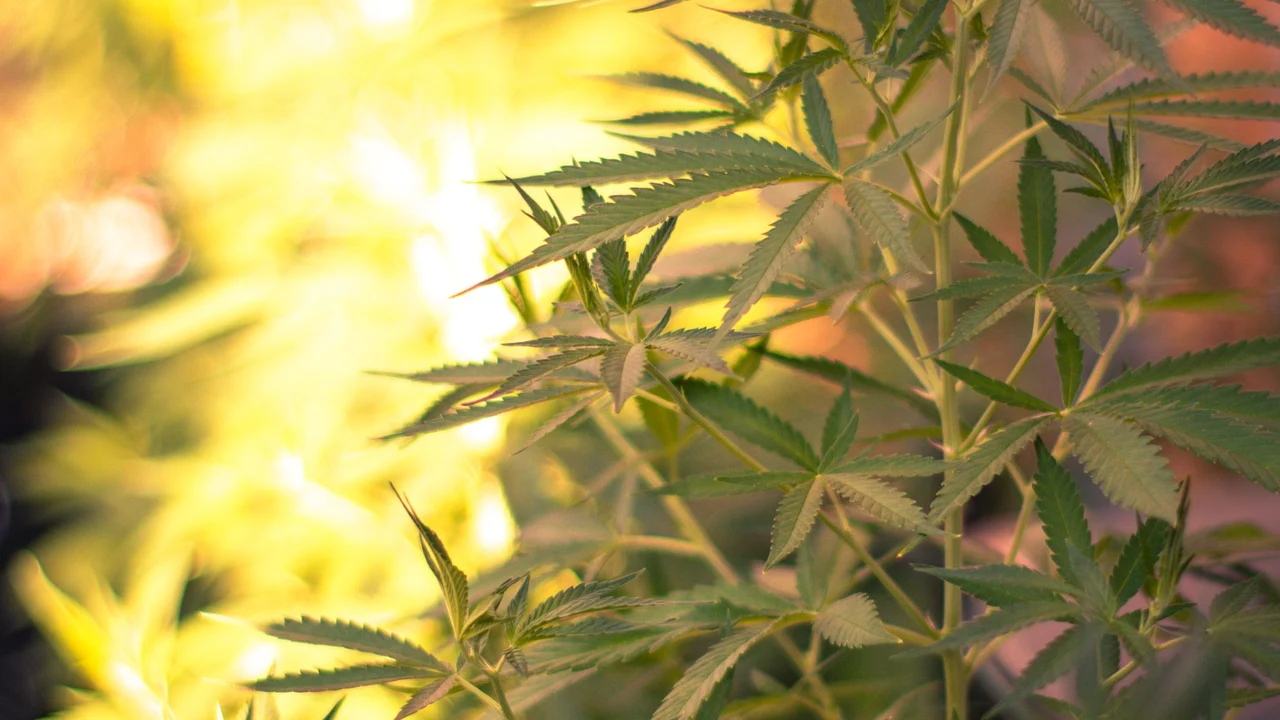
Cannabis is a versatile plant grown for its fibres and seeds as well as its cannabinoids. People have used it for thousands of years to make textiles, rope, food and medicines. Today, however, cannabis is often associated primarily with its intoxicating effects and the laws governing its use.
Understanding of cannabis has changed considerably in recent years. Research has improved our knowledge of its active compounds, standardised cannabinoid medicines are used in healthcare, and several countries have chosen to move away from strict prohibition, at least in part.
There is much to consider. What is the difference between THC and CBD? How does cannabis affect the body? What are its actual uses and health risks? Why is it legal in some countries while remaining largely prohibited in Estonia?
Here is a closer look.
What is cannabis?
Cannabis is a plant in the Cannabaceae family, known scientifically as Cannabis. Different varieties are grown for agriculture and for products containing cannabinoids. The plant contains hundreds of chemical compounds, of which cannabinoids and terpenes are among the best known.
Cannabinoids can affect the body through mechanisms including the endocannabinoid system, which helps regulate physiological processes such as appetite, pain perception and mood. Terpenes are aromatic compounds that contribute to the plant’s smell. One variety may smell citrusy, another pine-like, sweet or earthy.
Several terms appear in discussions of cannabis. Marijuana usually refers to dried cannabis flowers, particularly those containing substantial amounts of THC. Hashish is a concentrated product made from the plant’s resin glands. Industrial hemp, by contrast, refers to compliant varieties grown mainly for fibre, seeds and other agricultural products.
Cannabis products therefore differ in their composition, intended use and legal status.
THC and CBD: the two best-known cannabinoids
Understanding cannabis effects begins with its two best-known cannabinoids: THC and CBD.
What is THC?
THC, or tetrahydrocannabinol, is the main compound responsible for cannabis intoxication.
THC affects cannabinoid receptors in the brain and can change mood, the sense of time, attention and perception of the surroundings.
Commonly reported effects include relaxation, euphoria, increased appetite and more intense sensory experiences. Music may feel more engaging, time may seem to pass differently and humour may feel more powerful.
THC’s effects are not always pleasant. Some people experience anxiety, an increased heart rate, discomfort or difficulty concentrating. Product potency also matters: high-THC cannabis can produce substantially more intense effects than a lower-THC product.
Alongside THC, its precursor THCA and the differently acting cannabinoid THCV are attracting increasing attention. We explain the differences between THC, THCA and THCV in a separate article.
What is CBD?
CBD, or cannabidiol, is another well-known cannabinoid found in the plant.
Unlike THC, CBD does not usually produce the characteristic cannabis high.
For more about cannabinoid differences, see ‘CBD, CBG and CBN Explained’. CBD has attracted considerable attention from both scientists and the consumer products market. Research includes epilepsy, anxiety, inflammatory processes and other health conditions.
The strength of evidence varies across these possible uses. One of the clearest examples of CBD’s medical use is a standardised prescription medicine for certain rare forms of epilepsy.
An ordinary CBD oil or consumer product is not automatically comparable with that medicine. CBD can also interact with medicines and cause adverse effects. Besides THC and CBD, cannabis contains many other cannabinoids, including CBG, CBN, THCA and THCV. Research is expanding, but human studies remain limited for several compounds.
Our separate overview explains the differences between CBD, CBG and CBN in more detail.
How does cannabis affect people?
Cannabis does not affect everyone in the same way. Effects depend on factors including chemical composition, THC content, method of use, amount, previous experience and surroundings. One person may feel pleasantly relaxed and calm, another more talkative or creative, while someone else feels uncomfortable. Experiences cannot be predicted completely.
Why does cannabis sometimes feel relaxing?
THC affects signalling in the nervous system and can temporarily change how people perceive their emotions, thoughts and surroundings. For some, this means feeling calmer and more removed from everyday pressures.
For others, THC can increase anxiety. Cannabis should therefore not be treated as a universal aid to relaxation.
Does cannabis make people more creative?
Cannabis has been associated with music, art and creative expression for decades. Many people say ideas, sounds or visual experiences feel more interesting under THC. This is subjective, however. Research does not consistently show that cannabis improves actual creative ability. Changing the way someone thinks or perceives does not automatically improve their output.
Do indica and sativa predict cannabis effects?
Descriptions of cannabis varieties often use the terms indica and sativa. Popular accounts associate indica with relaxation and sativa with more energetic effects. In practice, these names alone do not reliably predict a product’s effects. Cannabinoid levels, the actual composition and an individual’s response matter much more.
What is cannabis used for?
Cannabis has many uses beyond intoxication. People have used the plant for centuries in agriculture, crafts, food production and other fields.
Industrial hemp and agriculture
Hemp fibre is strong and durable and can be used for textiles, rope, paper and composite materials. The plant also provides building materials, including mixtures made with hemp shiv.
Hemp seeds are used in food production. They contain protein and fatty acids and can be processed into oil and other foods. Industrial hemp also attracts interest as an alternative raw material. Its potential environmental benefits depend on cultivation, processing and the material it replaces.
Cannabis in medicine
Medical use of cannabis compounds is an active research field. Evidence supports particular cannabinoid medicines for certain forms of epilepsy and symptoms associated with some other conditions.
Researchers are also investigating cannabinoids for pain, sleep disorders and other health problems. Findings are promising in some areas, but limited or conflicting in others.
An important distinction is that medical preparations have controlled compositions and doses. This differs from using a cannabis product of unknown composition to treat an illness.
Cannabis in culture
Cannabis has a distinctive place in music, art and popular culture.
It is associated with reggae, hip-hop, alternative culture and various social movements.
One familiar symbol is 420, celebrated internationally on 20 April. Contemporary cannabis culture extends beyond music and consumption to design, business, technology, political debate and community activity.
How is cannabis consumed?
People use cannabis in several ways, which differ in onset and associated risks. One familiar method is smoking cannabis flower, which allows active compounds to reach the bloodstream quickly through the lungs.
A major disadvantage of smoking is inhaling compounds produced by burning plant material. Smoke can irritate the airways, and long-term exposure to combustion products is not safe. Vaporization is another method: plant material is heated without ordinary combustion.
Avoiding combustion may reduce exposure to several harmful compounds found in smoke. This does not make cannabis vaporization risk-free. Both the composition of the inhaled aerosol and THC’s effects on the body matter.
Our guide to choosing a vaporizer explains how devices work, how they differ and which technical features matter.
In some countries, cannabis products are also used in foods and drinks. Effects may begin more slowly and last longer than with inhalation. Delayed onset can increase the risk of unexpectedly strong intoxication.
There are also extracts, oils and medical preparations whose compositions and legal status can differ substantially.
Our beginner’s guide to cannabis accessories explains the purposes of different accessories.
Can cannabis harm health?
Alongside its possible uses, cannabis’s health effects need consideration.
Cannabis is not risk-free. Risks depend heavily on frequency of use, THC potency, age at first use and a person’s health.
A single occasion of use and daily use of high-potency cannabis are not equivalent in terms of health risk.
Memory and concentration
THC can temporarily impair attention, short-term memory, reaction times and coordination.
Being under its influence is therefore incompatible with driving and other activities requiring rapid responses.
Mental health
Cannabis can cause anxiety or panic in some people. Studies associate frequent use, particularly of high-THC products, with a higher risk of psychotic symptoms and psychotic disorders. This is especially relevant to people with an underlying vulnerability.
Relationships between cannabis and mental health are complex, and a simple cause-and-effect conclusion is not justified in every situation.
Young people and pregnancy
Frequent use beginning at a young age carries greater risks because brain development continues beyond adolescence. Health organisations also recommend avoiding cannabis during pregnancy and breastfeeding because of possible developmental risks.
Can cannabis cause dependence?
Yes. Although not everyone who uses cannabis becomes dependent, some people develop cannabis use disorder.
Risk increases with frequent use, high THC levels and starting young. Warning signs include difficulty limiting the amount or frequency, continuing despite negative consequences and irritability or sleep problems after stopping.
Regular use can also lead to THC tolerance. Our separate overview explains why effects weaken over time, what to expect during a break and when to seek support. The European Union Drugs Agency’s 2026 overview emphasises that people who use cannabis daily or almost daily face the greatest risk of health problems.
Recognising cannabis’s potential benefits and understanding its risks are compatible positions.
Is cannabis legal in Estonia?
As of 2026, recreational use of THC-containing cannabis has not been legalised in Estonia. Estonian law restricts the handling of narcotic and psychotropic substances, with exceptions for purposes specified by law, including medicine and research.
Unlawful handling of cannabis can result in misdemeanour or criminal liability, depending on the circumstances. Consumption, possession, cultivation, supply and sale must be distinguished because the law does not treat them identically.
Our article ‘Cannabis Legality in Estonia in 2026’ explains Estonian laws, possible penalties and the legal status of newer cannabinoids in more detail.
Is industrial hemp permitted?
Yes, compliant industrial hemp may be grown in Estonia for agricultural purposes. The State Agency of Medicines explains that the variety must appear in the EU’s approved variety catalogue and its THC content must not exceed the specified 0.3% threshold.
This does not mean that every hemp extract or product is automatically legal.
What about CBD?
CBD as an individual substance is not listed among Estonia’s narcotic and psychotropic substances. Whether a particular CBD product is permitted also depends on its composition, origin and intended use.
A cannabis extract, for example, may have a different legal status from isolated CBD. Foods and supplements containing CBD are also subject to EU novel food requirements. Marketing unauthorised CBD oils as food supplements is not permitted in Estonia.
A product’s legality cannot therefore be established simply from the words ‘CBD’ or ‘THC-free’ on its packaging.
Cannabis legalisation around the world
Cannabis policy has changed considerably in several countries over the past decade. Governments have sought alternatives to a situation in which cannabis is widely used while production and distribution remain largely in an illegal market.
Germany, Malta and Luxembourg, for example, have introduced reforms of different scope allowing adults to possess, grow or use cannabis under specified conditions. These models differ: some allow limited home growing, others regulated associations, while others test sales through controlled supply chains.
Why do people support cannabis legalisation?
A central argument is the possibility of moving at least part of the cannabis market away from organised crime. A regulated market can impose composition, quality control and labelling requirements that are generally absent from illegal supply.
Regulation can also restrict minors’ access to legal sales, establish rules for adults and provide more reliable information about potency and risks. Another important question concerns penalties.
Punishing cannabis use or possession of a small amount can have consequences extending beyond the substance’s own health risks. This raises the question of whether criminal law is always the most sensible response.
Potential benefits of legalisation do not arise automatically. Outcomes depend on market design, applicable rules, protection of minors and the ability to limit high-risk use.
Learning from other countries is therefore important for Estonia.
Cannabis and Estonian society
Cannabis has long ceased to be a marginal subject discussed only in crime reports in Estonia.
It concerns legislation, public health, agriculture, business, science and personal freedoms.
People who use cannabis also have very different backgrounds and experiences. The stereotype of a single type of cannabis user gives an inaccurate picture. Open, factual discussion makes it easier to distinguish actual problems from outdated assumptions.
Estonia’s future policy need not be shaped solely by past attitudes. The country can learn from international experience, assess research and discuss which approach would best serve both personal freedoms and public health.
Our map of Estonian cannabis-related shops brings together physical headshops and CBD shops, with locations and practical information.
Frequently asked questions
Are cannabis and marijuana the same thing?
Not exactly. Cannabis is the plant’s general name. Marijuana usually means dried cannabis flowers containing THC. The plant is also cultivated for industrial and agricultural purposes.
Does CBD get you high?
CBD does not usually produce THC’s characteristic intoxication. It can still affect the body and cause adverse effects in some people.
Is cannabis safer than alcohol?
Cannabis and alcohol have different health risks, and neither can be described as safer in every situation. Effects depend on factors including amount, frequency and a person’s health.
Is cannabis used in medicine?
Yes. Medicines containing certain cannabinoids are used for specific conditions and symptoms. This does not mean every cannabis product is a medicine or that all claimed therapeutic effects have sufficient evidence.
Can you grow cannabis at home in Estonia?
Growing cannabis to produce a narcotic substance is prohibited in Estonia. Separate rules apply to compliant industrial hemp.
Can cannabis cause dependence?
Yes. Risk is particularly higher with frequent use and high-THC products, although not all users develop dependence.
Will Estonia legalise cannabis?
This cannot currently be predicted with certainty. Several European countries have changed their policies, but recreational cannabis has not been legalised in Estonia. Future decisions depend on political and public debate.
Summary
Cannabis is a much more versatile plant than decades of controversy sometimes suggest.
It has an important agricultural history, a broad range of uses, a place in contemporary culture and a growing role in research.
For an example of early use, see our article about a 2,800-year-old cannabis discovery in Siberia.
At the same time, THC-containing products can carry health risks, especially with frequent use beginning at a young age. Treating cannabis solely as a drug overlooks much of the plant’s significance, while assuming all cannabis products are safe or therapeutic would be misleading.
The most useful approach is to consider cannabis as a whole: understand its effects, recognise its uses, assess its risks and openly discuss its future place in Estonian society.
Illustrative featured photo: Jordan Bergendahl / Pexels (Pexels License). Cropped to 16:9.