
CBD, CBG and CBN are cannabinoids appearing in oils, cosmetics, extracts and other cannabis-derived products. Similar names do not mean the same substance: their formation, effects and evidence bases differ.
Natural origin does not automatically authorise sale in food or supplements. Nor does a cannabinoid ingredient establish a therapeutic effect.
What is CBD?
Cannabidiol is a well-known cannabinoid that usually does not produce THC’s characteristic high. It is nevertheless biologically active and not automatically risk-free.
It affects several signalling pathways and has been investigated widely. A clearly established medical use is the authorised medicine Epidyolex for certain rare epilepsies.
Prescription evidence cannot automatically be applied to consumer oils, gummies or other products. CBD can cause adverse effects and medicine interactions, so calling it simply nontoxic or entirely safe is inaccurate.
What is CBG?
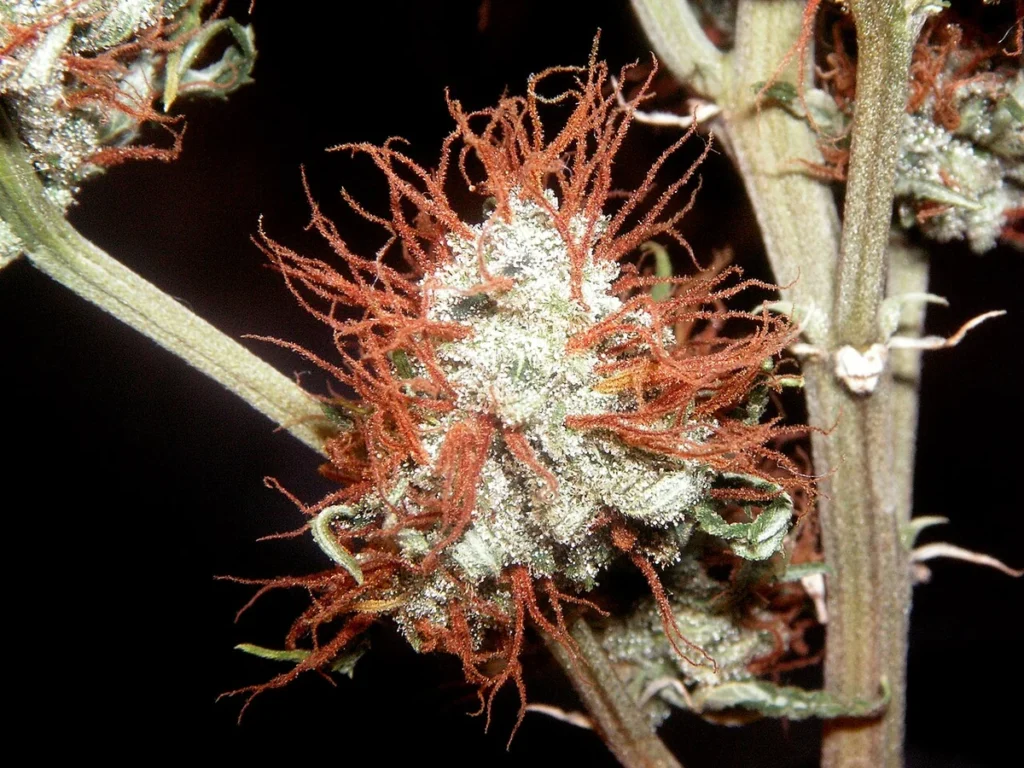
Cannabigerol is sometimes called the ‘mother of cannabinoids’, but the more accurate biosynthetic precursor is CBGA, cannabigerolic acid.
Plant enzymes can convert CBGA into THCA, CBDA and CBCA. Their acidic forms can then change into THC, CBD, CBC and related compounds through heating or ageing. Many varieties contain relatively little CBG itself.
Research is expanding, but high-quality human trials are fewer than for CBD. Claims of established treatment for particular conditions need caution.
What is CBN?
Cannabinol forms through processes including THC oxidation and degradation. Its proportion may rise after prolonged exposure to air, light or heat.
CBN is often marketed for sleep or relaxation despite limited evidence. It has different receptor interactions from CBD, but substantially less reliable human information than THC or CBD.
Marketing alone does not establish a sleeping-medicine-like effect.
How do they differ from THC?
All are cannabinoids, but pharmacology differs. Delta-9-THC is the plant’s best-known intoxicating compound.
CBD usually lacks that high. CBG and CBN remain less studied and should not be equated with either THC or CBD. See ‘CBD vs THC: What Is the Difference?’.
Similar names or chemical structures are insufficient for conclusions about effects.
Which products contain them?
Product forms vary considerably.
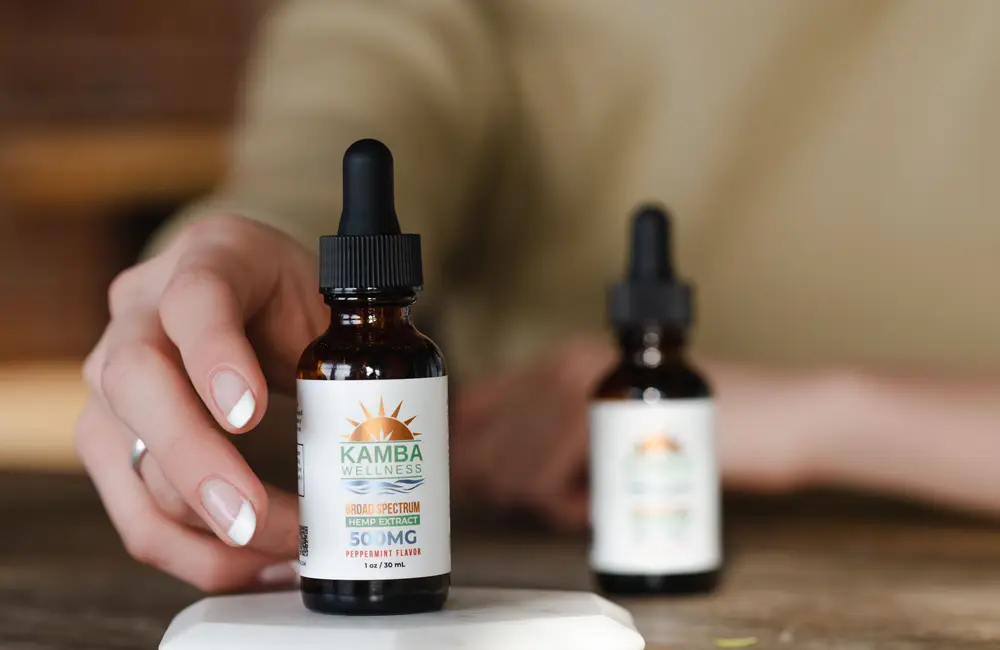
Examples include oils, capsules, cosmetics and extracts; other markets also sell gummies, drinks and vaping products.
Market availability does not establish legality. Requirements differ between foods, supplements, cosmetics, medicines and other categories.
This makes regulation confusing for consumers.
What does research show?
CBD has the most evidence of these three. Prescription efficacy in certain epilepsies does not establish ordinary retail products as treatments for pain, anxiety, sleep difficulties or other conditions.
Some CBD findings are interesting but depend on amount, preparation and condition. CBG claims often rely on laboratory, animal or early-stage research.
CBN human data are also limited, particularly for confident sleep or sedative claims. Marketing often moves ahead of evidence.
Is CBD a narcotic substance in Estonia?
CBD itself is not on Estonia’s narcotic and psychotropic substance list, unlike controlled THC. Product status still depends on origin and composition. The framework includes an exception for compliant EU-catalogue hemp varieties with THC not exceeding 0.3%.
Material extracted from controlled cannabis may be treated differently. A CBD label alone cannot establish compliance.
Why does 0.3% THC not authorise every product?
The slogan ‘under 0.3% is legal’ is oversimplified.
The threshold concerns an exception for specified hemp varieties, not automatic unrestricted sales of every flower, extract, supplement or finished product below it.
Food, medicine, cosmetic, tobacco and other requirements may apply alongside drug controls.
What about extraction?
The agency explains that handling compliant catalogue hemp can be permitted.
Extraction can produce THC-containing residues. The agency therefore treats CBD extraction as an activity permitted only for statutory purposes, such as authorised medical or scientific work.
For an individual or ordinary business, the starting plant’s THC percentage is not the only question.
What changed in 2026?
An important scheduling amendment took effect on 14 August 2026.
Schedule VI gained a group described as semisynthetic cannabinoids, or cannabinol derivatives.
Examples include forms of THCV, THCA and THC-O and other newer-market compounds.
This did not schedule CBD, which is expressly excluded. The agency’s group description also excludes cannabinol itself, or CBN.
Different cannabinoids cannot automatically be treated identically. Assess CBG and a particular product separately rather than applying THCA or THCV rules solely by name.
Foods and supplements
Novel food rules are a separate issue. Significant EU food consumption before 15 May 1997 has not been established for CBD or other isolated cannabinoids.
CBD and generally other isolated cannabinoids such as CBG and CBN are therefore treated as novel when intended for foods or supplements. Novel food status is not narcotic scheduling.
An authorisation process is required before lawful marketing for the relevant use. ‘CBD is not narcotic, therefore CBD sweets or supplements can be freely sold’ combines two separate regulatory questions incorrectly.
What did EFSA say in 2026?
In February 2026, EFSA set a provisional safe intake of 0.0275 mg per kilogram of body weight daily, approximately 2 mg for a 70 kg adult.
This is not a recommendation to take CBD or an automatic marketing authorisation.
It is a precautionary assessment amid evidence gaps, applying to specified supplement preparations containing at least 98% pure CBD under particular conditions.
Safety could not be established for under-25s, pregnant or breastfeeding people or medicine users. CBD should not be assumed a harmless wellness ingredient.
Can CBD be a medicine?
Yes. Epidyolex is authorised for certain severe epilepsies. Medicines have standardised composition and doses, quality controls and supporting clinical evidence.
A retail oil does not automatically share those properties. Health or treatment claims can also affect classification.
Do these cannabinoids treat pain, anxiety or insomnia?
Evidence does not establish every CBD product as a treatment. CBG and CBN have even less clinical evidence, and confident CBN sleep marketing exceeds current certainty.
Food or supplement products cannot simply be assigned disease-prevention or treatment properties.
What should a label show?
First identify the product category: cosmetic, prescription medicine, supplement and hemp seed oil are different.
Check precise composition. A large CBD, CBG or CBN label does not reveal every constituent. Laboratory results can help assess cannabinoid profiles and THC without establishing legality.
The selling business, contact details and actual contents should be clear. Be cautious about precise cure promises or blanket ‘legal throughout Europe’ claims.
European requirements are more complex than that.
Where can shops be found in Estonia?
Our map of Estonian shops lists physical CBD shops, headshops and smokeshops, including locations and practical details.
Summary
These are distinct compounds. CBD has the most research and regulatory information, lacks the usual THC high, but can cause adverse effects and interactions.
CBG is less studied, while its precursor CBGA helps form other cannabinoids. CBN can arise from THC degradation, with limited strong evidence behind sleep and relaxation claims.
CBD itself is not scheduled in Estonia. Both CBD and CBN are excluded from the group introduced in 2026.
That does not authorise every product. Composition, origin and category—food, supplement, cosmetic, medicine or another use—matter.
Novel food rules and other requirements still apply despite low THC.
This article provides general information rather than medical or legal advice. Evidence and regulation change; assess the particular product and current requirements.