
CBD and THC are two well-known cannabinoids with different effects, risks and legal treatment. THC produces the characteristic cannabis high and can affect memory, attention and coordination. CBD does not produce the usual THC-like high, but it can still cause side effects and interact with medicines.
The two compounds are sometimes confused because they can occur in the same cannabis product. Below, we explain their differences in terms of effects, health risks, medicines and Estonian law.
What is THC?
THC, or tetrahydrocannabinol, is the main intoxicating compound in cannabis. It acts on receptors including CB1 receptors in the brain and can alter the perception of time, mood and sensory experiences. THC can also impair reaction time, short-term memory and judgment. The strength of its effects depends on the dose, product, method of use and individual sensitivity.
THC’s effects are not pleasant for everyone: anxiety, panic, an increased heart rate and impaired coordination are possible. Frequent use raises the risk of a cannabis use disorder, and cannabis may be associated with more serious mental health problems in some people. Do not drive or undertake other safety-critical activities after using THC. The US Centers for Disease Control and Prevention (CDC) overview explains the driving risks.
What is CBD?
CBD, or cannabidiol, is another common cannabis compound. It does not usually cause the high associated with THC. However, CBD is not harmless: drowsiness, digestive problems and medicine interactions are possible. Liver injury has also been reported, including at medicinal doses. The US Food and Drug Administration (FDA) explains why CBD’s safety and interactions matter.
CBD has been studied in contexts including epilepsy, anxiety, pain and sleep, but research does not establish effectiveness for every condition. A prescription medicine containing purified CBD is approved for certain rare epilepsy syndromes; an ordinary retail CBD product is not equivalent to that medicine.
The main differences between CBD and THC
- Intoxication: THC can cause a high; CBD does not produce the usual THC-like high.
- Driving: THC impairs skills needed for driving; CBD may still cause drowsiness, depending on the product and dose.
- Risks: THC raises concerns including dependence and cognitive effects; with CBD, side effects, medicine interactions and the product’s actual composition are particularly relevant.
- Medical use: medicines based on some cannabinoids are used for particular indications, but neither compound is a universal treatment.
- Estonian law: cannabis containing THC has not been legalized for recreational use in Estonia; the legality of a CBD product depends on factors including its category and applicable requirements.
Does CBD reduce THC’s effects?
CBD and THC can modify each other’s effects in some circumstances, depending on the dose, ratio and method of use. It is inaccurate to claim that CBD neutralizes THC or eliminates intoxication. Taking CBD after THC does not automatically make someone fit to drive or remove other risks.
Are CBD and THC medicines?
Certain medicines containing or related to cannabinoids are approved for specific indications in some countries. In the United States, for example, Epidiolex contains purified CBD and is approved for certain epilepsy syndromes; synthetic THC-related medicines are used in some cases of chemotherapy-associated nausea. This does not mean that every CBD oil or cannabis flower is a proven, quality-controlled medicine. The US National Center for Complementary and Integrative Health summarizes the medical evidence for different cannabinoids.
For anxiety, pain, sleep or another health concern, the quality of the evidence and the specific product matter. Discussing use with a clinician is particularly important when taking prescription medicines or living with a chronic condition.
What do full-spectrum, broad-spectrum and isolate mean?
- Full-spectrum describes a product containing multiple cannabis compounds, potentially including THC.
- Broad-spectrum also refers to multiple compounds, but the manufacturer generally aims to remove THC. The label alone does not prove that THC is absent.
- CBD isolate means purified CBD, although a reliable, batch-specific laboratory report helps assess the actual composition.
A THC-free label does not guarantee a negative doping test. See our overview of CBD and doping tests.
What are the rules in Estonia?
CBD itself is not automatically classified as a narcotic substance in Estonia, but that does not make the marketing of every CBD oil, supplement, food or other product lawful. The product category, composition and intended use determine which requirements apply. The 0.3% THC threshold for industrial hemp is not a general permission to sell any product containing THC.
Recreational use of THC-containing cannabis has not been legalized in Estonia. We explain the applicable handling rules and penalties in our overview of Estonia’s cannabis laws. For other compounds, including CBG and CBN, read our cannabinoid guide.
Who should take particular care?
Cannabis should be avoided during pregnancy and breastfeeding; children and young people face concerns including brain development and accidental poisoning. If you take medicines or have liver, heart or mental health problems, discuss cannabinoid use with a healthcare professional. THC is incompatible with driving or operating dangerous machinery.
Key points
The basic distinction is that THC is the main intoxicating cannabinoid, while CBD does not cause the usual THC-like high. Both can cause side effects, and their effects depend on the product and dose. Under Estonian law, the status of a substance should be distinguished from the rules for marketing a product. Reliable information requires clear evidence and accurate descriptions.
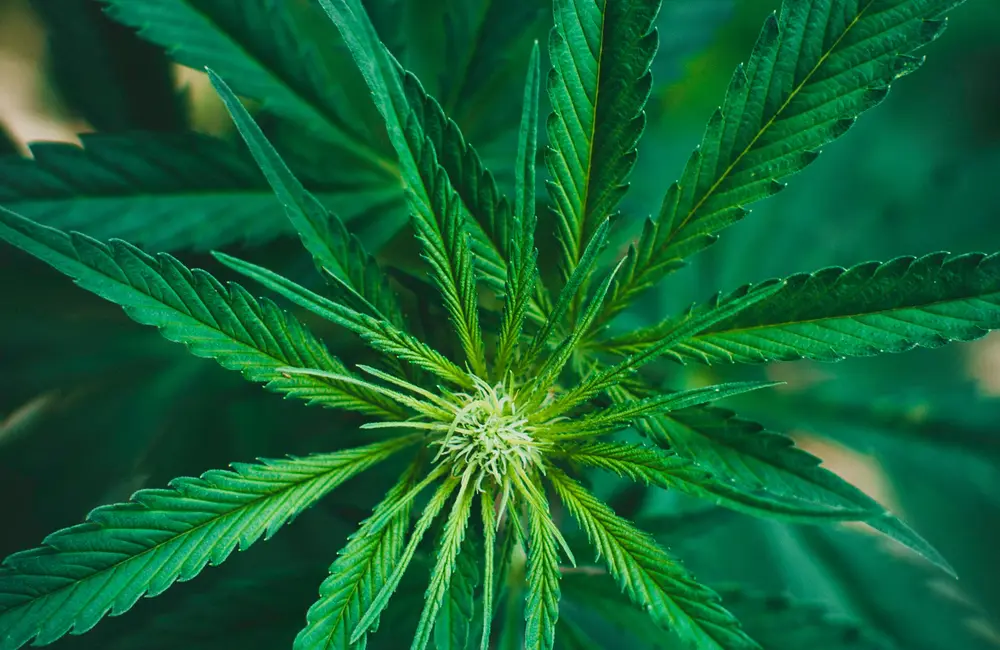
Illustrative featured photograph: Hazel Marie / Pexels (Pexels License).