
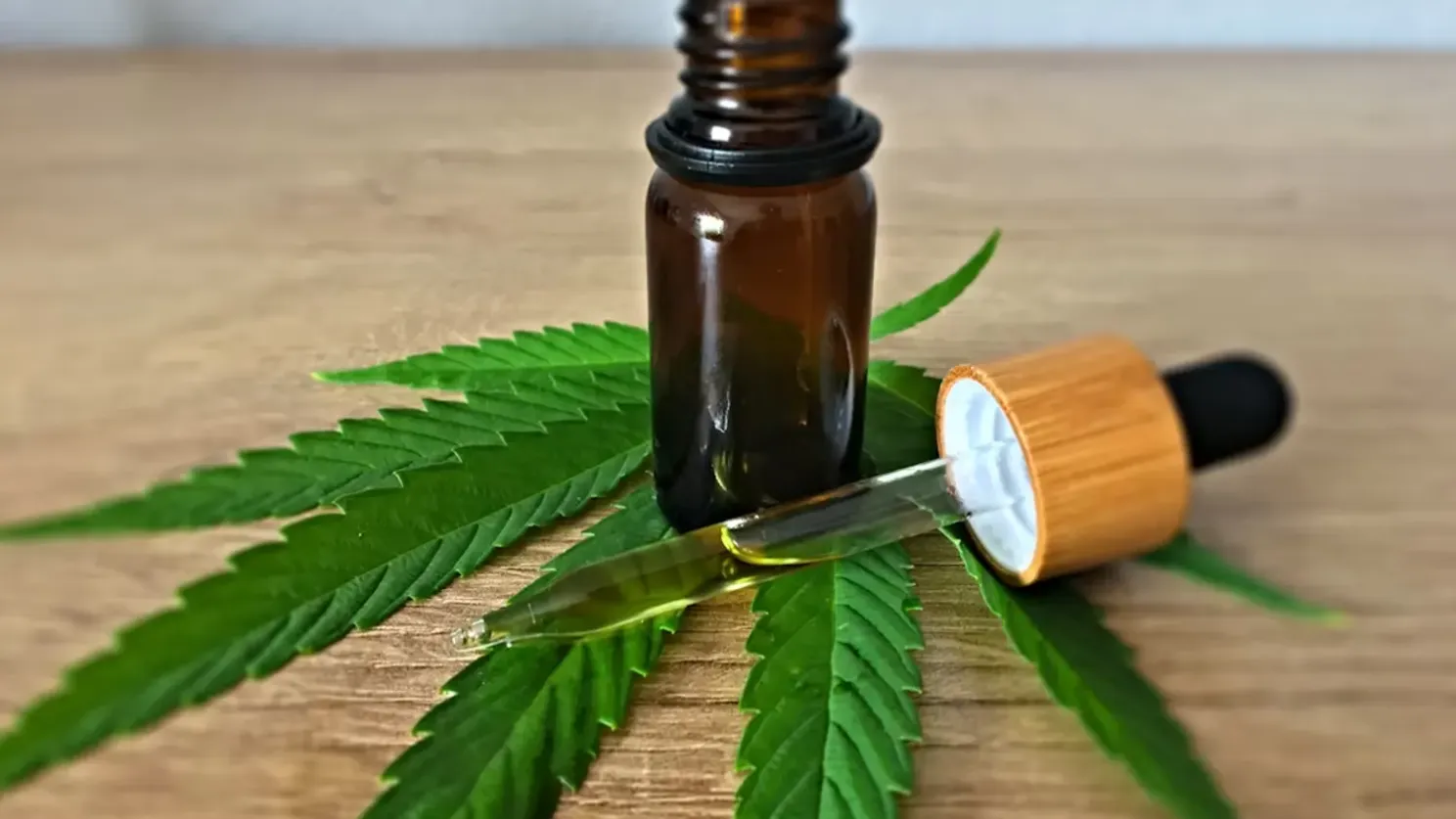
CBD itself is not a prohibited doping substance. Nevertheless, using a CBD product can lead to a positive anti-doping result or a positive result on an ordinary THC drug test. The crucial distinction is between pure cannabidiol and a product that also contains THC or other cannabinoids.
This article explains the 2026 WADA rules and why a product advertised as ‘THC-free’ cannot guarantee a negative test. WADA rules govern sport, while ordinary drug tests may use different detection criteria. Athletes remain responsible for prohibited substances found in their bodies, even when a product was misleadingly labelled.
What does WADA’s 2026 Prohibited List say?
Under section S8 of the World Anti-Doping Agency’s 2026 list, natural and synthetic cannabinoids are prohibited in competition. Cannabidiol, or CBD, is the exception. The prohibition includes THC; CBD’s exemption does not automatically extend to CBG, CBN or other cannabinoids. These rules apply regardless of whether a product is legal where it was purchased.
WADA’s official 2026 Prohibited List is the primary source for this distinction. The exact start of the in-competition period and any exceptions depend on the applicable anti-doping rules and the sport concerned.
Why can a CBD product still cause a positive test?
Cannabis contains several cannabinoids, and manufacturing does not necessarily remove all compounds other than CBD. A CBD product can therefore contain THC even if its label suggests otherwise. Inaccurate composition labels and differences between batches can add to the risk. The US Anti-Doping Agency’s 2026 Clean Sport Handbook urges caution even with third-party-tested CBD products.
- Full-spectrum products usually contain several cannabis compounds and may include THC.
- Broad-spectrum products are intended to contain several compounds without detectable THC, but this does not make them risk-free.
- CBD isolate is purified CBD. The risk may be lower, but a label alone cannot establish the quality of a particular batch.
A laboratory certificate can help assess a particular batch’s composition, but it provides no absolute guarantee. If an athlete’s career depends on doping control, the safest approach is to avoid unverified cannabinoid products and consult their sports federation or anti-doping organisation before use.
Does CBD turn into THC in the body?
Taking pure CBD does not mean the body normally produces THC from it in a way that would be the main explanation for a positive drug test. In practice, THC already present in the product, or another cannabinoid being tested for, is the greater concern. Results must be interpreted in relation to the substance, type of test and laboratory method involved.
Workplace drug testing is different from doping control
Routine urine drug tests generally look for metabolites associated with THC use rather than CBD. Sports doping control follows WADA rules, the relevant in-competition period and laboratory decision limits. A positive THC result alone does not establish that someone is impaired at the time of testing: some metabolites remain detectable after the noticeable effects have passed.
An unexpected positive workplace screening result should be interpreted using the laboratory’s confirmatory test and applicable requirements. A home test is not equivalent to a medical or legal assessment.
Does CBD improve athletic performance?
CBD’s exemption under anti-doping rules does not establish that it improves endurance, muscle recovery or sleep. Research remains limited. A 2024 systematic review found that convincing conclusions about sports performance and recovery after exercise were premature. Studies have been small, used different doses and measured different outcomes.
Adequate sleep, sensible training loads, nutrition and, when needed, professional healthcare advice remain more important recovery measures. See also 420Eesti’s overview of cannabis and sport.
What should athletes remember?
- CBD is an exception under WADA’s 2026 list and is not itself prohibited.
- THC and other cannabinoids are generally prohibited in competition under the 2026 rules.
- CBD products can contain prohibited compounds even when sold as ‘THC-free’.
- Workplace THC tests and sports doping control have different purposes and rules.
- Current evidence does not establish an athletic advantage from using CBD.
If the terminology is confusing, read our comparison of CBD and THC. Our cannabinoid guide explains other compounds, including CBG and CBN.
This article provides general information, not individual medical or anti-doping advice. The official documents for the relevant competition and sport govern how the rules are interpreted.