
Massachusetts held a significant referendum on 3 November 2026: voters were asked whether to end the legal adult-use cannabis retail market approved a decade earlier. Preliminary results showed opponents clearly outnumbering supporters, with around 75.6% voting against the proposal and 24.4% in favour. Licensed cannabis shops will therefore continue operating in the state.
The result has wider significance. Had the proposal passed, Massachusetts would have become one of the first US states to reverse an established legal adult-use cannabis market through a referendum. Instead, voters gave clear backing to the existing regulated sales model.
What was on the ballot?
Question 8 sought to repeal laws regulating and taxing adult-use recreational cannabis retail sales. It would not automatically have made all cannabis possession a criminal offence. However, existing licensed retailers would have had to stop adult-use sales, while personal possession and home-growing rules would have become stricter.
Under the proposal, adults aged at least 21 could have possessed up to one ounce, around 28 grams, including up to five grams of concentrate, without penalty. Possession of between one and two ounces would have brought a $100 civil fine and confiscation. Existing cannabis retailers could have applied through a simplified process for medical cannabis sales licences. The medical programme would have remained.
Had it been approved, the change would have taken effect on 1 January 2028. Voters rejected it, so the existing framework remains in force.
A narrow legalisation victory in 2016 became a decisive rejection of repeal
Massachusetts voters approved adult-use cannabis legalisation in 2016 by a relatively narrow margin. Ten years later, the position was much clearer: fewer than a quarter supported repealing the existing retail system.
Unofficial figures published as of 9 November recorded around 1.96 million votes against the proposal and approximately 634,000 in favour: 75.6% “no” and 24.4% “yes”. The figures may change slightly after certification, but not enough to alter the outcome.
Why did supporters want to end legal sales?
Repeal supporters raised public health and safety concerns. They argued that easier access increases the risks of youth exposure, accidental consumption, impaired driving and some mental health problems, and that restrictions on the regulated retail market were insufficient.
Opponents argued that ending licensed sales would not necessarily remove demand for cannabis. In their view, some buyers would return to an uncontrolled market with less oversight of ingredients, age restrictions and taxes. They also highlighted potential losses of jobs and state and local tax revenue.
Both sides therefore discussed consumer protection and health risks, but offered very different responses. The referendum shows that Massachusetts voters preferred to retain the current legal retail system.
What does the outcome mean for US and European cannabis policy?
The Massachusetts vote is notable because it concerned reversing an existing reform, rather than introducing a new legalisation model. Voters could judge a system they had watched operate in their own state for years.
Cannabis laws differ between US states, so the result cannot automatically be extended to the whole country. Nor does an election result prove that cannabis is risk-free. It does show that a large majority of voters in this state preferred retaining a regulated market to abolishing it.
In Europe, including Estonia, the same debate continues: should cannabis use be addressed mainly through prohibition, or through clear rules and controlled sales? Massachusetts provides one concrete democratic example for that discussion.
Further reading
Cannabis Laws in Estonia: Rules for 2026, and Germany’s Cannabis Reform: What the Law Allows in 2026.
Sources
Massachusetts Secretary of the Commonwealth official voter guide: Question 8; The Full Record: unofficial voting results as of 9 November; CBS Boston: referendum results; The Boston Globe: background and arguments from both sides.
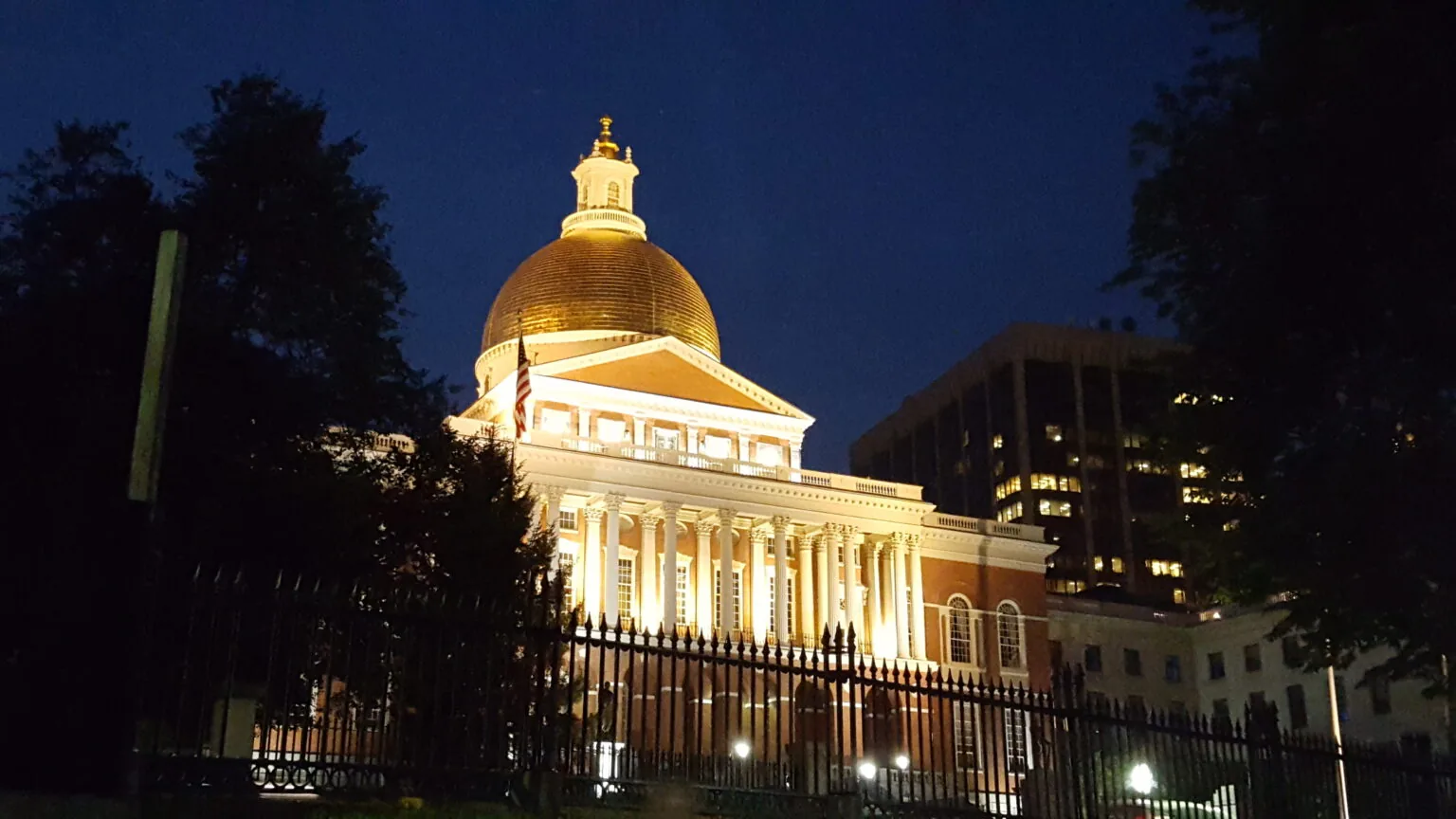
Featured image: Massachusetts State House in Boston, 2015. Photo: Upstateherd / Wikimedia Commons, CC BY-SA 4.0. Resized and converted to WebP; this is an archive photograph.