
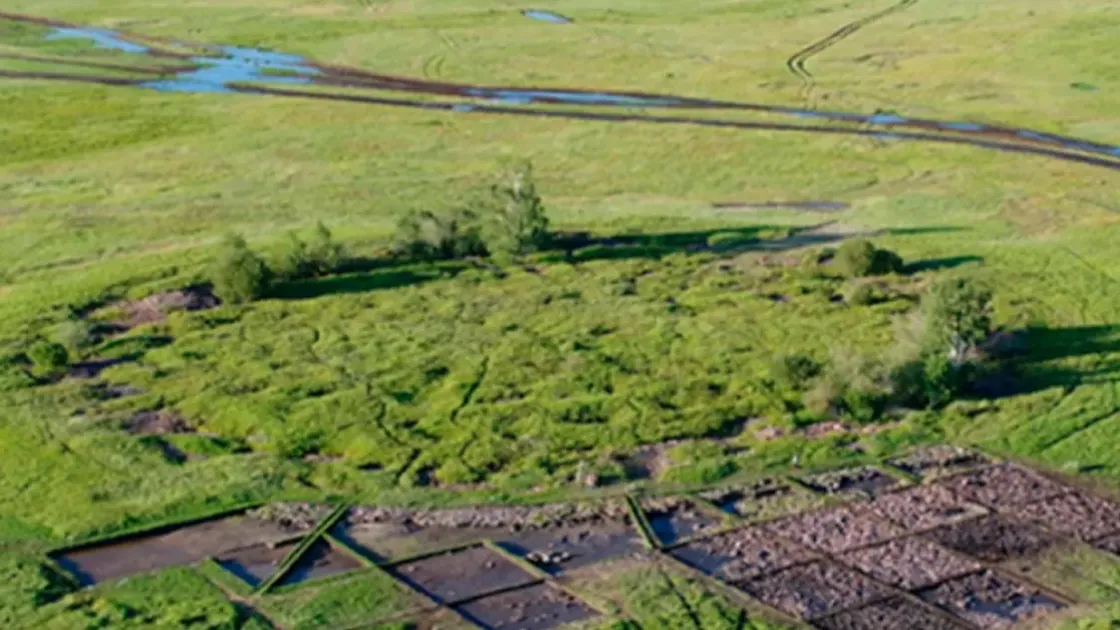
Researchers discovered cannabis seeds at a 2,800-year-old burial site in southern Siberia, alongside molecular traces in human hair that suggest cannabis was used for its intoxicating effects. The authors of the study, published in Science on 5 November 2026, describe it as the oldest directly dated evidence of psychoactive cannabis use identified so far. The discovery helps refine the timeline of historical cannabis use.
What is Tunnug 1?
The study concerns an ancient burial mound known as Tunnug 1, in what is now Russia’s Republic of Tuva. The site is associated with early Scythian culture: horse-riding peoples of the Eurasian steppes whose burial rituals were often elaborate and richly furnished. Archaeologist Gino Caspari of the University of Bern and the Max Planck Institute of Geoanthropology led the research team.
Around a thousand cannabis seeds were recovered from the burial complex. Radiocarbon dating of six seeds placed the finds in the early eighth century BCE. Seeds alone do not prove intoxicating use, however: cannabis could also have been grown for oil, fibre or other practical purposes.
The crucial evidence was in human hair
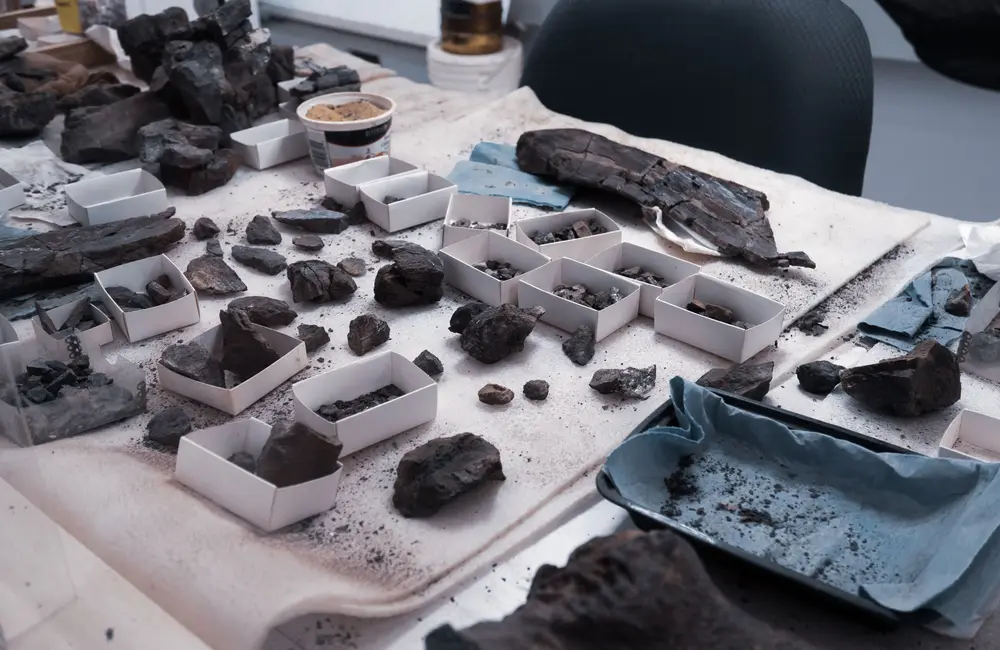
The researchers analysed preserved human hair from the central burial area using several chemical methods. Some samples produced strong signals consistent with cannabinol, or CBN, which can form as THC oxidises. Weaker molecular signals matching THC by mass were also detected. Studying plant remains alongside human biological material made the discovery more compelling than seeds alone.
In the authors’ interpretation, cannabis may have been part of intoxicating rituals, rather than merely a burial decoration or useful plant. The combination of finds points towards use, but the limits of the evidence also matter.
Was cannabis smoked 2,800 years ago?
The new study cannot establish that with certainty. Compounds found in hair do not reveal how much cannabis was used, or whether the active substances entered the body through inhalation or ingestion. Nor can the seeds establish the plants’ THC content or prove that a variety had been deliberately bred for stronger effects.
Some later Central Asian discoveries have revealed residues on heated stones and in vessels that point more directly to inhalation. The claim at Tunnug 1 is more cautious: plant material was found together with chemical traces suggesting that cannabinoids had reached the human body.
Why does the discovery matter?
The use of cannabis fibre and seeds has a very long history, but direct evidence of deliberate use for intoxication is much harder to find. General references in historical texts and seeds at archaeological sites are not always enough. This discovery brings together dated plant remains and chemical evidence from human hair.
That does not mean people first learned to use cannabis exactly 2,800 years ago. It is direct evidence found so far; the practice may have begun much earlier. Researchers are also continuing DNA analysis of the plant samples to better understand the spread and domestication of cannabis.
What does it tell us about cannabis culture today?
The find illustrates the many different relationships humans have had with cannabis. Throughout history, the same plant has served as a raw material, food, ritual symbol and intoxicant. Historical evidence does not automatically simplify today’s health or legal debates, but it shows that cannabis use is neither new nor confined to a single culture.
Also read: What is cannabis and how does it affect people?, and the development of cannabis culture in Estonia (in Estonian).
Sources
University of Bern press release, 5 November 2026; Gino Caspari and colleagues, Direct evidence for psychoactive cannabis use 2,800 years ago, Science, 2026.
Featured image: Gino Caspari, Timur Sadykov, Jegor Blochin, Manuel Buess, Matthias Nieberle and Timo Balz / Wikimedia Commons, CC BY-SA 4.0. The image shows the Tunnug 1 burial mound, rather than the chemically analysed seeds.