
THC, THCA and THCV are related but distinct cannabinoids. Their chemistry, effects and legal treatment are not identical.
THC is cannabis’s best-known intoxicating cannabinoid. THCA is its naturally occurring precursor, which converts to THC when heated. THCV is a separate cannabinoid with substantially different effects and pharmacology.
All three can occur naturally in the plant, adding to the confusion, but their effects and legal treatment differ.
What is THC?
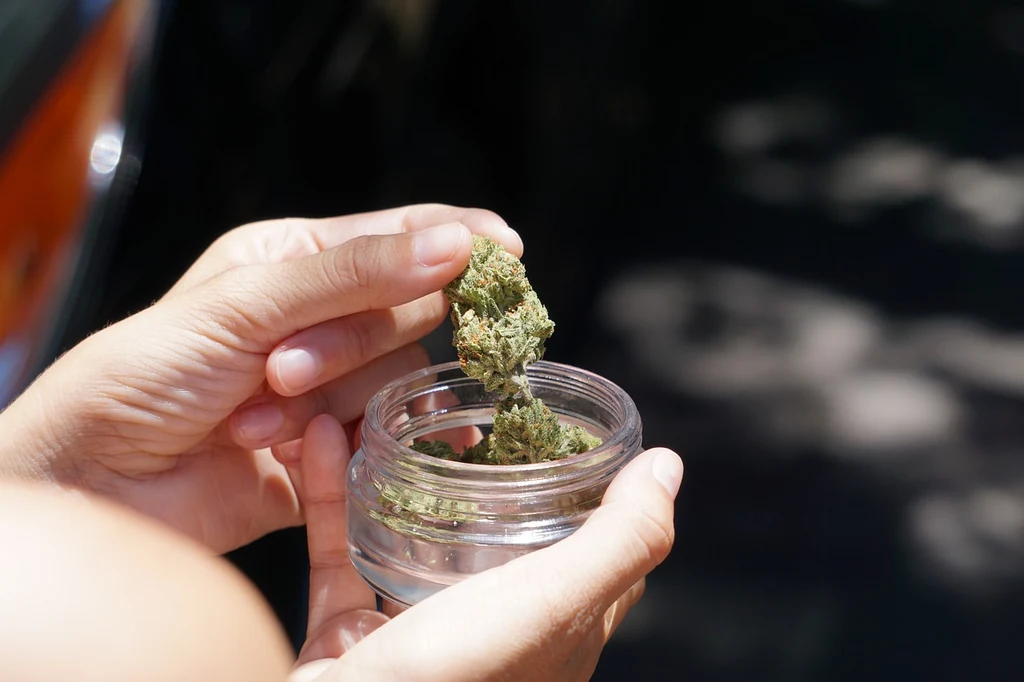
THC, or tetrahydrocannabinol, is the main cannabinoid responsible for cannabis intoxication. Usually, the term refers specifically to delta-9-THC.
Its effects are associated mainly with CB1 receptors in the endocannabinoid system. These interactions produce characteristic effects such as altered perception, euphoria and relaxation, and, for some people, anxiety or discomfort. EUDA describes delta-9-THC as cannabis’s main psychoactive constituent.
The plant does not initially produce all of its THC in this form. Much of it exists as THCA in fresh plant material.
What is THCA?
THCA, or tetrahydrocannabinolic acid, is the acidic precursor of THC.
THCA can account for much of what is later described as total potential THC. By itself, it does not produce intoxication comparable with THC.
Heating brings an important change.
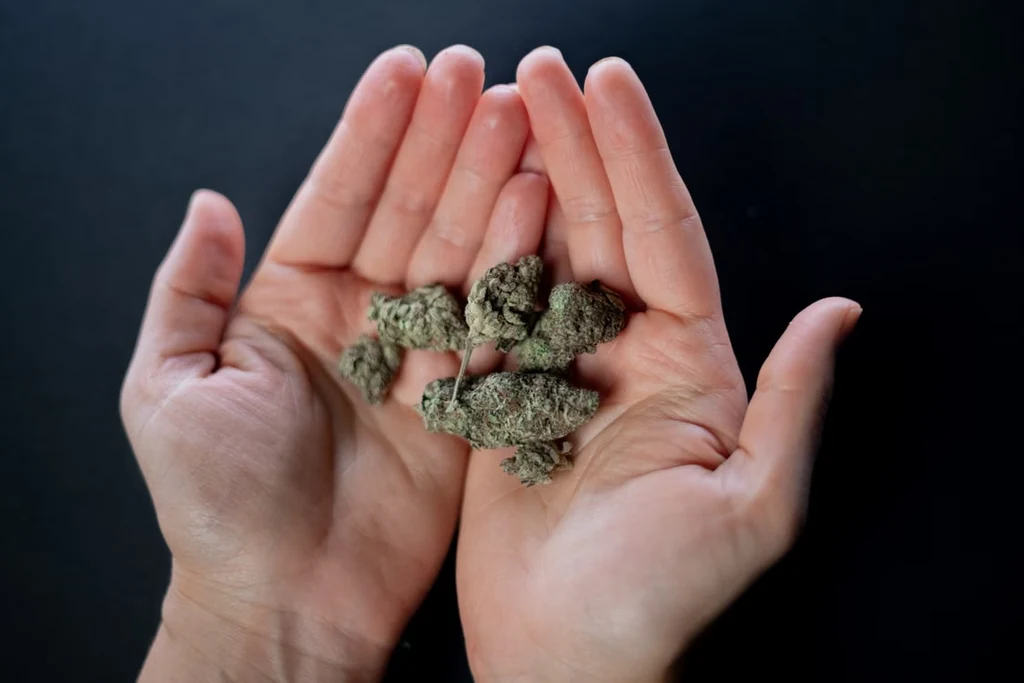
Smoking, vaporizing or heating cannabis during food preparation causes decarboxylation, converting some THCA to THC. The potential effects of THCA-rich cannabis therefore cannot be assessed from its existing delta-9-THC level alone.
Our article ‘What Is THCA, and Is It Legal in Estonia and Europe?’ explores this further.
What is THCV?
THCV, or tetrahydrocannabivarin, is another naturally occurring phytocannabinoid. It is not simply another version of THC.
It has a similar chemical structure but a different side chain, which affects its interactions with cannabinoid receptors.
THCV’s effects depend partly on dose. Studies have described CB1-blocking or modulating effects and CB2-related activity. Human research is still limited compared with THC.
Online, THCV has acquired the nickname ‘diet weed’ because animal experiments and some small human studies have examined possible effects on appetite and metabolism.
This is not proof that it is an effective weight-loss medicine. Some studies have found interesting results in areas such as blood glucose regulation, but clinical evidence is limited and larger trials are needed. See ‘What Is THCV? Effects and Legality in Estonia‘ for more.
The main differences between THC, THCA and THCV
A simple comparison is:
| Substance | What is it? | Intoxicating effects |
|---|---|---|
| THC | Cannabis’s main psychoactive cannabinoid | Yes |
| THCA | The acidic precursor of THC | Generally not on its own, but converts to THC when heated |
| THCV | A distinct phytocannabinoid | Effects differ from THC and depend on dose; less studied in humans |
THCA’s ability to convert into THC is central to understanding it. With THCV, the key point is that it is a separate cannabinoid.
Are THCA and THCV legal in Estonia?
An important change occurred in 2026.
On 14 August 2026, Estonia amended its schedules of narcotic and psychotropic substances, adding a group of semisynthetic cannabinoids, described as cannabinol derivatives, to Schedule VI. The State Agency of Medicines’ non-exhaustive examples include delta-8-THCV, delta-9-THCV, THCVO, THCA-A and THCA-B.
The claim ‘it is not delta-9-THC’ therefore no longer establishes a THCA or THCV product’s legality in Estonia.
The schedule is not limited to individually listed trade names. Schedule VI covers chemically defined groups, and the agency explains that production, marketing, distribution and use of substances within them are permitted only under statutory exceptions.
Our article ‘Estonia Tightened Controls on Previously “Legal” Cannabinoids: THCV, THCA, THC-O and Others‘ explains the change in more detail.
Why is THCA so confusing?
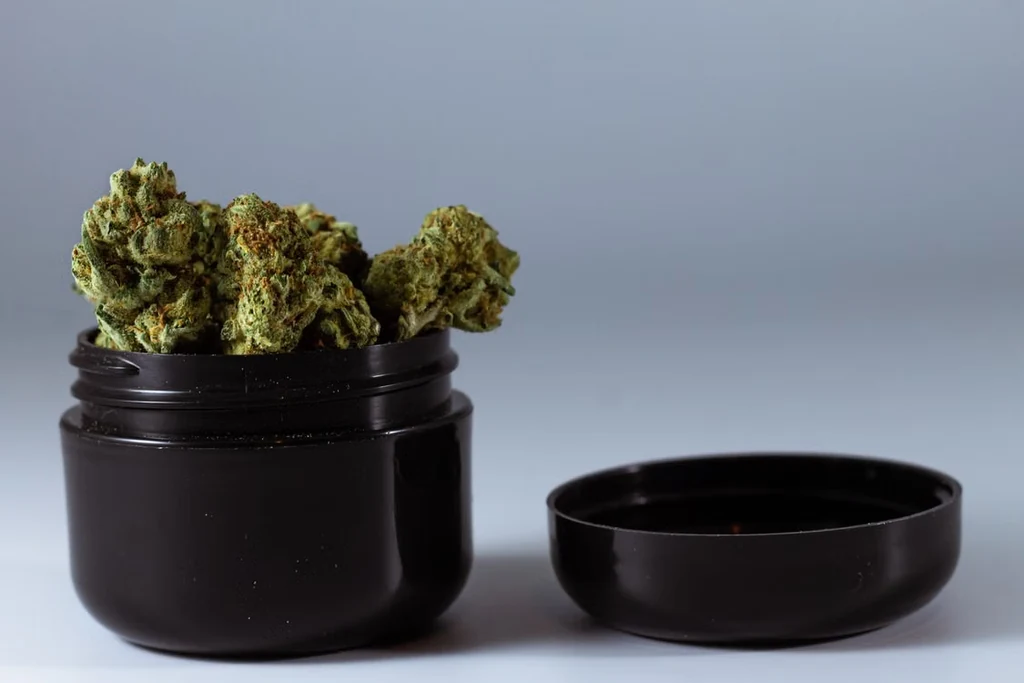
Much of its popularity originated in the US market.
In some jurisdictions, so-called THCA flower has been sold with low delta-9-THC at the point of sale despite substantial THCA content. Heating converts some of that THCA to THC.
When heated, the product can therefore behave chemically much like conventional high-THC cannabis. US marketing and legal interpretations cannot automatically be applied in Europe. EUDA also stresses that member states regulate cannabis-derived products differently: low THC does not make every product freely marketable.
Why does THCV behave differently from THC?
Their names differ by only one letter, but structural differences affect receptor interactions. THC activates CB1 receptors, accounting for much of its intoxicating effect.
THCV has more complex pharmacology. CB1 antagonism has been described at lower concentrations, while higher doses may have different effects. Human studies remain small, so its effects cannot be described with the same confidence as THC’s.
Claims such as ‘THC without the high’ or ‘cannabis for weight loss’ therefore need caution. The science is more complex.
Summary
THC, THCA and THCV belong to the cannabinoid family but should not be confused. THC is cannabis’s familiar psychoactive constituent.
THCA is THC’s natural precursor and can convert to THC when heated. THCV is a separate cannabinoid with different pharmacology and possible effects, and relatively limited human research.
Legal status must also be considered separately from chemistry. Since August 2026, THCA and THCV have appeared among the agency’s examples of Schedule VI cannabinol derivatives in Estonia.
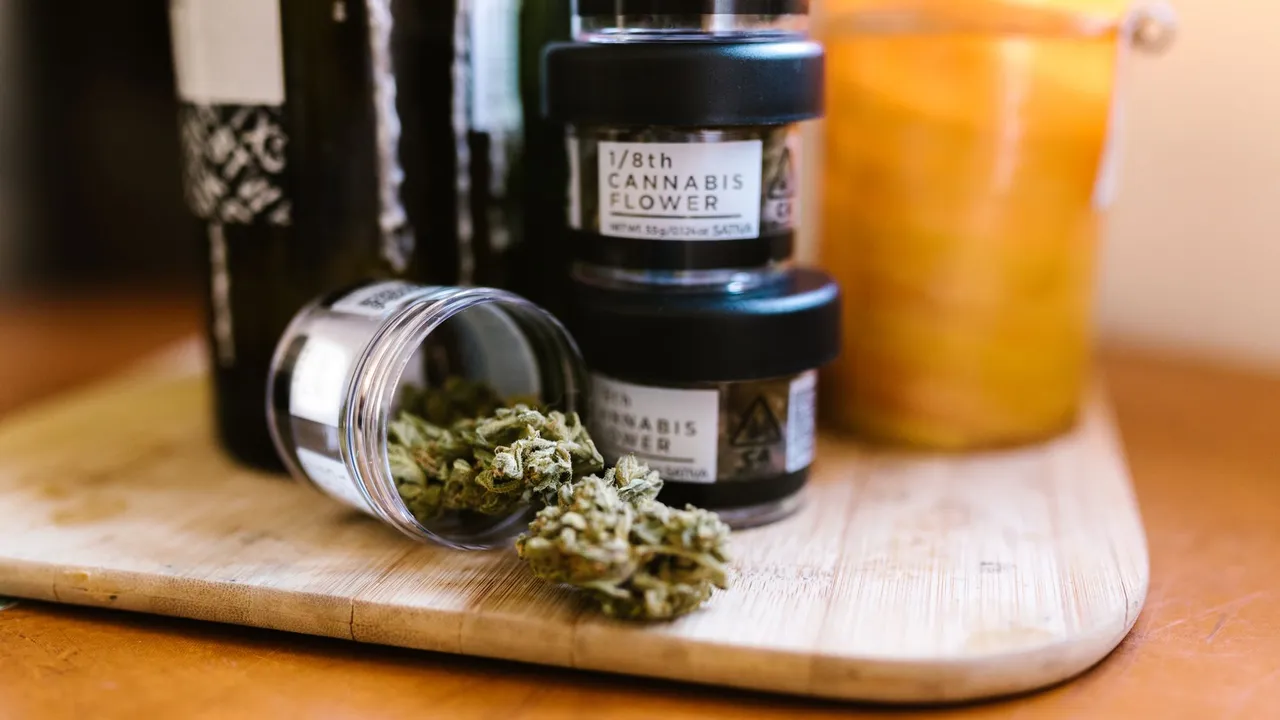
Illustrative featured photo: RDNE Stock project / Pexels (Pexels License). Cropped to 16:9.