
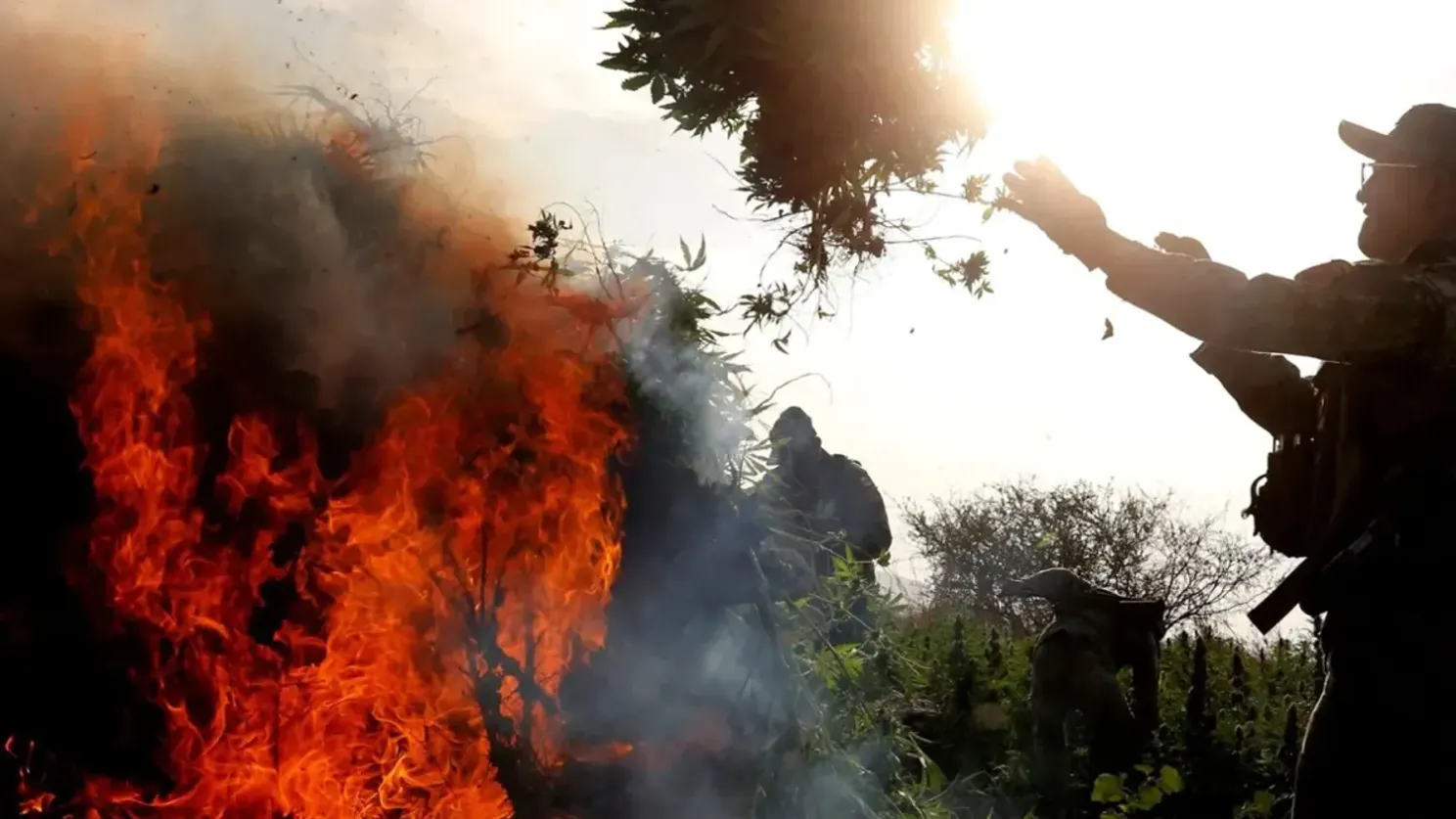
More than 20 tonnes of confiscated cannabis were burned in the Lice district of southeastern Turkey on 18 April 2025. Days later, local media reported residents’ complaints about strong smells and smoke. Online versions claimed an entire town had become “high”, but that headline goes beyond the verifiable evidence.
What is known about the destruction?
According to DHA news agency’s on-site report of 18 April 2025, 20 tonnes and 766 kilograms of cannabis were destroyed at the Lice gendarmerie’s disposal site. The substances had been seized in investigations over the previous two years.
The event was reported as official anti-drug activity, with local authorities presenting it as the result of seizures. The destruction took place in April 2025.
Residents complained about smoke and odour
İlke TV’s report of 22 April relayed complaints that the smell reached homes and residents could not open their windows. It also quoted a resident describing children feeling unwell and asking for such disposal operations to take place farther from residential areas.
These are residents’ accounts reported by journalists. They do not clinically establish that everyone in the area experienced THC intoxication or that cannabis caused every reported symptom. The area’s population is also not the same as a confirmed number of affected people.
Why is “the whole town got high” inaccurate?
Cannabis destruction, smoke dispersal, odour nuisance and medically established intoxication are separate claims. There is event coverage for the first; the others require distinguishing residents’ complaints from measured results. The cited sources provide no data establishing intoxication across an entire town.
The story raises questions about how seized substances are destroyed and how nearby residents are considered. Discussing those issues does not require presenting unverified claims of hallucinations or mass intoxication as fact. Our cannabis overview explains the background to cannabis effects.
Corrected on 15 November 2026: the event year was clarified, sources were added and an unsupported claim of town-wide intoxication was replaced with a more precise account of residents’ complaints.