
Updated on 6 November 2026. This article discusses Liisa-Ly Pakosta’s position in 2024. Her statements at the time are distinguished from later research findings.
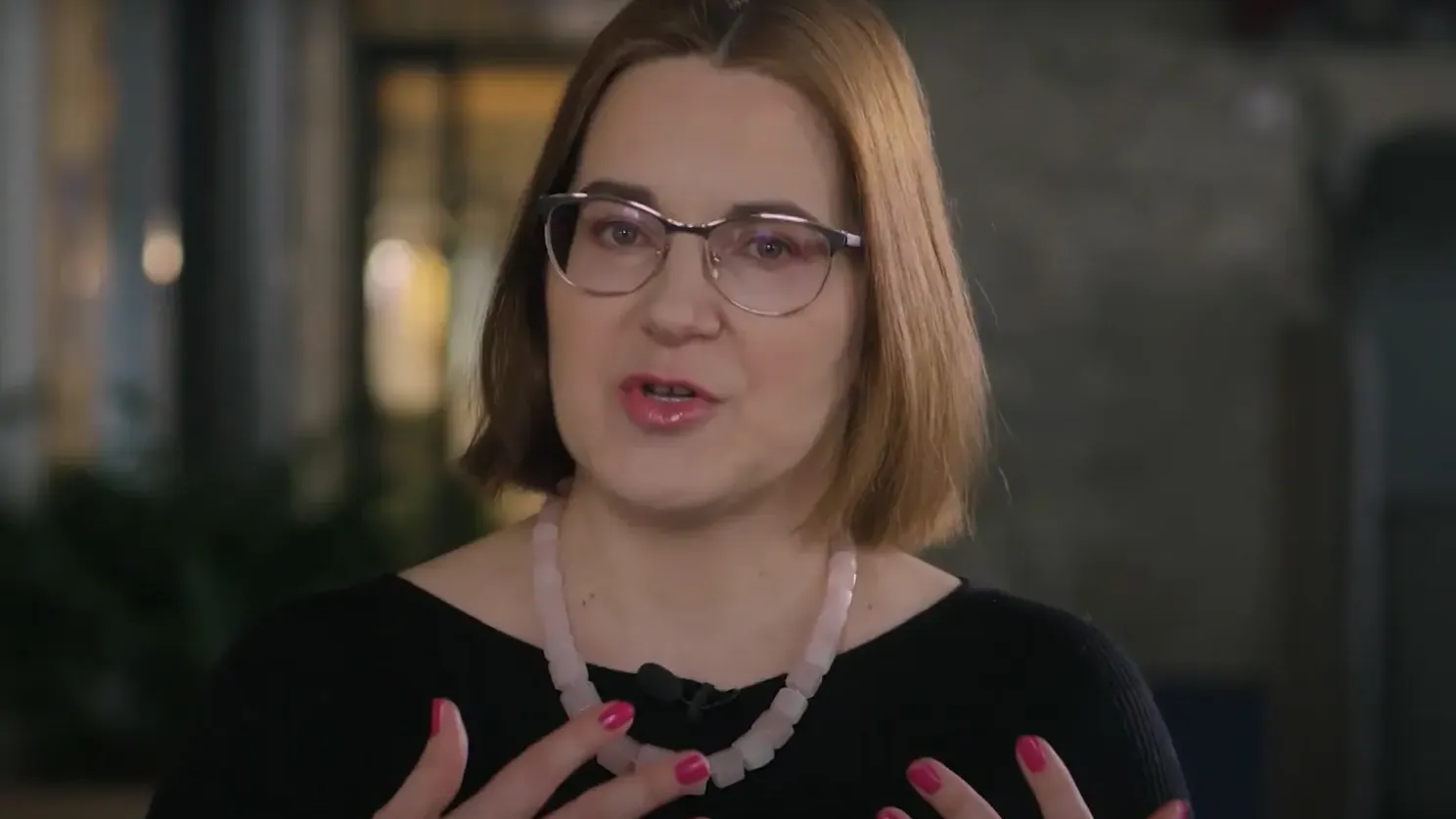
In July 2024, Eesti 200 politician Liisa-Ly Pakosta told TV3 that her party did not support cannabis legalization. At the same time, she argued that Estonia should review its drug policy in response to changing circumstances, pay more attention to synthetic drugs and discuss allowing people to have substances checked anonymously. These positions illustrate an important distinction: reform can include harm reduction without cannabis legalization.
What did Pakosta say in 2024?
On 7 July 2024, TV3 published an overview of parties’ positions on drug policy. Pakosta was then a member of the Riigikogu’s Legal Affairs Committee. She stressed that decisions should be based on science and that policy should aim to protect people’s health.
Pakosta warned about new synthetic cannabinoids and opioids, explaining that people using illegal mixtures might not know their precise active-ingredient content. She proposed discussing anonymous drug checking and reviewing penalties for supplying drugs.
She opposed cannabis legalization, citing concerns including young people’s health, dependence and the illegal market. These were a politician’s positions and claims, rather than evidence that every stated outcome had occurred in every country that had legalized cannabis.
What do the data say about legalization?
One country’s experience cannot establish that legalization automatically increases or reduces youth cannabis use everywhere. Canada’s official 2024 cannabis survey, for example, did not show a consistent upward trend in past-year use among 16–19-year-olds across the years compared. Findings can also differ by age group, outcome and study design. Specific indicators and research methods therefore matter more than declaring a single universal result.
In Canada’s national survey, 72% of respondents who used cannabis reported obtaining it from a legal source in 2024, compared with 37% in 2019. The share reporting illegal sources fell from 16% to 3% over the same period. This suggests at least a partial shift towards the legal market, although it does not mean the illegal market has disappeared entirely.
Cannabis use also carries real health risks, particularly for young people and with frequent use or high-THC products. The policy question is whether clear rules, prevention and oversight can address some problems more effectively than a complete ban while taking those risks seriously.
Estonia is also debating penalties
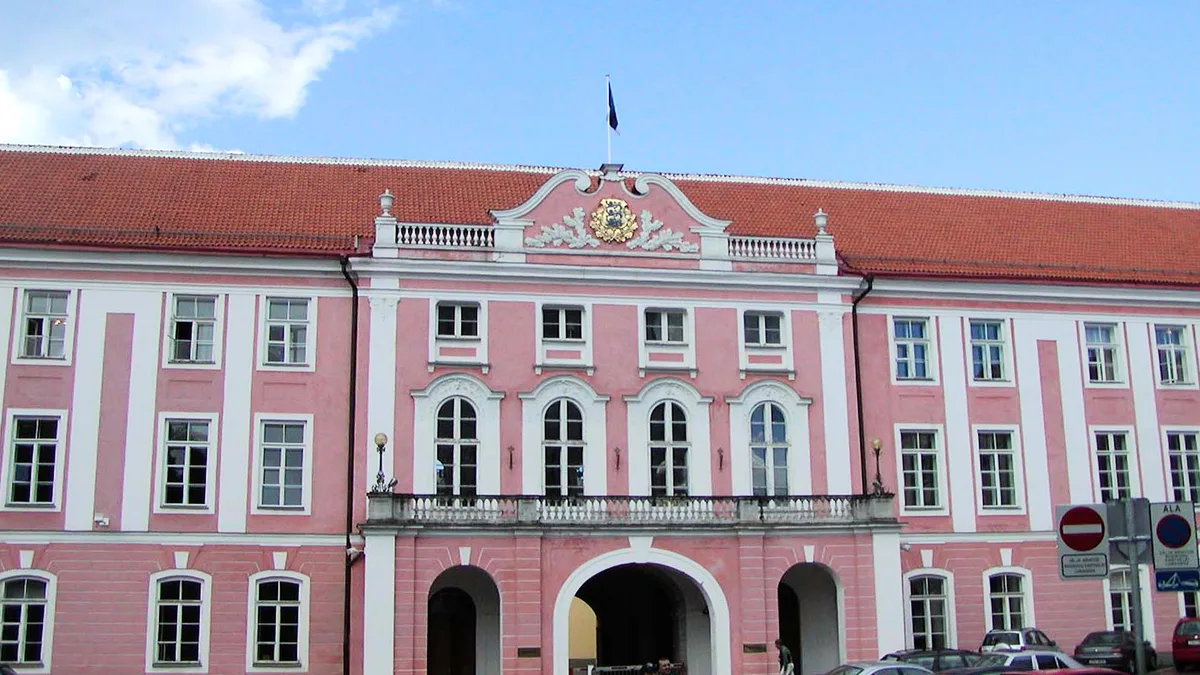
Pakosta later took part as justice minister in a debate on changing the threshold for a large quantity of narcotic substances. In early 2026, a proposal suggested raising it from ten doses to thirty, with the aim of reducing users’ exposure to criminal proceedings and focusing more on dealers. This was a legislative policy proposal, rather than a change already in force. The Ministry of the Interior declined to endorse it in February 2026, exposing disagreement between coalition partners.
Legalization, decriminalization and referral to treatment are different policy choices. Pakosta’s example shows how a politician may support treatment-focused measures while opposing legal cannabis retail.
420Eesti’s view: discuss both health risks and the effects of prohibition
Cannabis policy can be assessed through two questions at once: what health risks does cannabis pose, and what harms arise from prohibition and criminalization? In Estonia, that discussion should be based on specific evidence. Supporting a regulated adult market is compatible with protecting minors, prevention and treatment for dependence.
Read more: Cannabis legality in Estonia in 2026 and could cannabis legalization generate revenue for Estonia?