
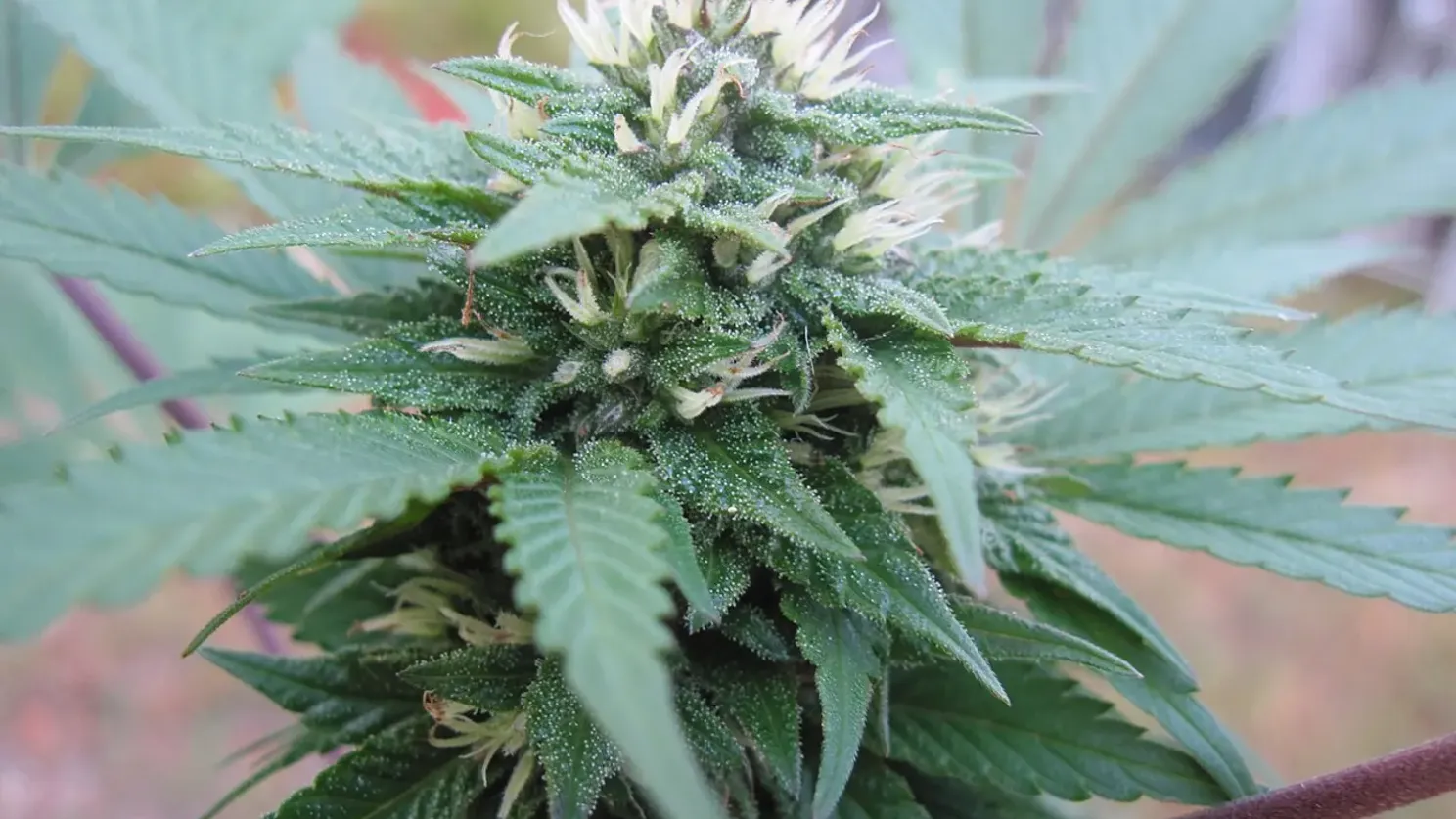
Finland’s Social Democratic student organisation, Demariopiskelijat, voted at its weekend congress to support cannabis legalisation under strict regulation. Its chair suggested that the state-owned alcohol retail chain Alko could be one possible sales channel. This is a political proposal by a student organisation, rather than a decision by Finland’s government.
Demariopiskelijat adopted the position at its 59th congress, held in Helsinki on 7–8 November 2026. According to its statement published on 9 November, the organisation does not seek an unrestricted cannabis market, but licensed production, distribution and sales under state supervision.
What exactly was proposed?
The student organisation’s position would allow cannabis production, sales and distribution under strict controls, alongside use and possession within legal limits. Demariopiskelijat had already supported ending penalties for drug use, beginning with cannabis. The new decision goes further by endorsing a regulated legal market.
The organisation cited potential economic effects, international research and the experiences of Canada, the United States and Germany. These are the proponents’ arguments, rather than proof that a similar system would necessarily produce the same outcomes in Finland.
Why discuss Alko?
The organisation’s chair, Miku Kuuskorpi, raised the possibility of selling cannabis through Finland’s state-owned alcohol retailer, Alko. He argued that the current government had weakened Alko’s position and that further expansion of alcohol sales into ordinary shops would make its monopoly harder to maintain. Strictly regulated cannabis sales could, in that context, give Alko a new future role.
Precision matters: sales through Alko are a possibility raised in discussion, not an approved model. The organisation has not introduced an enacted law, Alko has not started selling cannabis, and Finland’s government has not turned the proposal into legislation.
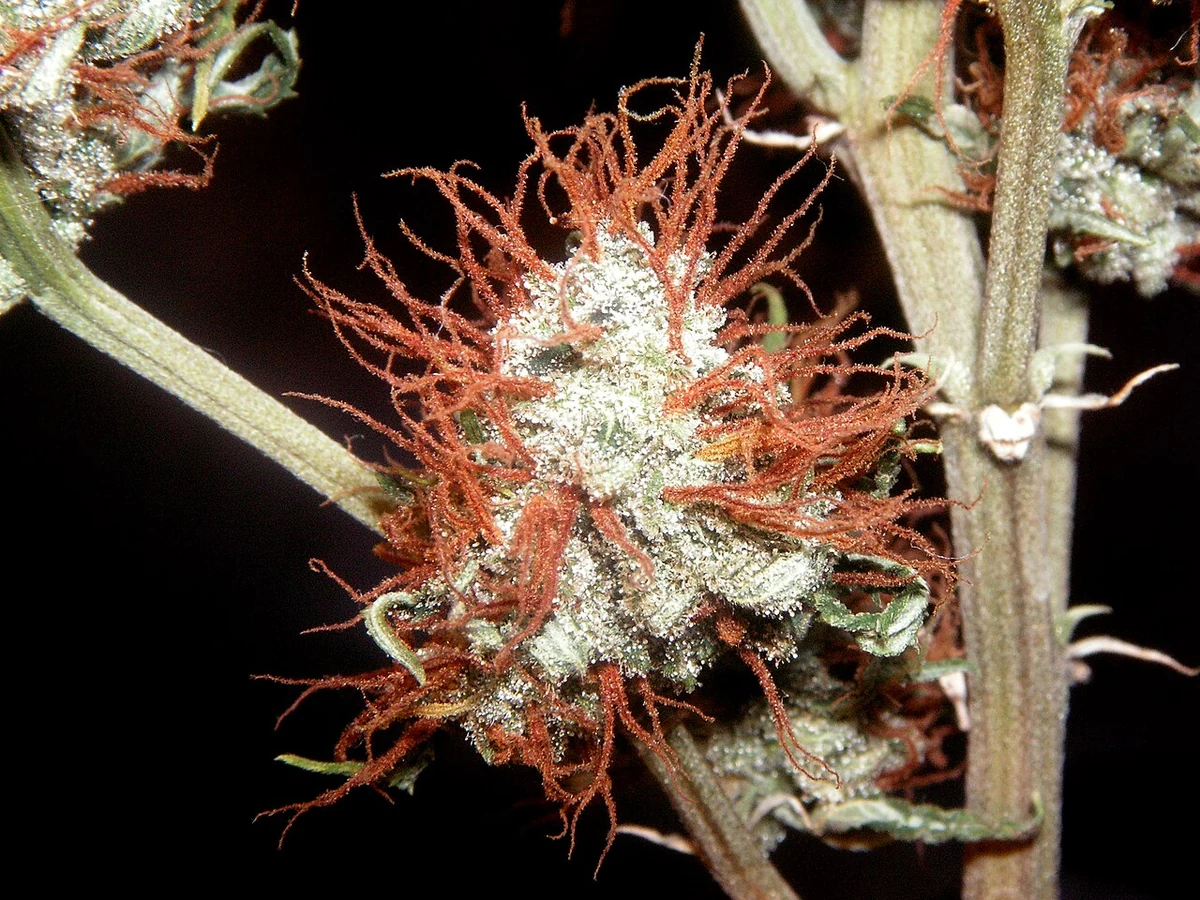
The proposal has already attracted criticism
Other Finnish publications quickly covered the issue. Verkkouutiset described the political response, while Suomen Uutiset reported opposition from Finns Party MP Merja Rasinkangas. Rasinkangas emphasised dependence and health risks and expressed concern for young people’s wellbeing.
The dispute reflects two approaches to drug policy. Supporters hope to replace part of the illicit market with controlled sales, quality standards and oversight. Opponents fear legal availability could increase use and associated harm. The proposal alone cannot establish which effects would prevail in Finland.
Finland’s parliament rejected legalisation in February
The new position is also notable against the background of an earlier political decision. According to Finnish public broadcaster Yle, parliament rejected a citizens’ initiative to legalise cannabis on 18 February 2026: 145 MPs voted against, 18 supported it and 36 were absent. The initiative proposed allowing use, possession, cultivation for personal use and regulated sales with age restrictions.
That parliamentary decision meant the initiative did not become law. Demariopiskelijat’s new programme does not overturn the vote or change current Finnish law. Nor should the student organisation’s decision be presented as the official position of the entire Social Democratic Party.
What does this debate mean for Estonia?
In Estonia, cannabis legalisation also involves debates about health protection, criminal justice and a possible regulated market. The Finnish news does not change Estonian law or mean cannabis will soon be available from Alko shops across the border.
It does show that the issue continues to enter political organisations’ programmes. The debate concerns not only whether cannabis carries risks—it does—but whether prohibition or a controlled market would better reduce harm to society.
What happens next?
Demariopiskelijat has adopted its political position, but implementing it would require further political support and legislative changes. For now, this is a proposal and a public debate, rather than a reversal of Finnish cannabis policy.
Also on 420Eesti: Finland’s Parliament Rejects Cannabis Legalisation, and Cannabis Laws in Estonia 2026.
Sources
Demariopiskelijat congress press release, 9 November 2026 · Iltalehti · Verkkouutiset, 9 November 2026 · Suomen Uutiset, 9 November 2026 · Yle, 18 February 2026.