

ERR reports that Finland’s parliament voted on 18 February 2026 against a citizens’ initiative seeking cannabis legalisation with age restrictions. It proposed permitting use, possession, cultivation for personal use, production and sales.
The vote
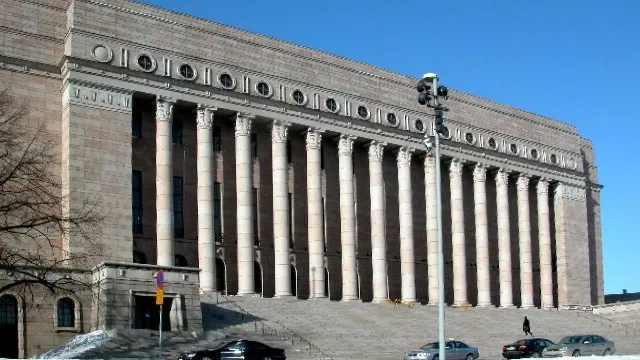
A clear majority opposed the initiative: 145 MPs voted against and 18 in favour, with no abstentions and 36 absent.
What the initiative sought
It proposed a legal framework for adult use and a cannabis market, including production and sales, rather than simply treating consumption more leniently.
Two debates that have also run alongside each other in Finland should be distinguished:
- Decriminalisation: reducing penalties for use and small quantities.
- Legalisation: establishing a regulated market and lawful sales.
The proposal rejected on this occasion concerned legalisation.
Why was it rejected?
Before the plenary vote, parliament’s Legal Affairs Committee recommended rejection. Its reasoning cited dependence and possible increases in harm, while also noting that several measures place cannabis below many other intoxicants in harmfulness. The recommendation drew on assessments by the Finnish Institute for Health and Welfare, THL.
ERR reported that MPs Atte Harjanne and Jessi Jokelainen submitted a dissenting opinion to the committee report.
What does this mean for Finnish policy?
The decision means this initiative did not change Finnish law or introduce legalisation. Finland’s drug policy remains broadly prohibition-based while also employing harm-reduction measures.
The Narcotics Act 373/2008 is central to the framework, aiming to prevent unlawful import, export, production, distribution and use. THL and the Ministry of Social Affairs and Health describe this framework.
Does rejection necessarily end the debate?
Not necessarily. Citizens’ initiatives can bring issues into political discussion even when ultimately rejected. Yle emphasised that the vote followed the committee’s recommendation and showed no parliamentary majority for the proposed legalisation model at that time.
For later debate, see our overview of the Social Democratic students’ proposal. The student organisation’s position did not overturn parliament’s earlier decision.