
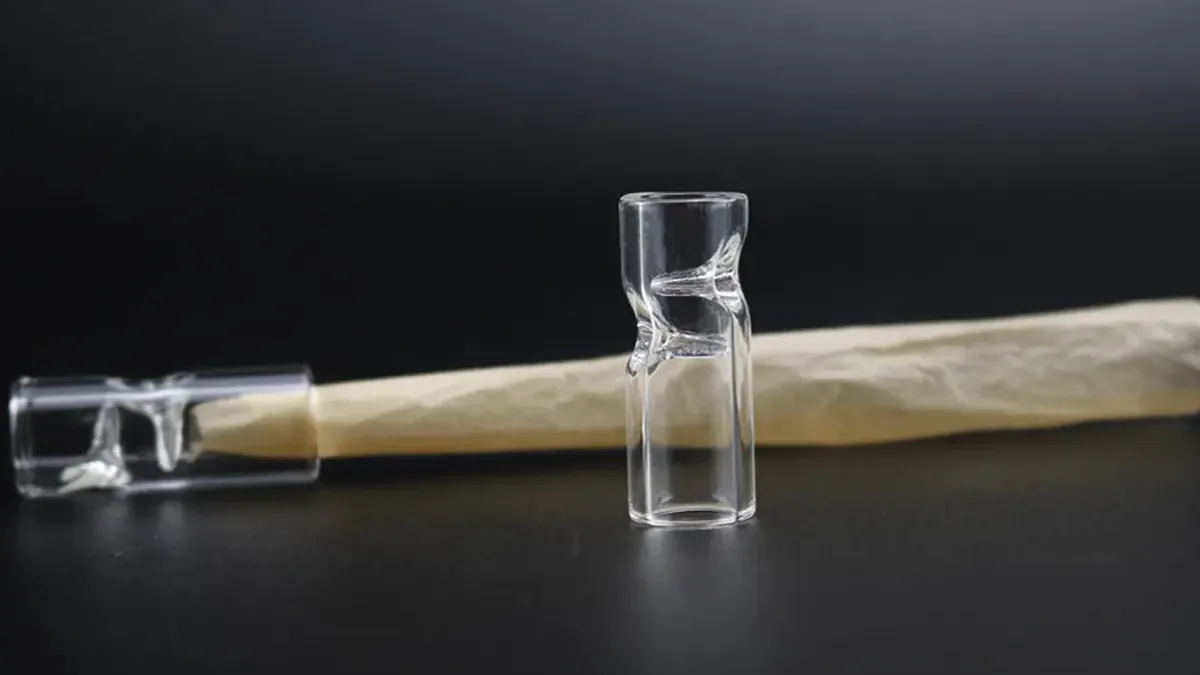
Glass and cardboard tips appear to serve the same purpose: they give the end of a rolled cigarette its shape, make it easier to hold and help keep loose particles out of the mouth. The main differences concern durability, cleaning, price and convenience. With glass, it is also essential to avoid using a damaged or cracked tip.
A standard glass or cardboard tip is essentially a mouthpiece, rather than a filter that removes health risks. It does not make inhaling smoke safe, even if the product name includes the word ‘filter’.
Paper or cardboard tips: simple and disposable
A cardboard tip is a small foldable strip placed at the mouthpiece end of a rolled cigarette. Some strips come with perforations; others need folding into shape. A tip is lightweight, inexpensive and adjustable to the desired diameter.
- Advantages: low cost, easy to carry, adjustable size and no washing after use.
- Disadvantages: generally disposable, may soften when damp and can restrict the opening if folded too tightly.
For a comparison of materials and sizes, see our guide to choosing rolling papers. With cardboard tips, check that the edges are smooth and the material does not fall apart easily.
Glass tips: reusable and rigid
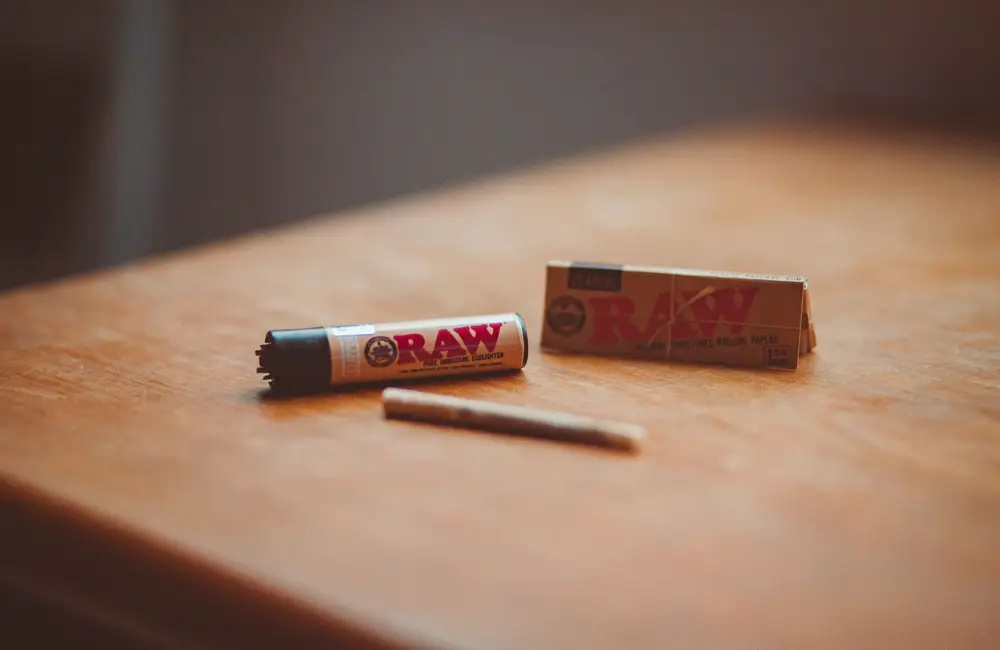
A glass tip is a small, reusable glass mouthpiece. It may contain constrictions or notches that help stop loose particles reaching the mouth. Glass keeps its shape when wet, but requires regular cleaning and can break if dropped.
- Advantages: reusable, maintains its shape and opening, washable and does not soften like cardboard.
- Disadvantages: a higher initial price, cleaning requirements and a risk of breakage. The size must suit the rolling paper and the desired finished shape.
When choosing a glass tip, consider its internal diameter, mouthpiece length and whether the edges are properly finished. Do not use a tip with cracks or sharp edges.
Which is more convenient?
Cardboard suits people who value portability and want to dispose of the tip afterwards. Glass may be practical for those who prefer a rigid mouthpiece and are willing to clean it. Neither material universally provides a ‘better draw’: airflow depends mainly on the internal shape and how tightly the assembly is put together.
In either case, check that the opening is clear. If a glass tip is difficult to clean, a simpler internal design may be preferable; intricate constrictions can collect more residue.
Is glass healthier than cardboard?
The mouthpiece material alone cannot establish this. Glass does not make smoke from combustion safe, and a cardboard tip generally does not filter out the compounds responsible for health risks. Avoiding smoke inhalation is the most reliable way to reduce smoking-related health risks. The US National Cancer Institute’s overview also discusses misleading safety claims about filters and smoking.
How should you clean a glass tip?
Let the glass cool before cleaning. Remove visible residue with a soft brush or a suitable cleaner, rinse thoroughly and let it dry completely. Avoid cracked glass, sudden temperature changes or force that could break glass in a narrow connection.
Summary
A cardboard tip is inexpensive, lightweight and disposable. A glass tip is rigid and reusable, and needs cleaning. The choice is mainly about convenience, willingness to maintain it and a suitable size, rather than a promise that either removes smoking’s health risks.