
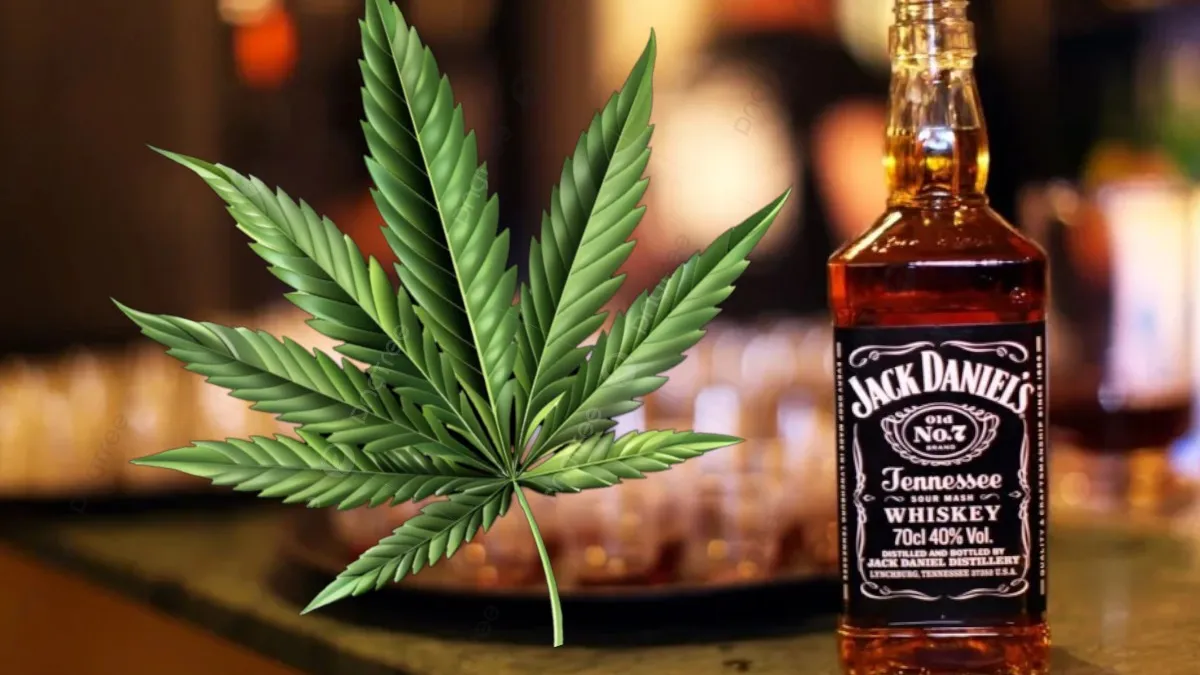
Updated 6 November 2026. In June 2025, Lawson Whiting, then CEO of Jack Daniel’s owner Brown-Forman, said cannabis, weight-loss medication and younger generations’ changing drinking habits were putting pressure on spirits. This was an executive’s assessment of trends, rather than research proving cannabis’s effect on company revenue. We also discuss the relationship in our comparison of cannabis and alcohol health risks (in Estonian).
What did Brown-Forman say in 2025?
Brown-Forman reported a 5% decline in fiscal 2025 sales revenue to around US$4 billion. Fourth-quarter sales fell 7% to US$894 million. Several factors affected sales, including cautious consumer spending and broader weakness in the alcohol market.
Discussing the results, Whiting identified three longer-term pressures: Generation Z’s lower interest in alcohol, GLP-1 weight-loss medications and cannabis’s popularity. He emphasised that the precise scale of their effects remained debated.
It would therefore be misleading to attribute the entire 5% decline to cannabis legalisation or suggest the company had measured its effect as a precise monetary amount.
What did the following year’s results show?
Brown-Forman’s next annual results, released in June 2026, showed another 1% fall in annual revenue to approximately US$3.9 billion. Fourth-quarter sales nevertheless rose 2% year on year. The figures reflect a difficult market but cannot isolate cannabis’s role from other factors.
In July 2026, the company announced that Whiting intended to retire as CEO once a successor was appointed. His 2025 comments are therefore presented in their historical context, rather than as a timeless description of company leadership.

Does cannabis replace alcohol?
Some consumers may choose cannabis instead of alcohol, but effects depend on the country, age group, prices, regulation and personal habits. Management’s observations suggest potential competition between consumption habits, rather than proving a causal relationship.
Cannabis policy changes may affect the alcohol industry’s long-term prospects. Inflation, purchasing power, trade policy and health behaviours also shape the market. A reliable comparison must consider all these factors.