
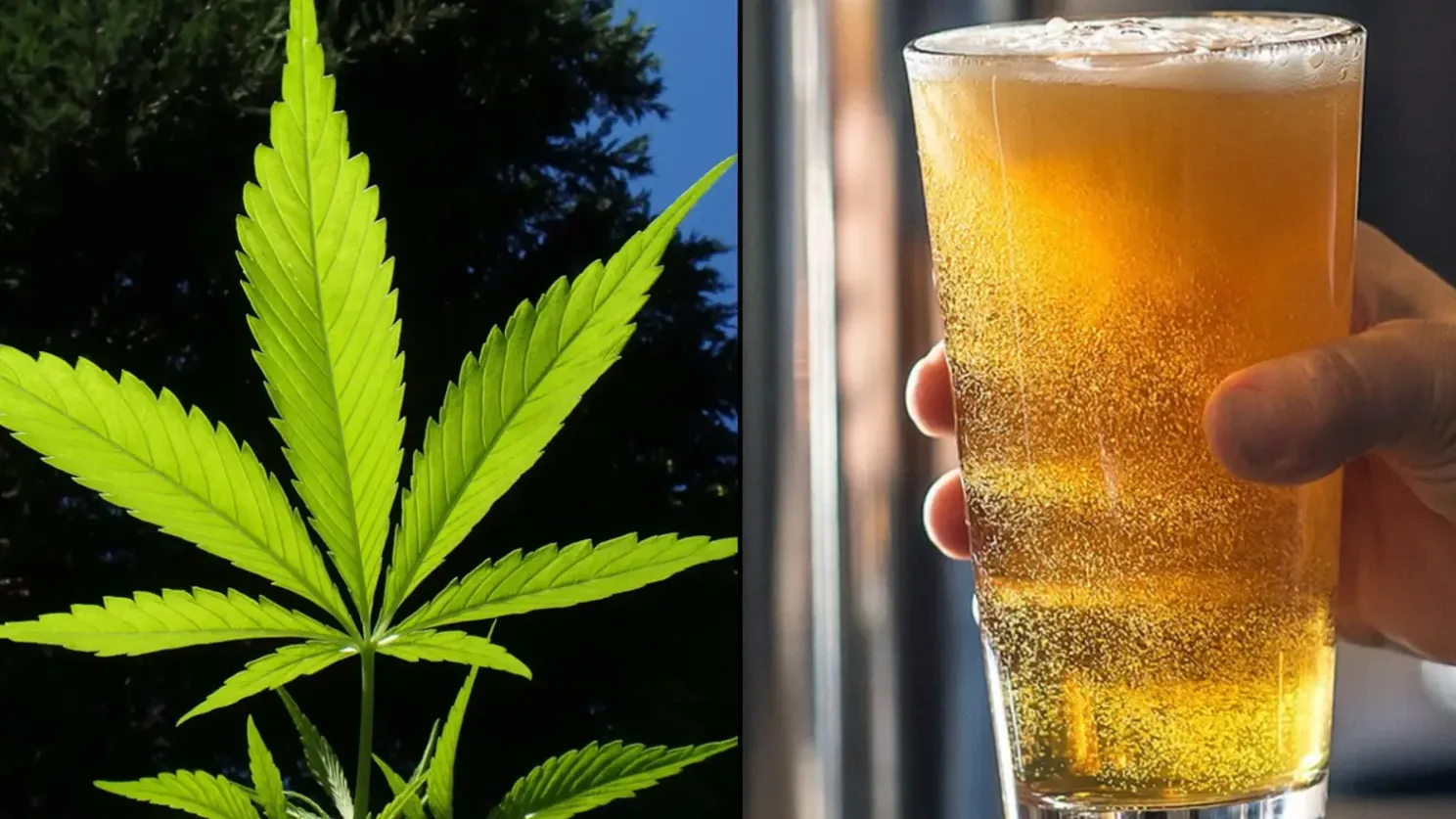
Alcohol is an ordinary part of social life in Estonia. A beer after the sauna, wine with dinner or spirits at a birthday rarely prompt much public debate. Cannabis is treated very differently: its use remains prohibited, and possessing even a small amount can lead to punishment.
Comparing their health risks means considering acute effects, long-term disease, dependence and harm to other people. A single ranking cannot capture all these differences.
Research provides a fairly clear but nuanced picture. Alcohol causes a substantial burden of disease, many deaths and serious consequences for users and others. Cannabis also carries health risks, but their nature and scale differ in several important areas.
Here we examine evidence on dependence, cancer, overdose, mental health, road safety and wider social harm. We also ask why Estonian law treats the two substances so differently.
1. Alcohol causes millions of deaths worldwide
Decades of research have produced extensive evidence about alcohol’s health effects. It does more than cause intoxication: ethanol is toxic and can damage multiple organs and body systems.
According to figures published by the World Health Organization in 2024, alcohol caused approximately 2.6 million deaths worldwide in 2019. These included deaths from long-term diseases, injuries and other alcohol-related health problems.
Long-term drinking can increase the risk of liver cirrhosis, cardiovascular disease, pancreatitis and other conditions. Heavy drinking can also damage the nervous system, memory and mental health.
Harm is not confined to people who drink daily or have alcohol dependence. Some health risks increase even at lower levels of consumption.
Alcohol is an established carcinogen
Alcohol’s link to cancer is often underestimated. The International Agency for Research on Cancer classifies alcoholic beverages as carcinogenic to humans. Alcohol causes cancers of the mouth, pharynx, larynx, oesophagus, liver, colorectum and breast, among others.
WHO emphasises that no completely safe level of alcohol consumption can be established for cancer risk. This does not mean one glass of wine will certainly cause cancer; it means even low consumption can add some risk.
Cannabis does not have equally extensive, conclusive evidence linking its use to a comparable range of cancers. That does not make cannabis smoke safe or settle every question about cannabis and cancer. Alcohol’s causal relationship with several cancers, however, is well established.
2. How do cannabis and alcohol health risks differ?
Cannabis affects the body differently in several ways. THC, its main intoxicating compound, affects the endocannabinoid system, including CB1 receptors in the brain. Perception, reaction speed, coordination, memory and mood can change as a result.
Unlike alcohol, cannabis has not been shown to have the same direct relationship with liver cirrhosis or several established alcohol-caused cancers. That difference matters, but cannabis risks extend beyond temporary intoxication.
Cannabis smoke contains many of the same irritants and toxic compounds as tobacco smoke. Regular smoking can cause cough, phlegm and chronic bronchitis symptoms. THC can also increase heart rate, and studies have associated cannabis use with certain cardiovascular problems.
Mental health concerns are particularly relevant to frequent use, high-THC products and starting at a young age.
It is therefore scientifically inaccurate to say cannabis affects only mental health or has no physical health effects.
Does the method of use matter?
Yes, but no method removes every risk. Smoking produces combustion products that can damage the airways. Vaporisation avoids the same direct combustion, but that does not make the inhaled aerosol completely safe.
Edibles avoid the direct respiratory burden of smoke. However, their delayed and longer-lasting effects increase the risk of unintentionally consuming too much THC.
Risk also depends on composition, THC content, frequency of use and individual health.
3. Alcohol or cannabis: which is more addictive?
Both can cause dependence, but their dependence and withdrawal profiles differ. Alcohol dependence can become a serious chronic condition involving strong cravings, loss of control and continued drinking despite negative consequences.
For someone with severe alcohol dependence, abruptly stopping can cause dangerous withdrawal, including seizures and delirium. These complications can be life-threatening and require medical supervision.
Cannabis can also cause a use disorder. People may experience strong cravings, difficulty limiting consumption and continued use despite problems at work, school or in relationships.
Cannabis dependence is not purely psychological. Stopping regular use can cause irritability, sleep problems, restlessness, reduced appetite and other withdrawal symptoms.
These are usually unlike the life-threatening complications of severe alcohol withdrawal, but can still make stopping difficult.
The US Centers for Disease Control and Prevention estimates that around three in ten cannabis users have some form of cannabis use disorder. This does not mean 30% of everyone who has ever tried cannabis has severe dependence. Risk varies with frequency, age at first use and THC potency, among other factors.
Severe alcohol withdrawal is generally more medically dangerous, but cannabis dependence also deserves serious attention.
4. Overdose and death: important differences
Acute poisoning is one of the clearest differences between alcohol and cannabis.
Large amounts of alcohol can cause severe poisoning, unconsciousness, breathing problems and death. Life-threatening alcohol poisoning can occur during a single drinking episode.
A fatal overdose caused solely by THC’s direct toxicity is considered extremely unlikely. This represents an important toxicological difference.
It does not mean cannabis cannot cause serious problems. Too much THC can cause severe anxiety, panic, confusion, hallucinations, a racing heart or repeated vomiting.
Some people need emergency care for these symptoms. Intoxication can also contribute to accidents and injuries.
THC edibles are particularly dangerous for young children who mistake them for sweets. Severe poisoning can involve slowed breathing and unconsciousness; call 112 in such a situation in Estonia.
A relatively lower direct overdose risk does not mean cannabis has no overall risk of death or injury.
Deaths from direct poisoning must also be distinguished from broader substance-related mortality. These measure different things.
5. Mental health: different risks
Both alcohol and cannabis can affect mood, anxiety and mental health, but through different mechanisms.
Alcohol may initially reduce inhibition and feel relaxing. Long-term heavy drinking, however, is associated with depression, anxiety, sleep problems and other mental health conditions.
Cannabis effects can vary considerably. Some people describe relaxation and a pleasant mood; others experience anxiety, paranoia or panic, particularly with more THC.
Studies have also linked cannabis use with psychosis risk. The association is stronger with early initiation, frequent use and high-THC products.
These associations must be considered alongside genetic susceptibility, environment and other influences on mental health.
It would be wrong to say cannabis causes psychosis in every user. It would be equally misleading to deny the risk.
There is therefore no universal mental health answer about which substance is more dangerous for every individual.
6. Alcohol, cannabis and driving
The dangers of drink-driving are well documented. Alcohol impairs judgement, coordination, reactions and attention, increasing crash risk. Cannabis intoxication can also make driving dangerous.
THC can slow reactions, affect attention and time perception, and make rapid decisions in complex situations harder.
Their driving effects cannot be compared directly using blood concentrations alone. Blood THC does not consistently indicate actual impairment as clearly as blood alcohol concentration is used to assess alcohol impairment. This does not make driving under cannabis safe.
A 2026 study found added risks from combining the substances
A controlled study published in JAMA Network Open in 2026 assessed alcohol combined with edible THC. It involved 25 adults and measured performance in a driving simulator.
The researchers found that combining alcohol and THC could impair driving more than either substance alone. In some conditions, the combination caused greater impairment than a comparison condition with a higher alcohol concentration.
This was a relatively small laboratory study, but supports earlier evidence that combining intoxicants can increase risk.
Driving under either substance is dangerous. Sensible cannabis policy should establish clear road safety rules rather than excuse impaired driving.
7. Violence and harm to others
Social harm extends beyond the user’s health. Alcohol has a well-documented association with aggression, injuries, domestic violence and other violent incidents. Intoxication can reduce self-control and increase impulsive, risky behaviour.
That does not mean every person who drinks becomes violent. Alcohol nevertheless represents a significant risk factor for several forms of violence.
Evidence linking cannabis directly to aggression is less clear-cut. Many people feel calmer or sleepy, but that cannot establish that every intoxicated person is peaceful or safe.
Cannabis can affect judgement, cause anxiety or trigger unpredictable reactions. Comparisons must also account for alcohol being used much more widely and often in different social settings. Absolute incident counts alone do not reveal risk per occasion or per user.
Alcohol’s links to violence and harm to others nevertheless remain among its most serious social consequences.
8. The Lancet’s 2010 assessment ranked alcohol highest for overall harm
One of the best-known comparisons appeared in The Lancet in 2010. UK researchers David Nutt, Leslie King and Lawrence Phillips worked with experts to assess 20 drugs using 16 criteria covering harm to users and others.
These included mortality, dependence, health damage, injuries, crime, family problems and economic consequences.
Alcohol scored 72 out of 100 in the combined assessment, the highest overall harm score. Cannabis ranked considerably lower within the same model.
The result prompted debate because alcohol is legal in many countries while several substances ranked lower remain prohibited.
What does this study actually establish?
The study matters, but needs careful interpretation. It was a comparison model based on expert judgements and weighted criteria, not a laboratory experiment measuring a single universal danger score for every substance.
The UK’s consumption patterns and social context at the time also influenced the results. It does not prove every individual drinking occasion is more dangerous than every cannabis-use occasion.
It does show why drug policy should consider multiple dimensions of harm rather than rely only on which substances have historically been legal or prohibited.
9. Could cannabis sometimes replace alcohol?
Cannabis communities have long discussed people choosing cannabis instead of alcohol. Researchers study this ‘substitution effect’, where using one substance may reduce use of another.
Some small studies have found reduced alcohol craving or consumption after cannabis use in certain participants.
420Eesti has previously covered a US study examining cannabis, alcohol craving and the amount consumed.
This is an interesting research area given alcohol’s substantial harm. However, current findings do not establish cannabis as a treatment for alcohol dependence or show that replacing alcohol always reduces someone’s overall health risk.
Some people combine the two, potentially increasing risk. Better studies could clarify how cannabis policy changes affect drinking and related harms. Many questions remain unresolved.
10. Why is alcohol legal in Estonia while cannabis is prohibited?
Medical risk alone cannot answer this. Alcohol has a long cultural, historical and economic role in Estonia and Europe. Drinking is deeply embedded in social traditions, while governments regulate production, sales, taxation and advertising.
Cannabis prohibition developed in a different international political and legal context, influenced by twentieth-century drug policy, international conventions and social attitudes.
The current legal distinction therefore does not directly reflect relative harm. Estonia permits regulated alcohol sales to adults. Recreational cannabis use and unlawful handling of narcotic cannabis remain prohibited.
Our 2026 guide to Estonian cannabis laws explains penalties for use and handling in more detail.
This raises a reasonable question about consistency and proportionality. If adults may buy a substance with well-established serious health and social harms, on what grounds should another substance with a different risk profile and lower assessed overall harm be regulated?
This does not imply unrestricted access. A regulated cannabis market could instead introduce age limits, composition and potency checks, quality requirements, health warnings and clearer sales and use rules.
Actual outcomes would depend on design and enforcement. Legalisation does not automatically eliminate health risks or guarantee every intended result.
Thoughtful regulation could nevertheless address cannabis as a public health issue rather than solely a criminal justice problem.
Cannabis and alcohol: key differences
| Comparison | Alcohol | Cannabis |
|---|---|---|
| Direct fatal poisoning | Possible | Very unlikely from THC’s direct toxicity alone |
| Dependence | Can be severe; withdrawal can be life-threatening | Can cause a use disorder and withdrawal |
| Cancer risk | Established cause of several cancers | Smoking exposes users to carcinogens; long-term cancer associations are less clear |
| Liver damage | Serious risk with long-term heavy drinking | Not characterised by the same direct liver damage pattern as alcohol |
| Mental health | Associated with depression, anxiety and other problems | Can cause anxiety and increase psychosis risk |
| Driving | Impairs driving and increases crash risk | Also impairs driving and increases risk |
| Harm to others | Well-documented association with violence and injuries | Risks exist but differ in nature and scale |
| Legal status in Estonia | Permitted for adults under regulation | Recreational use prohibited |
This comparison is not a universal risk table for every person or occasion. Actual harm depends on amount, frequency, method, age, health and other circumstances.
Frequently asked questions
Is alcohol more harmful than cannabis?
Across several major measures, alcohol causes substantially greater established health and social harm. That does not make cannabis lower-risk in every situation or for every person.
Can cannabis cause a fatal overdose?
A fatal overdose from THC’s direct toxicity alone is extremely unlikely. Cannabis can still cause serious poisoning, accidents and other health problems, particularly in children.
Can cannabis cause dependence?
Yes. Cannabis can cause a use disorder and withdrawal symptoms. Frequent use, high THC content and starting young increase risk.
Can you drive under the influence of cannabis?
No. THC can impair reactions, attention and coordination. Combining cannabis and alcohol can further impair driving.
Is cannabis a healthier alternative to alcohol?
Lower risk in some areas does not automatically make cannabis a healthy product. Both carry risks, and comparisons must account for frequency, amount and individual health.
If cannabis is less harmful in several ways, why is it prohibited in Estonia?
Prohibition developed through historical, political and international legal decisions. Current legal status does not depend solely on scientific assessments of relative harm.
Conclusion: what does the comparison mean for Estonian policy?
Society treats alcohol and cannabis differently. Scientific comparisons must consider health damage, dependence, accident risks and harm to other people separately.
Alcohol causes millions of deaths worldwide, increases several cancer risks, can produce dependence with life-threatening complications, and contributes substantially to violence and accidents. Cannabis also carries health risks, but differs in direct toxicity, dependence and patterns of social harm.
Several comparisons, including The Lancet’s well-known assessment, have ranked alcohol substantially higher for overall harm.
This does not make cannabis safe for everyone or justify promoting unrestricted use.
It does provide strong grounds to question proportionality. Should Estonia address cannabis risks mainly through punishment, or could controlled, transparent adult regulation focused on public health work better?
420Eesti’s position is that cannabis policy should rest on research rather than outdated prejudice. Reducing health and social harm requires assessing substances using consistent principles.
Discussing a regulated adult cannabis market does not deny cannabis risks. It means being willing to develop more evidence-based, honest and reasonable drug policy in Estonia.
Sources
- WHO (2024): alcohol and the global burden of disease in 2019
- Hall (2017): comparing alcohol and cannabis health effects and regulation
- Lachenmeier and Rehm (2015): a toxicological risk model, not an assessment of all health harms
- Nutt et al. (2010): multicriteria assessment of drug harms in the UK
- CDC: cannabis use disorder
- Zamarripa et al. (2026): edible THC and alcohol in a driving simulator
- Health Canada: cannabis poisoning and breathing problems in children