
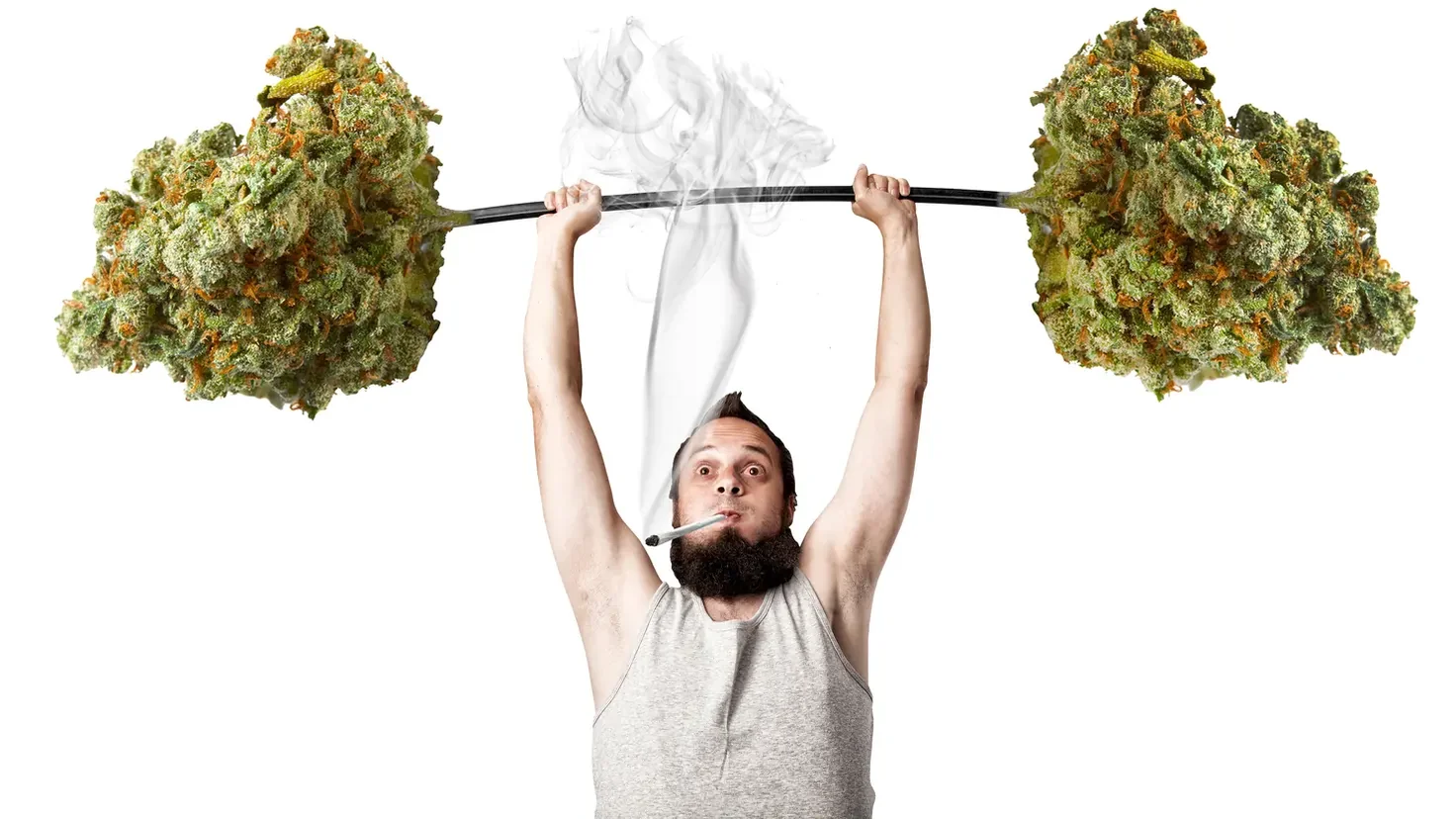
THC may make exercise feel more enjoyable for some recreational athletes, while CBD is often marketed for recovery. Neither observation establishes improved performance. Research needs to distinguish perceived experience, measurable performance and potential health risks.
It is important to distinguish THC from CBD, personal experience from controlled research, and recreational exercise from competitive sport. The compounds have different effects, risks and anti-doping rules.
Does THC improve exercise?
THC is the main intoxicating compound in cannabis. Some people may find exercise more enjoyable under its influence, but a pleasant experience does not establish faster running, greater strength or better coordination. THC can affect reaction time, balance, attention and judgment, all of which matter in ball sports, cycling, gym training and exercise near traffic.
420Eesti previously covered a study in which 42 runners used cannabis before treadmill exercise. Such studies can help explain subjective experiences, but small samples and participants’ own ratings cannot establish a general athletic advantage.
When is THC particularly risky during exercise?
Activities where a mistake could cause a fall, collision or serious injury require particular care: road cycling, combat sports, ball games, skiing and heavy free-weight exercises. Even on a seemingly relaxed run, THC can make environmental hazards harder to notice. Do not cycle in traffic or drive while intoxicated.
Combining THC with alcohol can further impair coordination and judgment. Feeling good during exercise is not a reason to disregard safety. The CDC discusses cannabis’s effects on reactions and coordination.
CBD and sports recovery: what does research show?
CBD, or cannabidiol, does not usually cause a THC-like high. It has been studied in relation to inflammatory markers, muscle soreness, sleep and recovery, but research supports more cautious conclusions than many marketing claims. A 2024 systematic review identified seven eligible studies and considered evidence for performance and recovery limited.
A controlled study published in 2025 involving trained runners also found no convincing benefit from single CBD doses for endurance performance or most measured exercise responses. This does not exclude every possible benefit, but it does not justify claims that CBD automatically makes someone a better athlete.
Does CBD help with muscle soreness, inflammation or sleep?
Recovery involves many factors. Post-exercise soreness does not necessarily indicate a need for a particular supplement, and inflammatory processes are not always something to suppress entirely. CBD studies have produced differing findings, with questions remaining about dose, timing and long-term safety.
CBD may cause drowsiness, affect liver markers and interact with certain medicines. Ongoing sleep or pain problems should be assessed by a healthcare professional. The FDA’s safety overview describes potential side effects and interactions.
Are CBD or THC prohibited in sport?
Under WADA’s 2026 Prohibited List, cannabinoids are prohibited in competition, except cannabidiol (CBD). THC remains prohibited. However, CBD products can contain THC or other prohibited compounds, so a CBD label does not guarantee a doping-free product.
We explain cannabinoid differences in our CBD, CBG and CBN guide and testing risks in our article on CBD and doping tests.
What most reliably supports recovery?
- Adequate sleep: aim for a regular sleep schedule and allow time to recover from training.
- Nutrition and fluids: eat enough, including sufficient energy and protein for your training load, and drink as needed.
- Training plans: alternate harder and easier days and increase the load gradually.
- Injury prevention: seek professional assessment for persistent pain or impaired function.
Sleep, nutrition and load management have stronger support than using CBD to speed athletic recovery.
Key points
Cannabis may change how exercise feels, but THC cannot be recommended to improve athletic performance, and intoxication creates real safety risks. Evidence for CBD in sports recovery remains insufficient. Competitive athletes also need to consider testing: CBD itself is excepted under WADA’s rules, but a CBD product’s composition can still cause problems.
This article draws on published research and anti-doping rules and does not replace individual medical or training advice.