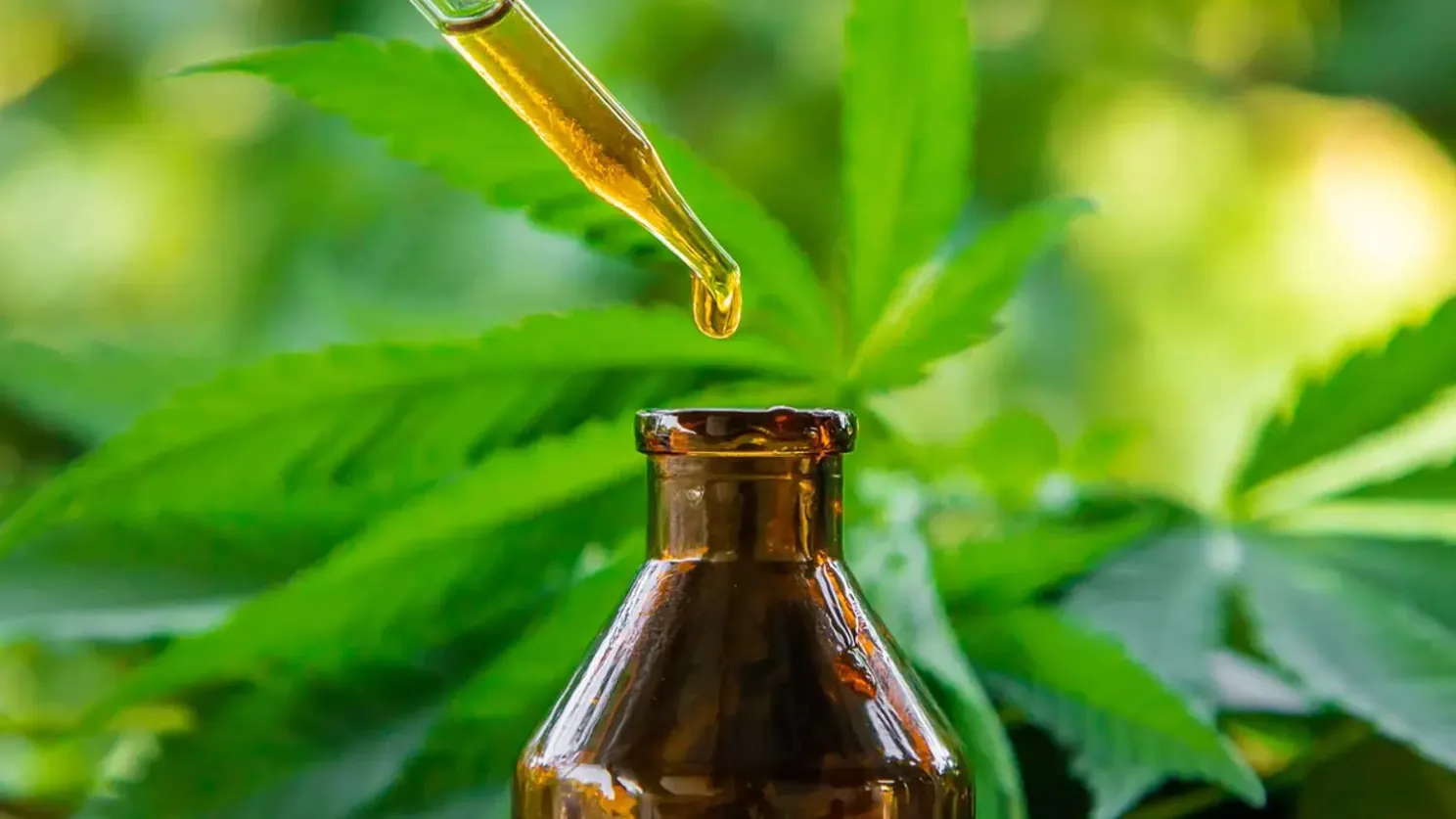
Rick Simpson Oil, or RSO, is a highly concentrated cannabis extract usually associated with high THC content.
It became known through Canadian Rick Simpson’s claim that his homemade extract treated skin cancer. Online, this developed into an alternative-treatment movement recommending RSO for many illnesses.
A reported recovery does not establish its cause. Cancer care should not be delayed or replaced with an unverified preparation.
High-quality clinical evidence does not establish RSO as a treatment for cancer or other serious disease. The US National Cancer Institute reviews cannabinoids and cancer evidence; concentrated oils are not proven cancer treatments. High-THC extracts can also cause substantial adverse effects and face restrictions in Estonia.
What exactly is RSO?
It is not one standardised medicine or fixed composition. The name generally describes a dark concentrated extract with substantial THC and variable other cannabinoids and plant compounds.
Products can differ in:
- THC;
- CBD;
- other cannabinoids;
- terpenes;
- residues;
- contaminants;
- starting plant composition.
Claims of a universal 80% or 90% THC content are therefore inaccurate. Without controlled production and testing, actual contents may be unknown.
Who is Rick Simpson?
He became prominent in the 2000s through accounts of using an extract on skin lesions he associated with basal cell carcinoma, concluding from his experience that THC-rich extract could treat cancer.
Public sharing of his experiences and method produced the name Rick Simpson Oil.
His account is not a controlled clinical trial. It cannot establish:
- the precise diagnosis;
- what caused any change;
- effects of other treatments;
- whether others would obtain the same result;
- an effective and safe treatment dose.
It is not evidence that RSO cures cancer.
Why is RSO associated with cancer?
The association extends beyond Simpson’s story.
Cannabinoids have been studied in cancer cells and animals for years.
Some experiments found changes in:
- cell proliferation;
- programmed cell death;
- tumour blood supply;
- intracellular signalling.
These are scientifically interesting findings.
They are not equivalent to human cancer treatment.
Damaging cells in a laboratory does not establish safe, achievable, effective treatment in people or superiority to existing care.
Does RSO cure cancer?
Reliable clinical evidence does not establish that conclusion. RSO has not been validated as cancer treatment in large controlled trials.
Cannabis and cannabinoids are not established universal cancer cures, although research remains worthwhile.
Laboratory findings support investigation, not cure claims. Replacing surgery, radiotherapy, chemotherapy, immunotherapy or other prescribed care can allow disease progression.
Our cannabis and cancer treatment article explores the distinction.
Can cannabinoids help people with cancer?
Treating a tumour and relieving symptoms are different questions. Symptom research includes:
- chemotherapy-related nausea and vomiting;
- pain;
- appetite;
- sleep difficulties;
- other symptoms.
Medicines such as dronabinol or nabilone are used in some countries for particular chemotherapy-related nausea and vomiting. That does not make RSO an approved cancer medicine.
RSO is not synonymous with medical cannabis
Medical cannabinoid preparations should be standardised, with information on:
- active ingredients;
- amounts;
- manufacturing quality;
- purity;
- administration;
- adverse effects;
- interactions.
Uncontrolled or homemade RSO may lack reliable answers to all of these.
RSO and CBD oil
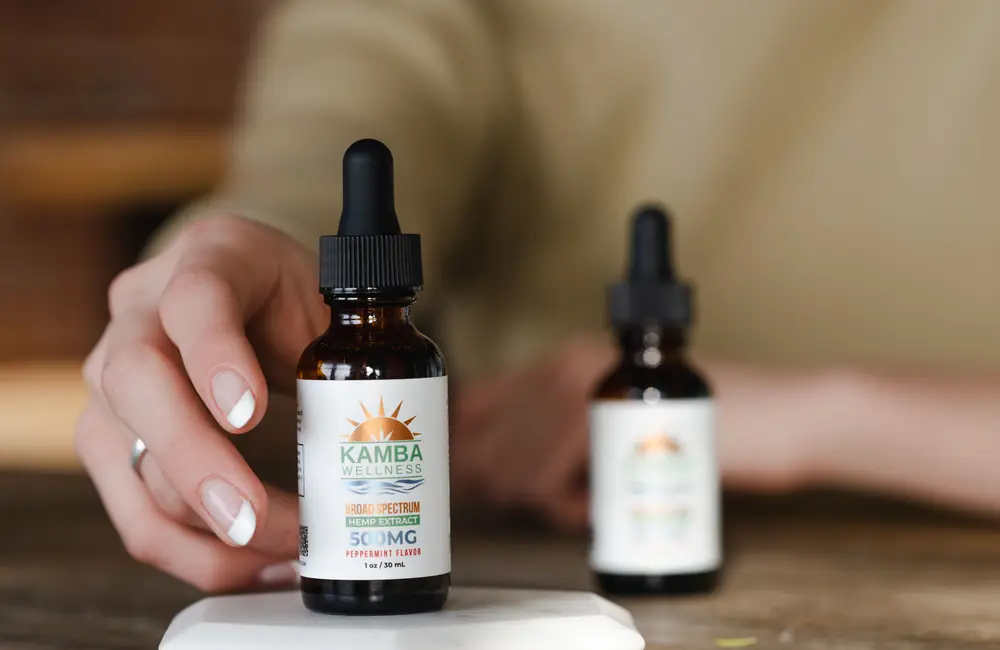
RSO usually means a concentrated THC-rich extract.
CBD oils primarily contain cannabidiol, which lacks the typical THC high.
The legal categories differ too. CBD itself is not scheduled in Estonia, but product status depends on composition, origin and category.
RSO’s high THC content creates a more direct controlled-substance issue. See our CBD, CBG and CBN overview.
RSO and hemp seed oil
Hemp seed oil is a third product: an ordinary seed-derived food oil, not a significant cannabinoid source. RSO is concentrated extract, CBD oil is a CBD preparation and hemp seed oil is a food oil.
How is RSO made?
Broadly, cannabinoids are extracted and concentrated, commonly using an organic solvent. This article does not provide a home-manufacturing procedure.
High-THC extraction faces legal restrictions in Estonia. Solvent processing can also create fire, explosion and poisoning risks, with possible final-product contaminants including:
- residual solvent;
- pesticides;
- heavy metals;
- mould or microbial contamination;
- unknown cannabinoid concentrations.
A tested controlled extract and an unknown homemade concentrate should not be treated as equivalent.
What is the so-called 60-gram protocol?
An online regimen is associated with Simpson’s name.
It advocates substantial amounts with progressive escalation.
It is his recommendation, not a clinically validated cancer regimen. Strong evidence does not establish:
- effectiveness of those amounts;
- safety;
- suitability for cancer treatment;
- advantages of the schedule.
It should not be treated as a medical protocol. High THC exposure can cause strong intoxication and adverse effects.
What are high-THC risks?
Possible effects include:
- anxiety;
- panic;
- paranoia;
- confusion;
- dizziness;
- impaired coordination;
- reduced attention and reaction speed;
- increased heart rate;
- nausea;
- marked drowsiness;
- hallucinations.
Concentrates can be especially unpredictable with low tolerance or unknown potency. Cannabinoids can also interact with medicines.
This matters particularly when several cancer-related medicines are being taken.
Could it affect cancer treatment?
Possibly. Cannabinoids can influence enzymes involved in medicine metabolism.
This can change drug exposure. Medicines with narrow therapeutic margins require particular caution because altered levels can affect efficacy or adverse effects.
Tell the treating team about cannabis, CBD, THC and other cannabinoid products rather than hiding their use.
What is the Estonian legal position?
THC and controlled cannabis processing products, including extracts and tinctures, fall under narcotic rules, subject to statutory exceptions.
The compliant industrial hemp variety exception does not generally authorise a concentrated THC-rich RSO product.
Handling is permitted only for specified purposes and conditions. Cultivating cannabis to manufacture a narcotic substance is prohibited. Home RSO production cannot be treated as ordinary lawful household activity. See our Estonian cannabis law overview.
Is medical cannabis possible in Estonia?
Yes, through the medical framework, which may involve:
- an authorised cannabinoid medicine;
- standardised medical cannabis material;
- an unlicensed medicine requested by a doctor when appropriate.
A clinician assesses need. Controlled composition, quality and medical oversight distinguish such care from homemade RSO.
What should someone considering RSO discuss?
Do not replace evidence-based cancer care with an online alternative regimen. Discuss possible symptom support with the oncologist or treating clinician.
Relevant questions include:
- which symptoms need relief;
- current medicines;
- potential interactions;
- controlled lawful alternatives;
- individual health risks.
Clinical discussion need not dismiss cannabis automatically; decisions should use evidence and known risks.
Frequently asked questions
Does RSO cure cancer?
RSO is not clinically established as a human cancer cure. Laboratory and animal findings do not establish that claim.
Did Rick Simpson cure his cancer with RSO?
Simpson claimed recovery, but his story is not sufficiently documented clinical evidence to determine efficacy.
Is RSO the same as CBD oil?
No. RSO generally contains high THC; CBD oil centres on cannabidiol.
Is RSO legal in Estonia?
High-THC extracts are controlled in Estonia, and ordinary home production is not a generally authorised activity.
Does the 0.3% threshold authorise RSO?
No. The 0.3% exception concerns compliant catalogue hemp varieties.
It does not automatically authorise THC-rich concentrate.
Is cannabis used in medicine?
Yes, standardised preparations and cannabinoid medicines have particular medical uses. That does not establish homemade RSO as a cancer medicine.
Summary
RSO is concentrated, usually THC-rich extract made famous by cancer claims. Cannabinoid cancer research has produced interesting laboratory findings.
Reliable evidence does not establish RSO as a cancer cure. Possible symptom relief is a different question from treating the tumour.
Composition and purity can be unknown, with intoxication and interaction risks. THC-rich extracts are controlled in Estonia.
Discuss cannabinoid use during serious illness with the treating team and do not replace established treatment with an online protocol.