

Malta has submitted draft legislation to the European Commission that would create specific rules for selling low-THC cannabis products in shops and online. Registered on 10 November 2026, the proposal includes licensing, product labelling and age verification. It is a draft, rather than an existing authorisation for online sales.
The draft is called the Regulation of Cannabis Products with Low-THC Act, 2026, registered in the European Union’s technical regulation notification system as 2026/0615/MT. The proposed changes cover specifically defined products with low concentrations of psychoactive cannabinoids, rather than cannabis of every kind.
What does Malta want to change?
Under the proposal, cannabis-derived products containing less than 0.2% psychoactive cannabinoids, including THC, could be marketed under a licence. The scope would include cannabis flowers, leaves, extracts and preparations. Synthetic and semi-synthetic cannabinoids would be excluded from the scheme.
The most notable change would be the ability to sell permitted products online. Online retailers would need age verification, or adulthood would be checked when an order was delivered. The draft would impose similar requirements on businesses selling into Malta from other countries.
Online sales, with clear restrictions
The proposal would require businesses operating in Malta to obtain authorisation from the Authority for the Responsible Use of Cannabis, ARUC. The submitted description gives a licence duration of one year and an application fee of €100. Each product would need to be notified to the authority before being placed on the market.
Sales to people under 18 would be prohibited. Shops selling these products would also be barred from locations within 250 metres of schools, sports facilities and youth centres. Packaging would need to identify the manufacturer, origin, cannabinoid composition and quantities, intended use and expiry date.
This is an overview of the submitted draft, rather than a description of all sales rules currently in force in Malta. Other domestic and European Union requirements may also apply to particular products.
European Commission review runs into February 2027
Malta notified the European Commission on 10 November. The current standstill period is scheduled to end on 11 February 2027. During this time, the Commission and other member states can assess the proposal and submit comments; a detailed opinion could extend the procedure.
It would therefore be inaccurate to say that Malta has already authorised online cannabis product sales. The country has submitted a proposal, while adoption and the final wording of any law remain to be determined.
Why is this relevant to the rest of Europe?
European countries take different approaches to low-THC cannabis products. In some places, sales depend on specific registration; elsewhere, the product category matters, while other countries apply much tighter restrictions. Malta is proposing a model in which online sales would be allowed alongside oversight and age checks.
Malta’s draft changes nothing in Estonia. Estonian rules and the legal status of individual cannabinoids must be checked separately. For context, see our guide to Estonian cannabis laws and our report on a proposal to regulate Finland’s cannabis market.
One thing is clear: the debate increasingly concerns not only whether cannabis products should be permitted, but under what conditions and how their sale should be supervised.
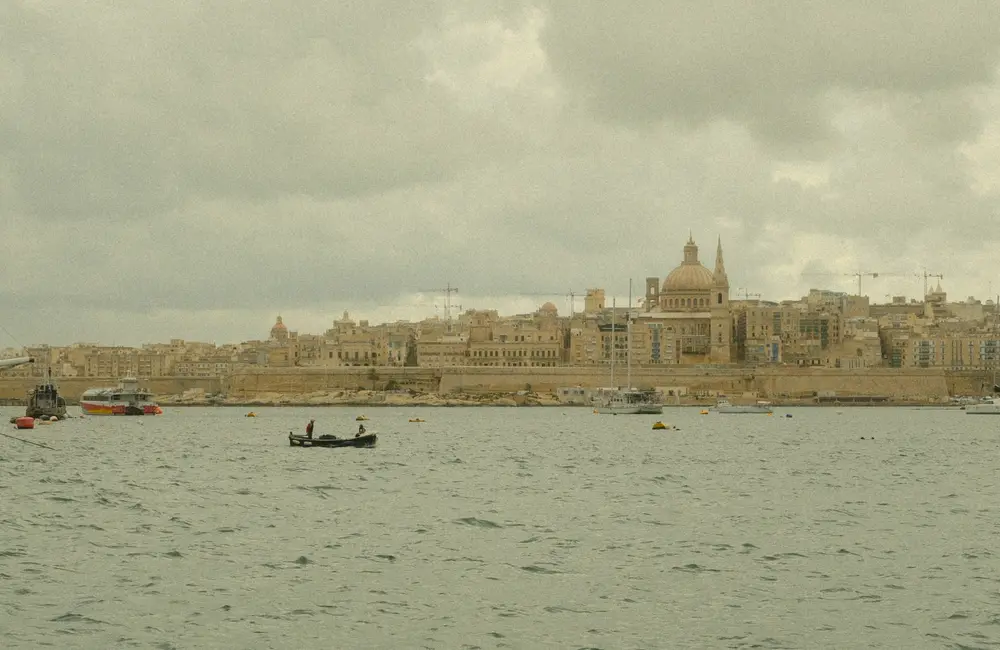
Photo: Valletta, Malta. Illustrative photo: Valentina Bešker / Pexels (Pexels License).