
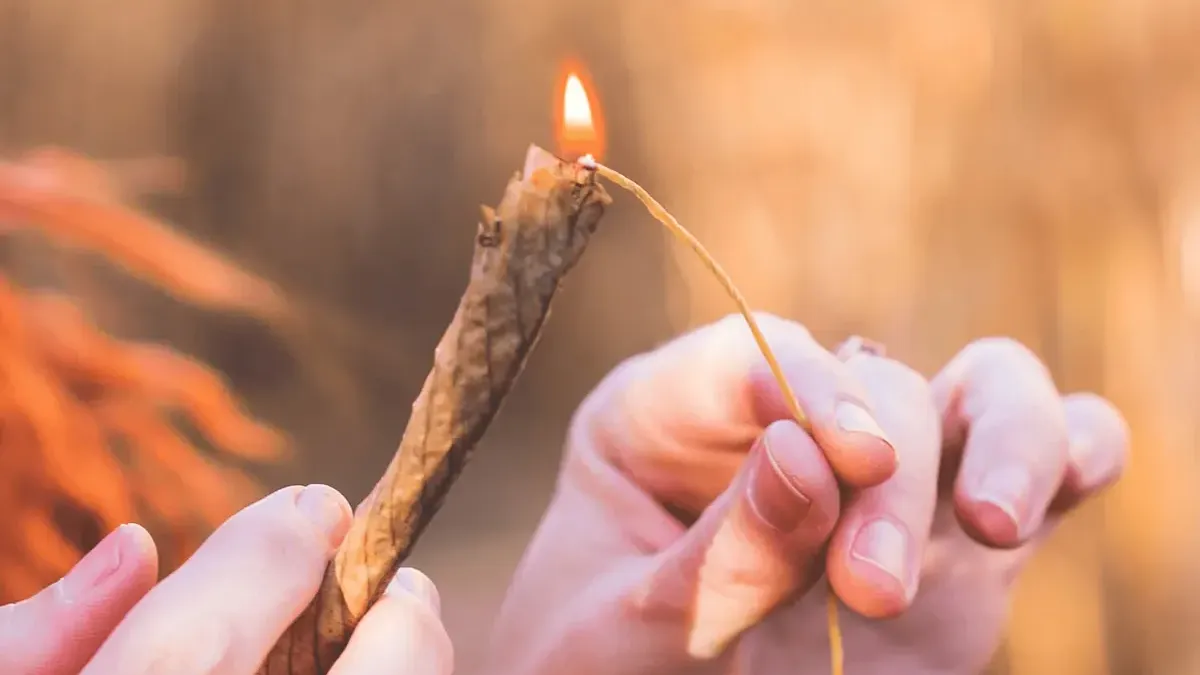
Hemp wick is hemp-fibre cord, usually coated in beeswax. It is lit with a match or lighter, then its small flame is used for lighting a pipe, bong bowl or other combustible material.
People mainly use it for more control without holding a lighter flame directly over the material. Some also prefer the taste.
How does it compare with an ordinary lighter, and what are its actual advantages?
What is hemp wick?
Simply put, it is wax-coated hemp cord.
Hemp fibres form a strong cord. Beeswax supports steadier burning and maintains a small flame once the match or lighter is removed.
The principle resembles a candle wick: the lighter starts the flame, then the burning end is moved to the intended location.
Why use it?
The main difference is control. A lighter has a relatively large flame; wick offers a smaller flame that can be positioned more precisely.
This lets someone light a small area rather than the whole bowl surface. Some call lighting one edge ‘cornering’, leaving the rest untouched.
Does it taste better?
Some users report a more pleasant or less lighter-like taste, possibly because a butane flame is no longer held directly above the bowl after the wick is lit.
Separate preference from evidence. Strong research does not establish that wick makes smoke healthier or removes harmful compounds.
Better taste is therefore a personal preference, rather than a demonstrated health benefit.
Does it burn cooler?
This common online claim is oversimplified.
The flame is usually smaller and less forcefully directed than a lighter or torch flame, which can feel gentler and more controllable.
That does not establish a consistently dramatic temperature reduction. Actual flame temperature varies with fuel, oxygen supply, the part of the flame and other conditions.
The practical distinction is a smaller, more controllable flame, rather than a guaranteed temperature.
Is it healthier than a butane lighter?
Evidence is insufficient for a confident yes.
Efficient butane combustion mainly produces carbon dioxide and water vapour. Real conditions vary, but imperfect combustion does not automatically establish a substantial health advantage for wick.
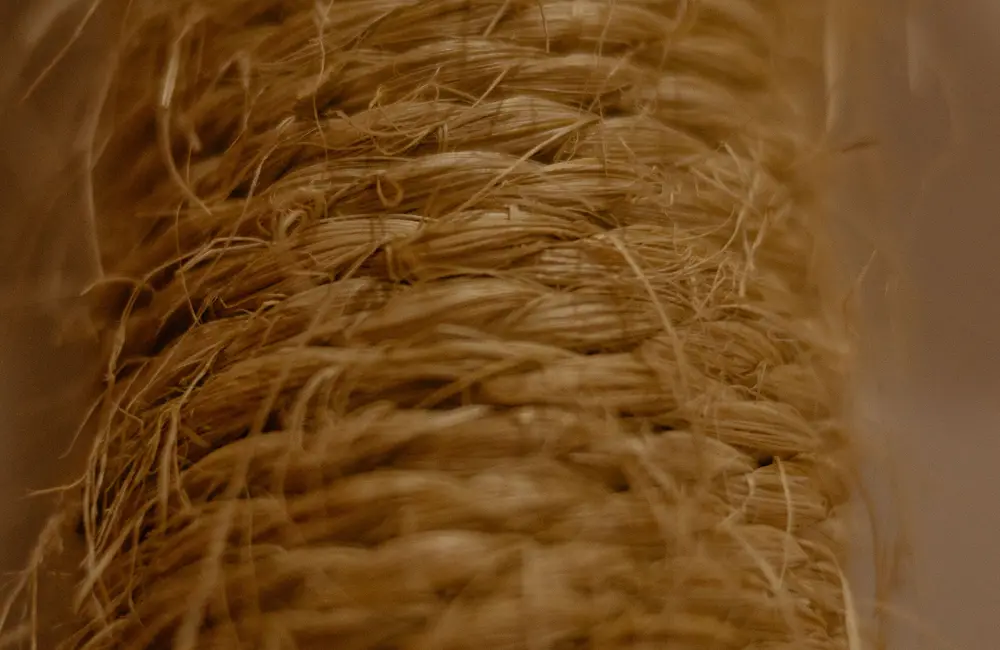
Hemp fibre and wax also burn and generate combustion products. Burning the main plant material still produces smoke regardless of ignition method.
Treat wick as an alternative ignition tool, rather than a health product.
How is it used?
Keep a manageable length and ensure the burning end remains well away from fingers.
Light the end with a match or lighter. Once stable, position the small flame carefully, and extinguish the wick completely afterwards.
Extinguishing matters because wax-coated cord can continue smouldering after the visible flame disappears.
Must it be cut from the roll every time?
No.
Some people wrap wick around a lighter to keep both together.
Enough cord is drawn out, lit and fully extinguished after use. Dedicated holders and dispensers also exist but are not essential.
What should you compare?
Common differences are thickness, length and wax.
Thinner hemp wick
Thinner cord produces a smaller flame for more precise positioning.
It can suit smaller bowls and pipes.
Thicker hemp wick
Thicker cord produces a larger flame and may be less prone to going out. An ordinary medium-thickness beeswax-coated cord is a common general option.
Why beeswax?
Wax acts as fuel and supports slower, steadier burning. Uncoated dry cord can burn rapidly and inconsistently.
It can also soften and become sticky when hot, so avoid direct sunlight and very hot surfaces.
Advantages
The main advantage is precise flame control without keeping a lighter over the bowl. Some users prefer the taste and handling experience.
A roll can last a long time because only a short length is consumed at once.
Drawbacks
It adds a lighting and extinguishing step.
An open or smouldering wick can ignite a table surface, clothing or other combustible materials. Strong wind also makes it less practical. Claims of a ‘cleaner’ experience do not establish risk-free smoking.
Common mistakes
Leaving too much cord hanging makes the flame harder to control.
Failing to extinguish it completely is another problem: an invisible ember may remain. Pushing burning cord into material also defeats the purpose of a controlled flame.
Fire safety
Treat it like a candle or lighter. Never leave it burning unattended, keep it away from paper and textiles, and extinguish it fully every time.
A nearby ashtray or other suitable heat-resistant surface can help extinguish the smouldering end.
When is an ordinary lighter more practical?
A lighter is simpler for quick ignition and often more practical outdoors, especially in wind. Wick mainly appeals to people wanting more precise control in a suitable setting.
Which is better?
There is no universal answer. Lighters are quicker and simpler; wick offers a smaller flame and a different taste or handling preference. Evidence does not establish it as a safer health alternative.
Think of it as a different ignition method with more flame control, rather than something that makes smoking safe.
Summary
Beeswax-coated hemp cord offers a small, controllable flame as an alternative to holding a lighter directly over material. Some users also prefer the taste.
Claims of dramatically lower temperature or healthier smoking require caution. Fire precautions and ventilation remain relevant, but neither ignition choice nor ventilation eliminates smoking’s health risks. Strong evidence for the claimed health advantage is lacking.