
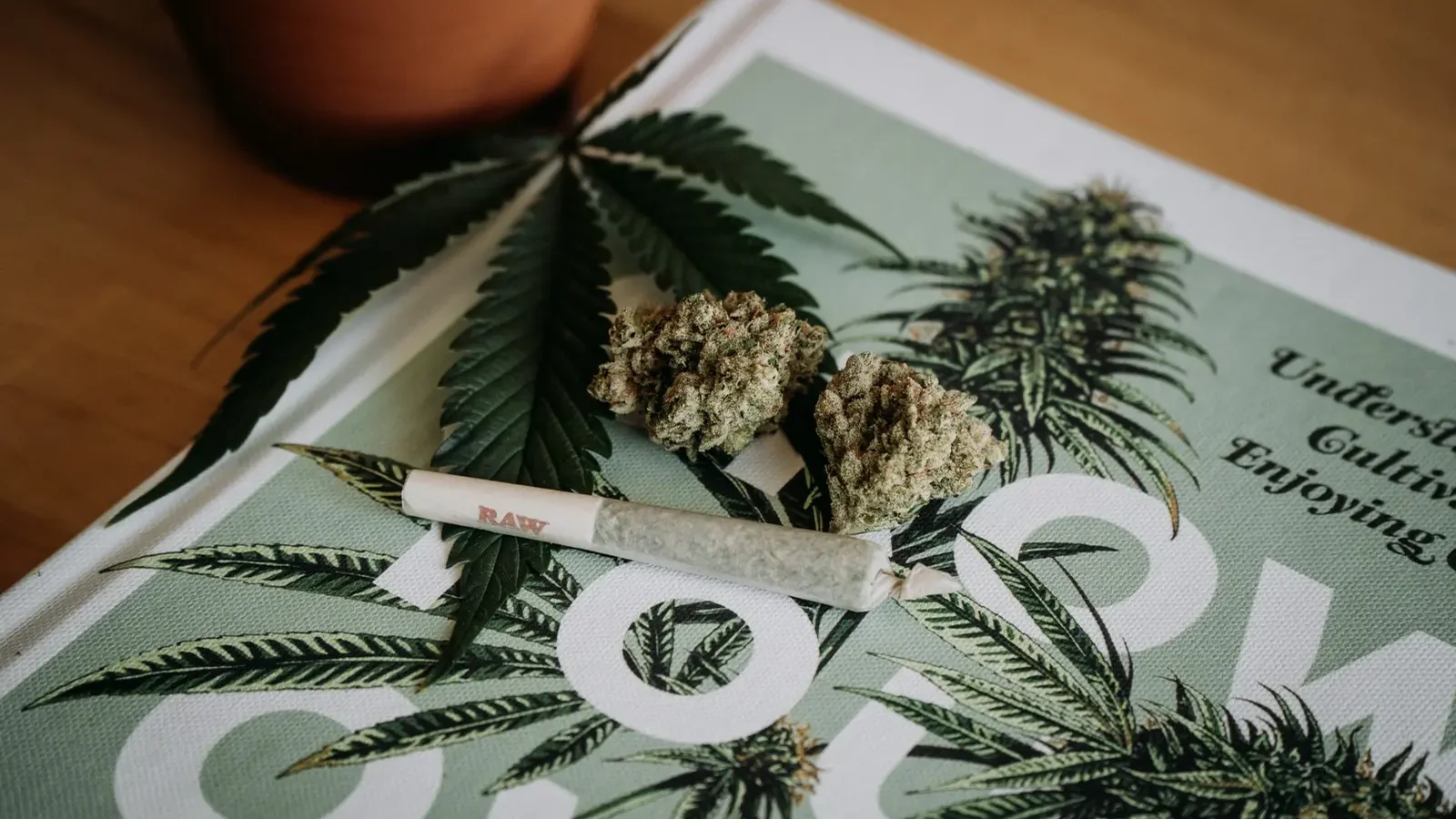
Cannabis is no longer discussed in Estonia only as a niche subculture. It appears in conversations about health, law, business, science and popular culture more visibly than a decade or two ago. Greater visibility does not mean Estonia has legalized cannabis or that public opinion is unanimous.
Public debate has become more varied, distinguishing health risks, medical use, law and culture. Discussions increasingly address specific issues: THC, CBD, medical cannabis, industrial hemp, harm reduction, new cannabinoids and cannabis policy.
Cannabis culture is about more than consumption
The term cannabis culture covers many different things, including:
- music and popular culture associated with cannabis;
- 420 symbolism;
- headshops and smoking accessories;
- CBD and industrial hemp;
- debates about medical cannabis;
- online cannabis communities;
- debates about cannabis policy and legalization;
- science and discussion of health risks.
It is therefore inaccurate to equate cannabis culture simply with increased consumption. Cultural visibility can grow even when laws remain unchanged.
Cannabis is Estonia’s most commonly used illegal drug
Research by Estonia’s National Institute for Health Development (TAI) identifies cannabis as the country’s most commonly used illegal drug. In the 2023 adult drug use survey, 29% of respondents aged 16–64 reported having used cannabis at least once.
The comparable figure was 24% in the 2018 survey. Lifetime experience should not be confused with regular use: trying cannabis once and using it frequently are very different measures.
The findings show that experience with cannabis is not rare in Estonian society. Use is more common among younger age groups, but the subject extends beyond teenagers and very young adults.
Public debate has broadened
A few decades ago, Estonia’s public discussion of cannabis was mainly framed around drug problems and offending. Today the discussion is broader.
Topics now include:
- potential medical uses;
- dependence and mental health;
- road safety;
- possible effects of legalization or decriminalization;
- regulatory models in other countries;
- CBD and other cannabinoids;
- risks associated with synthetic and semi-synthetic cannabinoids;
- industrial hemp uses.
This does not mean society has reached agreement. Regulation remains contested, with questions spanning public health, law enforcement, personal freedoms and the economy.
420 and the influence of international cannabis culture
Contemporary Estonian cannabis culture is shaped partly by influences from abroad. The internet, music, films and social media have brought international symbolism to Estonia. The best-known example is 420.
The number originated in California in the 1970s and became a global symbol of cannabis culture. In Estonia it also appears in events, online communities, memes and cannabis-related initiatives.
April 20, or 4/20, is recognized in Estonian cannabis communities, although it has no official status.
The internet made cannabis culture more visible
One major change has taken place online. Information once circulated mainly among friends and smaller subcultures. Today, cannabis discussions appear on Reddit, Facebook, forums, news sites, YouTube and other social platforms.
This has made information more accessible, while placing research, personal experiences, marketing and misinformation alongside one another. The issue was particularly visible with HHC, THCP and other newer cannabinoids marketed in Europe as legal THC or legal cannabis. Their legal status can differ substantially from the marketing.
Headshops have become more visible
Headshops and accessory stores are another visible part of Estonia’s cannabis culture. A headshop is not necessarily a shop selling narcotic cannabis. Typical products include:
- bongs;
- pipes;
- grinders;
- rolling papers and filters;
- vaporizers;
- hookahs;
- cleaning and storage accessories;
- other smoking accessories.
Estonia has both specialist headshops and broader alternative stores. We list physical locations in our headshop and CBD shop directory.
Physical headshops operate in Tallinn and Tartu, while a range of smoking accessories is also sold online.
CBD brought cannabis to a wider audience
CBD, or cannabidiol, became much more visible in Europe in the late 2010s and the 2020s. Unlike THC, it does not cause the characteristic cannabis high. Our cannabinoid guide explains the differences between CBD, CBG and CBN. CBD’s popularity introduced the subject to new audiences, with products and businesses including:
- CBD oils;
- cosmetics;
- extracts;
- CBD shops;
- other hemp-inspired products.
However, CBD’s legal position is often more complex than advertising suggests. CBD itself is not listed as a narcotic substance in Estonia, but specific products may fall under food, medicine, cosmetics or other regulations.
A CBD label therefore does not automatically mean a product can be sold freely in every form in Estonia.
HHC and newer cannabinoids changed the market
A wave of new cannabinoid products reached Europe in the 2020s. HHC, THCP, THC-O and other compounds were often promoted as alternatives to THC.
Our comparison of THC, HHC and THCP explains their differences and legal position. Their popularity partly reflected gaps between emerging products and regulatory responses: compounds entered the market faster than countries addressed them individually.
Estonia’s framework changed significantly in 2026.
On 14 August 2026, a group covering semi-synthetic cannabinoids, described as cannabinol derivatives, was added to Schedule VI of Estonia’s narcotic and psychotropic substance lists.
The group-based approach regulates a broader range of compounds without relying solely on listing each new substance by name. CBD is excluded from this group. The change illustrates how technical cannabis regulation has become: discussion increasingly concerns specific cannabinoids and derivatives.
Cannabis and medicine in Estonia
Medical use is another important part of the debate. Medical cannabis can mean standardized cannabis material produced for medical use or medicines containing cannabinoids.
In Estonia, medical use does not mean patients can grow cannabis themselves or turn ordinary cannabis into medicine. Cultivation for the purpose of producing a narcotic substance is prohibited.
When medically justified, patients may access standardized cannabis or cannabinoid medicines through regulated pharmaceutical procedures, including the procedure for medicines without an Estonian marketing authorization. This is a different system from a recreational market.
The legal position of cannabis in Estonia
Increased cultural visibility has not turned THC-containing cannabis into an ordinary legal retail product. Handling narcotic and psychotropic substances is generally prohibited outside the purposes allowed by law.
THC is controlled under Estonia’s narcotic and psychotropic substance lists. A separate exception concerns industrial hemp varieties listed in the EU common catalogue whose THC content does not exceed 0.3%.
This does not automatically authorize every product below 0.3% THC or derived from industrial hemp. The substance, product and manufacturing process matter. We explain the framework in our guide to cannabis legality in Estonia.
Is cannabis decriminalized in Estonia?
Estonian law distinguishes, among other things, unlawful handling of small and large quantities, with liability depending on the circumstances. This sometimes creates the mistaken impression that possessing a small amount is lawful.
It is not. The offence category and penalty for a small quantity may differ from those for a large quantity, but that does not make possession or handling for consumption lawful.
Industrial hemp is a separate sector
Discussions of cannabis culture sometimes conflate narcotic cannabis with industrial hemp. Industrial hemp is used for purposes including:
- seed and food oil production;
- textiles;
- building materials;
- fibre products;
- animal husbandry;
- cosmetics.
Eligible EU-listed hemp varieties meeting the 0.3% THC requirement can be grown for agricultural purposes in Estonia. This sector is distinct from a recreational THC market.
Is Estonia’s cannabis culture growing?
No single statistic answers that question. Cannabis has certainly become more visible in public discussion.
TAI’s surveys show increased lifetime cannabis experience among adults compared with the earlier survey. CBD-related businesses, online communities and public debate have also become prominent.
Cultural visibility and the prevalence of use are different things. Neither measure alone establishes a single direction of change in public attitudes towards legalization or cannabis more broadly.
Estonia’s cannabis culture has become more varied
Perhaps the largest change is that cannabis no longer means just one thing in public debate. For some people it primarily means a drug and its health risks.
For others, the subject concerns industrial hemp, CBD or medical use. Others associate cannabis culture with 420 symbolism, music and international popular culture. Meanwhile, public authorities address emerging psychoactive cannabinoids, public health and changes in drug markets.
These developments coexist, making contemporary Estonian cannabis culture difficult to describe from a single perspective.
What might change in the future?
Several factors are likely to influence how cannabis culture develops in Estonia.
Policy changes abroad and other countries’ experiences quickly enter Estonia’s public discussion.
New cannabinoids and products also require responses from health and regulatory authorities, while medical research continues. Estonia’s future model depends on political decisions and legislation. The country has not currently legalized a recreational cannabis market.
Key points
Changes in Estonia’s cannabis culture are about more than consumption. They concern visibility and the range of contexts in which cannabis is discussed.
Cannabis remains Estonia’s most commonly used illegal drug, while contemporary cannabis-related topics include CBD, industrial hemp, medicine, headshops, 420 culture, online communities and rapidly changing cannabinoid markets.
The legal distinction remains important: narcotic THC-containing cannabis has not been legalized for recreational use in Estonia in 2026. Cultural change, prevalence of use and legality are separate questions.
Primary sources for the legal background
State Agency of Medicines: change effective on 14 August 2026; explanations and examples of substance groups; annex to the regulation in Riigi Teataja (PDF).
Sources
- State Agency of Medicines: change effective on 14 August 2026
- Explanations and examples of substance groups
- Annex to the regulation in Riigi Teataja (PDF)
National Institute for Health Development: Estonian adult drug use survey 2023