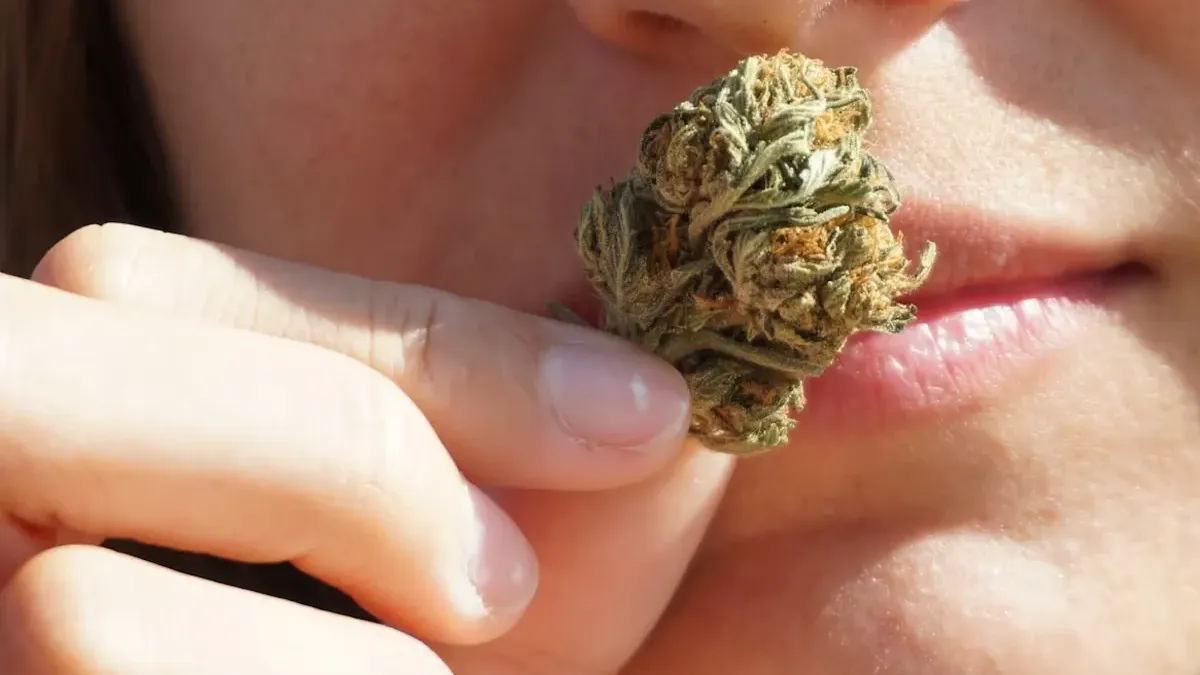
THCA, or tetrahydrocannabinolic acid, occurs naturally in cannabis, particularly fresh or unheated flower and extracts. It differs chemically from delta-9-THC but can partly convert to THC when heated. Its legal position cannot therefore be assessed from a marketing name alone.
This distinction helped THCA products gain popularity where laws focused on delta-9-THC. Estonia’s position changed substantially in August 2026.
What is THCA?
It is the acidic precursor of THC. Fresh cannabis contains much of its potential THC as THCA, which does not usually produce intoxication comparable with delta-9-THC by itself.
Heating during smoking, vaporization or food preparation causes decarboxylation, converting some THCA to THC. High-THCA flower can therefore produce substantial THC even when its initial delta-9-THC measurement is low.
What is total THC?
Total potential THC accounts for existing delta-9-THC and the amount potentially formed from THCA. A common calculation is total potential THC = delta-9-THC + (0.877 × THCA). The factor reflects molecular-weight differences. For example:
THCA: 20%
delta-9-THC: 0.2%
Approximate total potential THC would be 0.2 + (20 × 0.877) = 17.74%. Describing this product only as ‘0.2% delta-9-THC’ would poorly convey its potential after heating.
Why do 0.2% or 0.3% thresholds not mean unrestricted European sales?
Claims that a product is legal solely because THC is below one of these thresholds are oversimplified.
Such thresholds have historically concerned industrial hemp cultivation and agricultural rules. They do not automatically authorise every low-THC flower, extract or product throughout the EU.
National drug legislation, food and medicine rules and other restrictions can apply to finished products. The same product can be permitted, restricted or prohibited in different countries.
Is THCA legal in Estonia?
On 14 August 2026, an amendment added a group described as semisynthetic cannabinoids, or cannabinol derivatives, to Schedule VI, clarifying the position.
The State Agency of Medicines’ examples expressly include THCA-A and THCA-B, alongside THCV, THC-O and several other newer-market compounds.
The agency explains that production, marketing, distribution and use of individually listed substances or defined groups are prohibited outside statutory controlled purposes.
The statement ‘THCA is not THC’ therefore no longer establishes a THCA product’s legality in Estonia.
Low existing delta-9-THC or a foreign laboratory certificate is also insufficient. THCA-A and THCA-B are expressly covered by the agency’s examples.
Why was THCA marketed as ‘legal cannabis’?
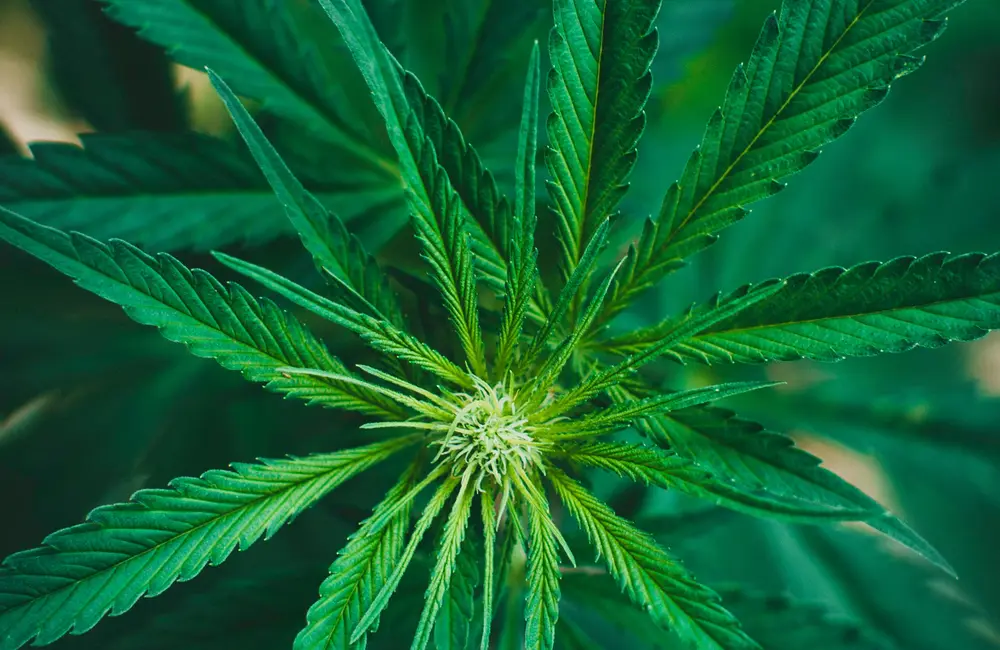
The US market helped drive popularity of high-THCA flower with low pre-existing delta-9-THC, emphasising their chemical distinction.
The distinction is real, but heating during smoking or vaporization converts THCA to THC, potentially producing effects similar to conventional high-THC cannabis.
A laboratory sheet could therefore show low delta-9-THC despite high potential THC. US rules and interpretations cannot automatically be applied in Europe.
Does THCA itself cause a high?
It is not considered intoxicating in the same way as delta-9-THC, a key pharmacological and chemical distinction.
What happens to the product matters: heating converts some THCA, so heated high-THCA material can have very different effects from the same material unheated.
Are THCA and THC the same substance?
No. They are different compounds.
THCA is an acidic precursor and THC is a product of its decarboxylation. Their close relationship makes assessing high-THCA flower solely by pre-heating delta-9-THC misleading.
This is why both values can matter in laboratory reports.
What should a laboratory report show?
A certificate does not itself establish legality, but can still provide important composition information.
Check at least:
THCA content; existing delta-9-THC; total THC if reported; and the laboratory and analysis date. An old or untraceable report may not describe the batch being sold.
Contaminant tests also matter: mould, pesticides, heavy metals and residual solvents can be at least as important as cannabinoid percentages. Names on alternative-cannabinoid packaging may not precisely describe actual contents.
What about other European countries?
No single sentence captures THCA’s status throughout Europe. There is no uniform rule automatically authorising or prohibiting every THCA product across member states.
Countries use differing schedules, thresholds, analytical methods and classifications. Product form—flower, extract, food, cosmetic or another category—can also matter.
‘EU legal’ can therefore mislead. Sale in one European country does not establish permission to sell, import or use it in Estonia.
THCA, THC and THCV are different
Similar names add to the confusion.
THC is cannabis’s best-known intoxicating cannabinoid.
THCA is its acidic precursor, while THCV is a separate cannabinoid with a different structure and effect profile. See ‘THC, THCA and THCV: What Is the Difference?’.
Estonia’s position changed in 2026
Earlier in 2026, debate left more room for interpretation over existing delta-9-THC versus potential total THC after decarboxylation.
The amendment effective on 14 August 2026 changed that position.
THCA-A and THCA-B now appear explicitly among the agency’s Schedule VI cannabinol-derivative examples.
The old argument ‘THCA is not THC, so it is legal in Estonia’ no longer describes the framework.
Summary
THCA illustrates the interaction of chemistry, marketing and law. It differs from delta-9-THC, but heating can convert it and give high-THCA cannabis substantial intoxicating potential.
Since August 2026, Estonia’s scheduling examples expressly include THCA-A and THCA-B. Neither a low delta-9-THC percentage nor chemical distinction alone establishes legality.
European rules remain fragmented. This is general information rather than legal advice: requirements can change, and a particular product or case needs assessment against current law and competent-authority guidance.