
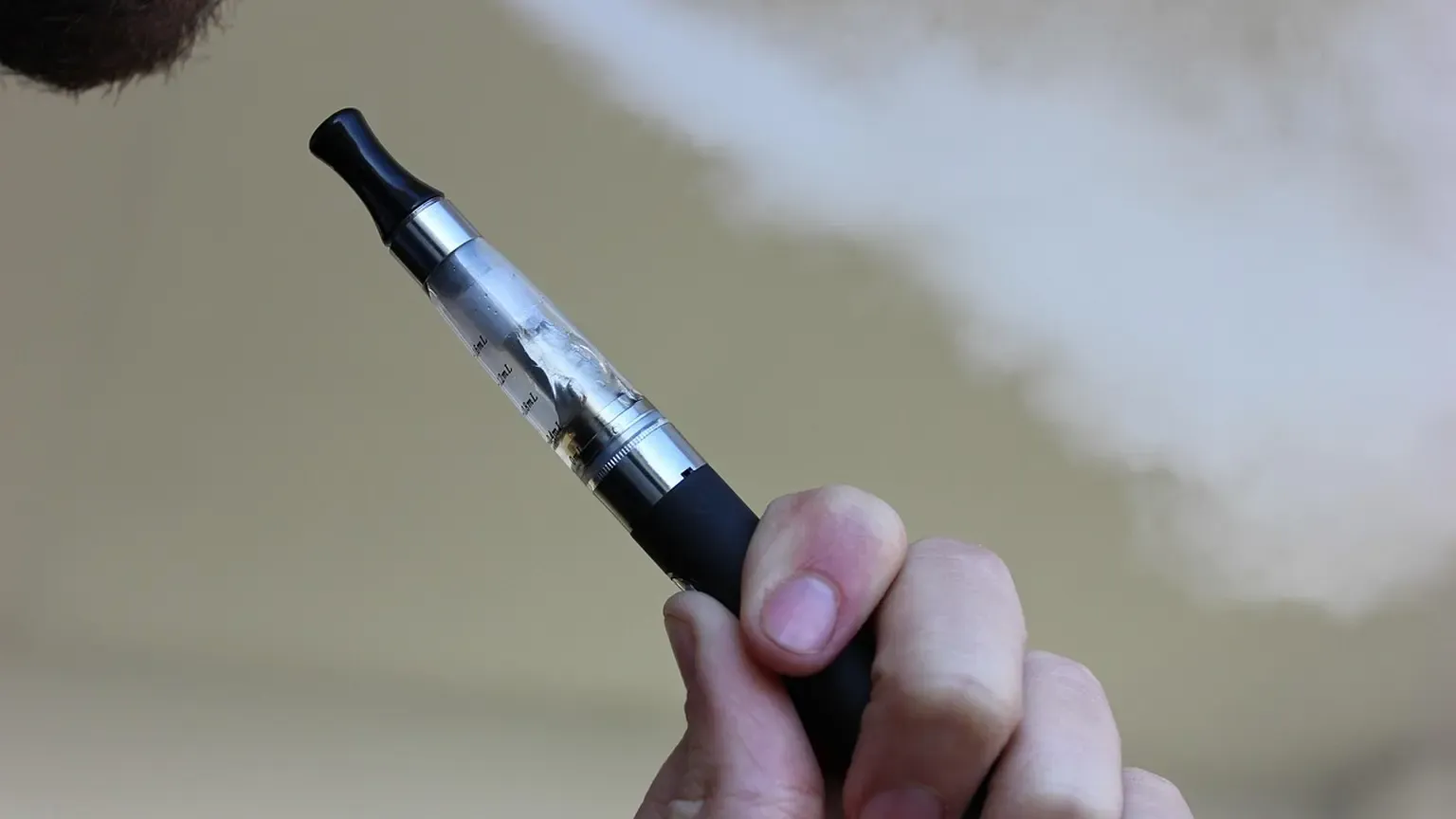
A laboratory test by vaporizer manufacturer PAX measured levels of several harmful combustion-related compounds in its devices’ aerosol that were up to 99% lower than in joint smoke. This concerns emissions under particular laboratory conditions, not a matching percentage reduction in disease risk. As the test is linked to the manufacturer, generalisation requires caution.
The study compared joint smoke with aerosol from the PAX FLOW dry herb vaporizer and PAX TRIP oil vaporizer. It reported substantially lower levels of several toxic combustion-related compounds, including benzene, formaldehyde and acetaldehyde.
The company conducting and publishing the study has a direct commercial interest in vaporizer sales. The test also did not cover every cannabis variety, device or operating temperature.
Combustion creates the main difference
Burning cannabis can reach temperatures above 900 °C. At these temperatures, pyrolysis and oxidation produce numerous potentially harmful compounds.
Many are also found in tobacco smoke, wood smoke and vehicle exhaust, rather than being unique to cannabis.
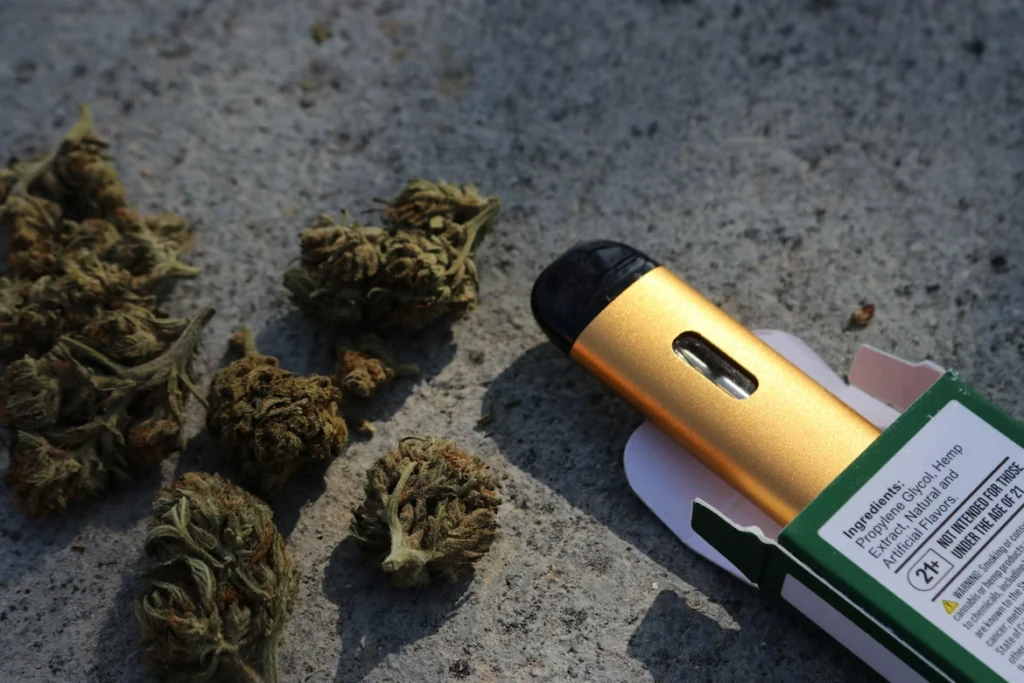
Dry herb vaporizers operate at much lower temperatures, commonly around 160–230 °C, aiming to release cannabinoids and terpenes without burning plant material.
Dry-herb devices, concentrate devices and their spare parts are different product groups. Findings about a specific device or test temperature should not be generalized to every vaporizer.
Avoiding combustion is the main reason vaporization produces fewer combustion-related by-products.
Sixteen potentially harmful compounds examined
The study focused on harmful and potentially harmful constituents, or HPHCs.
These included:
- benzene;
- toluene;
- p-xylene;
- formaldehyde;
- acetaldehyde.
Such compounds are associated with respiratory and lung damage and increased cardiovascular and cancer risks, among other effects.
The aim was to compare the chemical emissions of burning cannabis with those of dry herb vaporization as directly as possible.
How was the test conducted?
Smoke samples used a cannabis variety called Lemon Cake Batter. Joints contained 750 milligrams of ground flower, with packing density standardised for comparison.
They were smoked under laboratory conditions until the burn line reached the filter.
PAX Flow dry herb devices were used for aerosol collection. Each held approximately 0.3 grams of the same flower, with four devices and multiple sessions used to collect sufficient material.
Smoke and aerosol passed through Cambridge filters, followed by methanol traps at −78 °C to collect the gaseous fraction. This was a collection method, not the storage temperature of all material.
The authors said they used closely matched puffing protocols to support comparison and approximate realistic inhalation conditions.
Up to 99% lower levels of selected compounds
The test measured 16 harmful or potentially harmful compounds. Some were up to 99% lower in vaporizer aerosol than joint smoke. That percentage describes particular measured chemicals, rather than a uniform reduction in every substance or a 99% reduction in health risk.
Differences were especially large for combustion markers, including aromatic hydrocarbons and aldehydes.
Qualitative analysis also identified approximately 189 compounds in joint smoke, including substances familiar from cigarette smoke such as ethylbenzene, styrene, p-cresol and m-xylene.
Some collected smoke material formed a partly insoluble residue, which the researchers considered potentially derived from incompletely burned plant material.
Fewer secondary compounds were identified in the vaporizer aerosol. Cannabinoids and mono- and sesquiterpenoids, associated partly with cannabis aroma and flavour, predominated among detected substances.
Authors: combustion is the main source of toxic by-products
The authors interpreted the findings as showing that combustion is the main reason numerous toxic by-products occur in inhaled smoke.
They concluded that dry herb vaporization may reduce exposure to many harmful combustion products by heating flower to release active compounds rather than burning it.
This does not make vaporization entirely risk-free. The study mainly compared chemical composition and did not assess long-term health outcomes.
Important limitations
The authors acknowledged using only one variety and a limited set of preselected harmful compounds.
They suggested future comparisons covering:
different varieties, more temperatures, different devices and a broader range of chemical compounds.
PAX itself prepared and funded the study. According to the company’s explanation, it has not undergone independent peer review or replication by external researchers. PAX’s commercial interest does not erase measured chemical differences, but independent replication is needed.
The broad conclusion is consistent with earlier research suggesting that lower-temperature heating generally produces fewer combustion-related toxic compounds than direct burning.
Overall, the test suggests dry herb vaporization may substantially reduce exposure to many harmful combustion products. A single manufacturer-funded study cannot establish that vaporization is safe or risk-free.
The potential harm-reduction advantage is understandable: without burning plant material, fewer combustion-related toxic by-products form. US reform organisation NORML also highlighted the differences in PAX’s test. This can inform consumers, while long-term human health outcomes require separate study.