
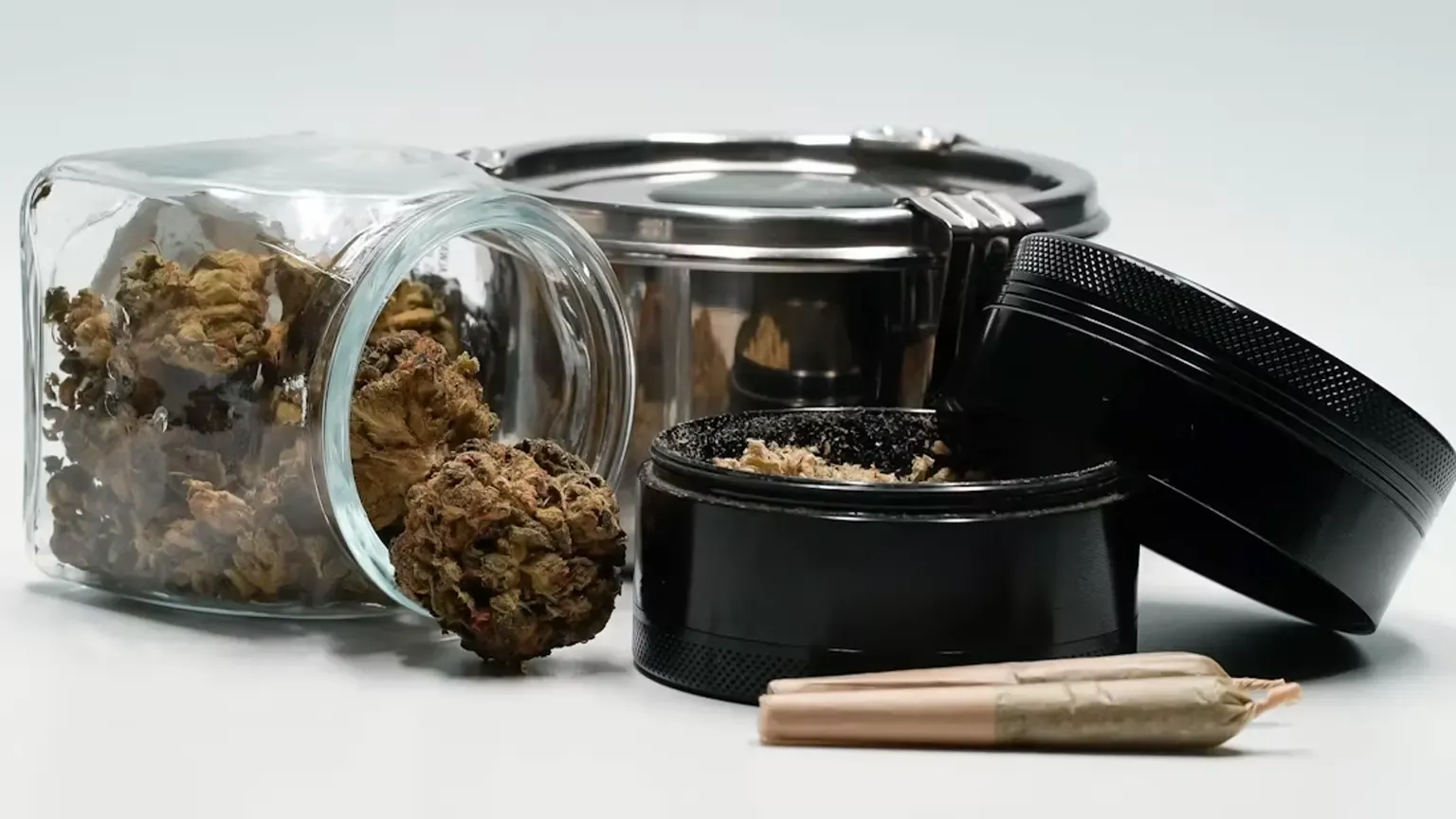
Various cannabinoids were previously marketed in Estonia and Europe as ‘legal alternatives’ to THC. That claim does not establish legality in Estonia or safety. HHC was followed by THCP, THC-O, THCV, THCB and many other abbreviations, often developing faster than legislation.
In August 2026, Estonia changed its approach. Instead of listing each new substance separately, it added an entire semisynthetic cannabinoid group to Schedule VI of narcotic and psychotropic substances.
The amendment took effect on 14 August 2026. New THC-like compounds falling within the defined chemical structure may therefore already be controlled when they enter the market.
Why control an entire group?
New THC-like compounds have appeared rapidly in Europe in recent years.
Semisynthetic cannabinoids became more widely available in Europe in 2022, often marketed as legal cannabis or THC alternatives. By the end of 2024, 24 different semisynthetic cannabinoids had been identified on the European drug market.
The problem was straightforward: after one substance was prohibited, a producer could alter its molecule slightly and introduce another similar compound.
Estonia’s previous system therefore required continual catch-up.
Schedule VI now includes a chemically defined cannabinoid group. The aim is to let police, customs and other authorities respond more quickly to new compounds that may not yet be individually named in legislation.
Which cannabinoids are covered?
The State Agency of Medicines gives examples including:
- THC-O: delta-8-THC-O and delta-9-THC-O;
- delta-8-THC-C8 and delta-9-THC-C8;
- THCB and THCBO;
- THCV, including delta-9-THCV and delta-8-THCV;
- THCVO;
- THCA-A and THCA-B;
- HHCP-O, also called HHC-P-O-A;
- the dimethyl analogue of THCH.
This is not a closed list limited to those names. Schedule VI defines a structural group of cannabinol derivatives, so authorities may not need to wait for an individual compound’s name to be added.
That is the central feature of the 2026 amendment.
THCA and THCV can be particularly confusing
Some examples may surprise readers familiar with cannabis. THCV occurs naturally and has long been described as a less common phytocannabinoid. Nevertheless, the agency now includes it among examples in the new Schedule VI group. THCA is similarly notable.
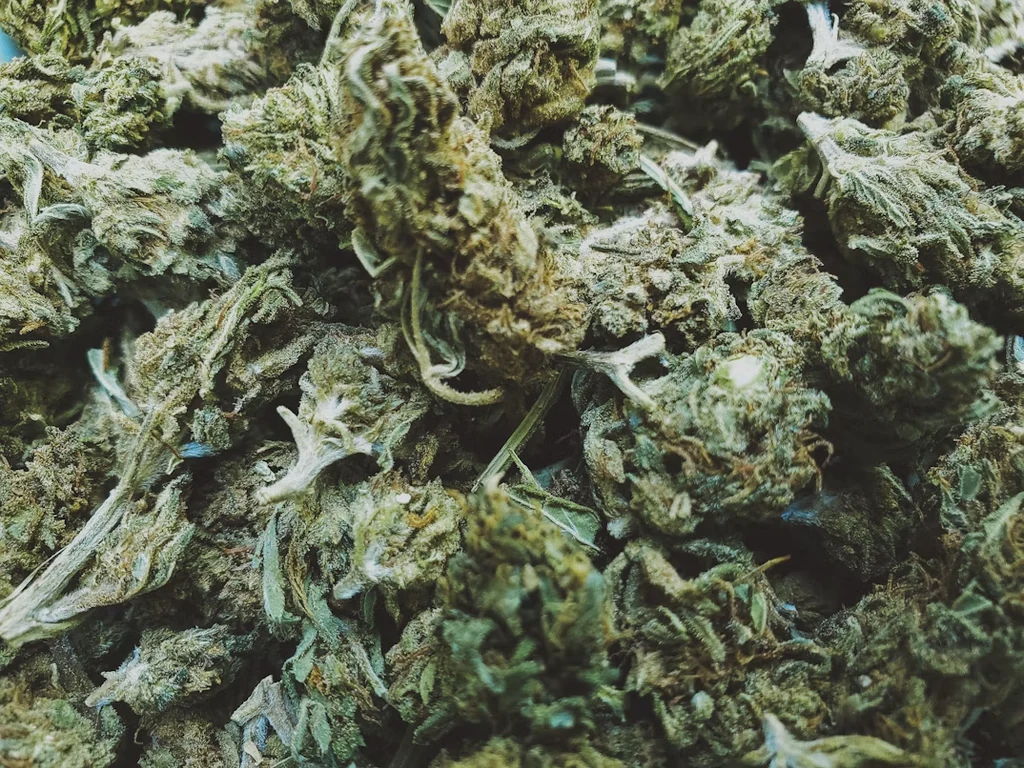
THCA, or tetrahydrocannabinolic acid, is a naturally occurring THC precursor. Heating converts part of it to THC through decarboxylation.
Particularly in the US, ‘THCA flower’ has been sold in some jurisdictions as legal cannabis because delta-9-THC is low when tested, even though heating can generate substantial THC.
That marketing does not establish legality in Estonia. The agency’s current examples include THCA-A and THCA-B.
Our article ‘THC, THCA and THCV: What Is the Difference?’ explains their properties and distinctions.
What about CBD?
CBD, or cannabidiol, is expressly excluded from the new group. The August 2026 amendment did not make CBD itself a narcotic substance.
This does not automatically permit every CBD-labelled product for sale or use. Other rules can apply depending on whether it is a food, cosmetic, medicine or smoking product.
The new controls concern the particular cannabinoid group added to the narcotic and psychotropic substance schedules.
Why are these substances considered risky?
Human research is very limited for many new cannabinoids. Products can reach the market before potency, adverse effects and interactions are properly understood.
The Ministry of Social Affairs identifies risks including poisoning, anxiety, mental health disorders and abnormal heart rhythms.
The wide range of product forms complicates matters. In Europe, such compounds have appeared in e-liquids, sprayed flower, herbal mixtures, resin-like products and even gummies and chocolates.
Consumers may therefore not know which cannabinoid a product actually contains or in what amount.
Can they still be ordered from abroad?
A Polish, Czech, Dutch or other foreign shop selling a ‘legal cannabinoid’, ‘legal THC alternative’ or ‘hemp-derived’ product does not establish that it can be ordered into Estonia. Estonian controlled-substance rules apply.
Prohibited activities involving the new group include possession, supply, consumption, manufacture, storage, import and export, subject to statutory exceptions.
Be particularly cautious when a foreign retailer describes legality solely by reference to its own country.
Did this begin with HHC?
HHC was among the first newer cannabinoids to become widely available in Europe and attract substantial official attention. Estonia prohibited it earlier.
Further variants and derivatives followed, repeating the pattern of one prohibited compound being replaced by another.
The 2026 amendment aims to move beyond that cycle. Instead of drafting a new prohibition for every four- or five-letter abbreviation, it controls a structurally defined group.
What does this mean for consumers?
Do not assume a substance is legal simply because it is not conventional delta-9-THC. Foreign packaging claims such as ‘legal’, ‘hemp’ or ‘EU legal’ are even less reliable.
Check whether the substance falls within Estonia’s schedules or a defined group within them.
Since 14 August 2026, that is especially important for newer THC-like cannabinoids.
Summary
Estonia made a significant regulatory change in August 2026. Instead of mainly listing new semisynthetic cannabinoids one by one, Schedule VI now covers a whole group of cannabinol derivatives.
Agency examples include THCV, THCA, THCB, THC-O, HHCP-O and others. CBD is specifically excluded from this new group.
The intention is to avoid necessarily waiting months for a separate prohibition whenever another slightly modified THC-like compound appears.
For consumers, the old assumption ‘it is not THC, so it must be legal’ does not work in Estonia.
Sources
State Agency of Medicines notice on the 14 August 2026 amendment; substance group explanations and examples; regulation annex in Riigi Teataja (PDF).