
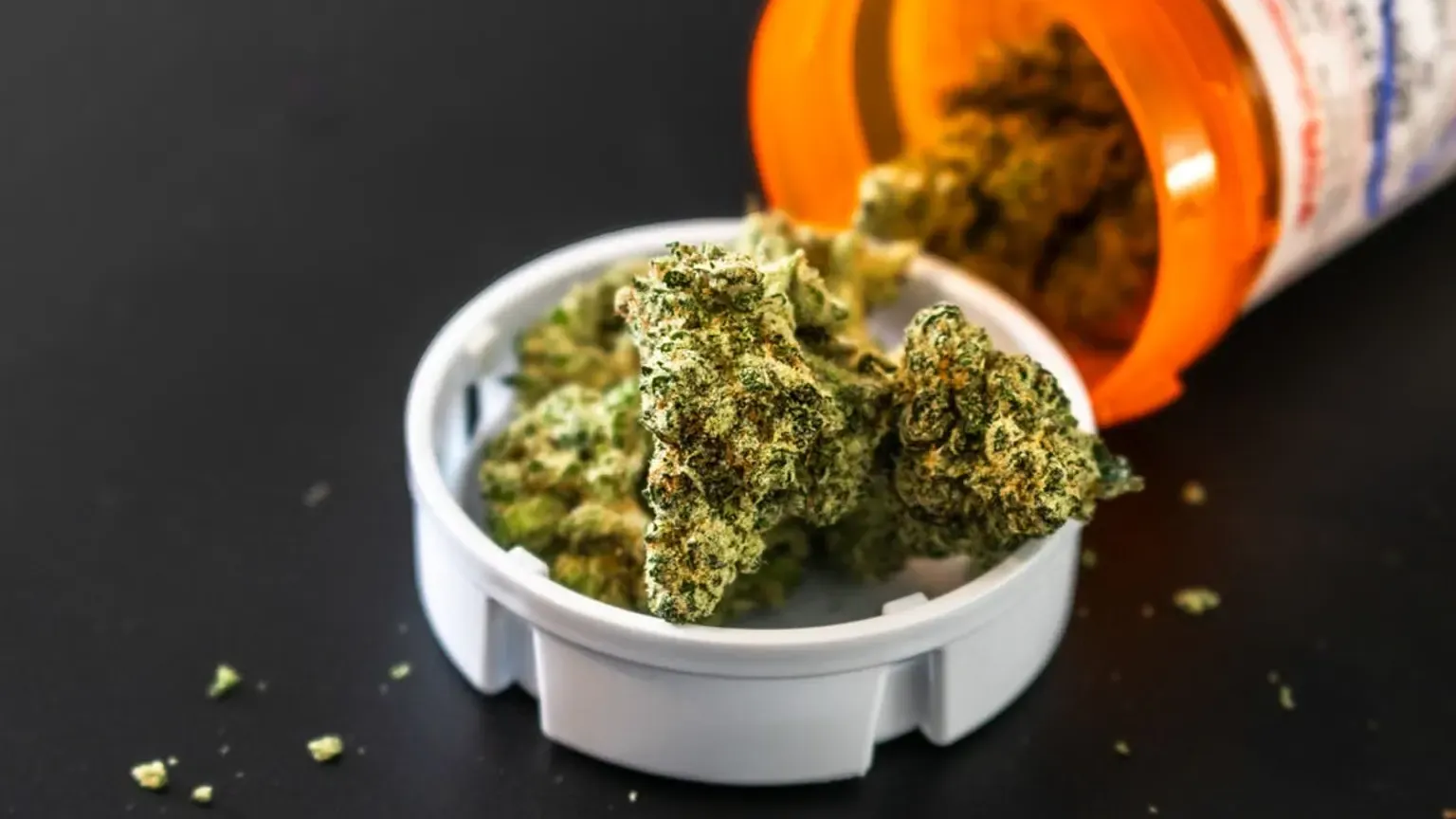
Preliminary results from a Swiss cannabis study found no increase in participants’ frequency of use, but a change in consumption methods. These findings concern the study participants, rather than automatically applying to Switzerland’s population. Among people with access to regulated pharmacy cannabis, the proportion using cannabis exclusively by smoking fell from 78% to 58% over six months.
The SCRIPT study, run by the Universities of Bern and Lucerne, follows 1,177 adults in Bern, Biel and Lucerne. They were regular users before enrolment, so the trial does not test whether legal sales encourage new people to try cannabis.
SCRIPT, the Safer Cannabis Research In Pharmacies randomized controlled Trial, examines how tightly regulated nonprofit sales affect existing users’ behaviour and health.
Unlike many earlier policy studies, it uses a randomised controlled design. A group of 588 received immediate access to participating pharmacies, while 589 controls continued obtaining cannabis through their previous channels for six months before also gaining pharmacy access.
Frequency of use did not increase
One notable finding concerned how often participants used cannabis.
At baseline, practically all participants used it daily or at least weekly. Six months later, changes in both groups were small, with no indication that legal pharmacy access had increased frequency.
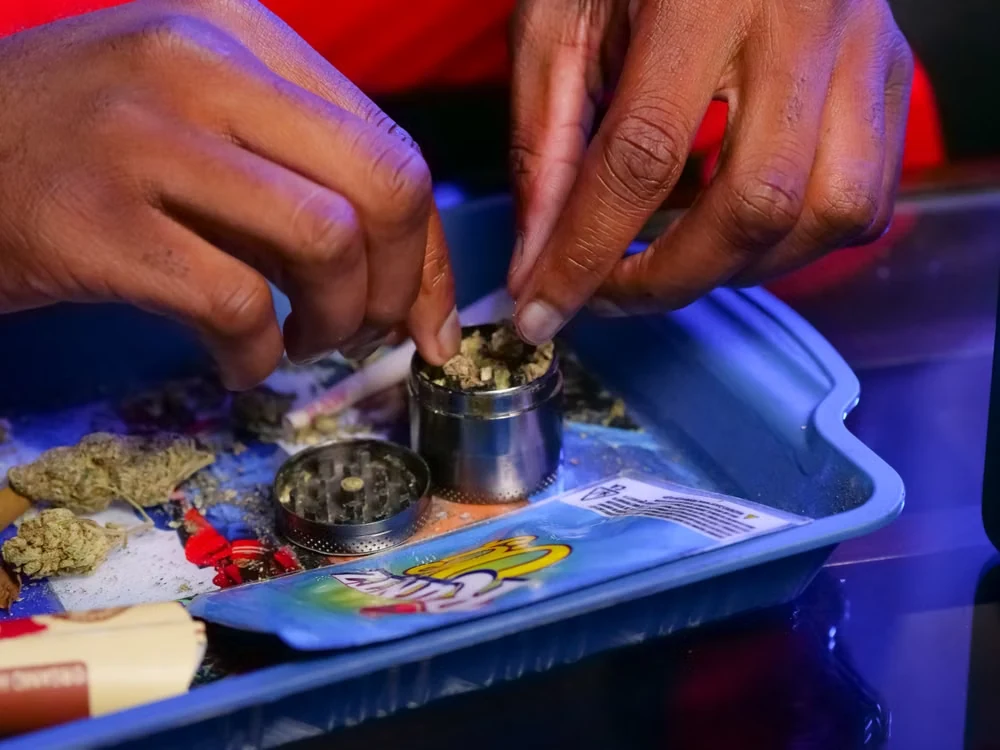
This distinguishes two questions often conflated in policy debate: how often people use cannabis, and how they use it.
The groups differed much more on the second question.
Exclusive smoking fell from 78% to 58%
Initially, 78% of the immediate-access group reported exclusively smoking cannabis, compared with 82% of controls.
After six months, the pharmacy group’s figure was 58%, while the control group changed only slightly.
More pharmacy participants instead used vaporization, oral products or a combination of these methods and smoking. The authors considered the between-group difference likely related to regulated pharmacy access.
This does not make vaporization or oral use risk-free. The study considers them primarily as potentially less harmful alternatives to inhaling combustion smoke. Moving away from smoking is a central SCRIPT research objective.
Pharmacies offered flower, hashish, e-liquids and tinctures
SCRIPT involves more than putting an ordinary cannabis range behind a pharmacy counter.
The system is deliberately strict: THC content is capped at 20%, advertising is prohibited and plain packaging carries standardised health warnings.
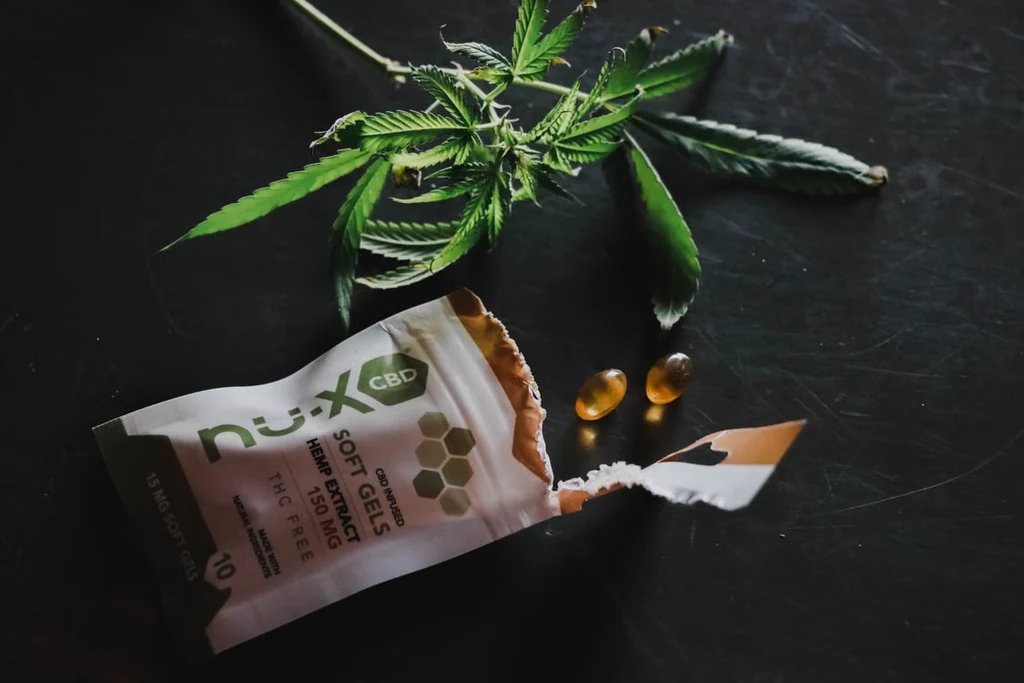
A purchase can contain at most 2 grams of pure THC, with a monthly limit of 10 grams of THC. Alongside flower and resin, or hashish, products include THC e-liquids and oral tinctures.
Pharmacy staff receive training on lower-risk methods, smoking cessation and possible health risks of cannabis use.
Flower remained the most popular product
Alternative options did not mean people stopped using flower.
During the first two years, flower accounted for approximately 65% of sales, THC e-liquids for 21%, resin for 11% and tinctures for 3%.
Pharmacies sold roughly 98 kilograms of flower, 17 kilograms of resin and almost 13 litres of e-liquid during that period.
By the six-month survey, 61% of the pharmacy group had tried the study’s THC e-liquids and 24% its tinctures at least once. THC flower had been used by 87%.
The change therefore appears to involve adding alternatives or replacing some smoking, rather than abandoning flower altogether.
Regulation did not eliminate illicit supply
Legal access did not lead participants to stop using the illegal market completely.
At six months, 51% of respondents with pharmacy access reported using study-supplied smokable cannabis in the preceding seven days, while 40% used illicitly sourced smokable products. These are proportions of people, not market shares by quantity. One person could use both sources. For vaporized products, the corresponding figures were 24% for study products and 5% for illicit products.
This was not entirely unexpected: SCRIPT was not designed to compete with illegal supply through price or marketing.
Instead, the Swiss model deliberately tests a tightly regulated approach.
Prices are deliberately relatively high
Study prices start from Swiss illegal-market prices and add a simulated tax. This varies with factors including THC content and product type, putting some products above the illicit-market average.
Revenue helps fund pharmacy counselling. The model deliberately tests responses to a system in which legal products need not be cheaper than illegal alternatives.
The authors emphasise that SCRIPT does not aim to make cannabis as attractive as possible or maximise legal sales.
This distinguishes it from more commercial models where private businesses compete for customers, market share and profit.
Most participants were satisfied with pharmacy purchases
After six months, 87% of the regulated-access group described buying cannabis at a pharmacy as a pleasant experience.
71% were satisfied with staff counselling and 79% considered privacy and anonymity adequately protected. Of 546 respondents, 390, or 71%, said they had shared pharmacy harm-reduction information with others.
Interviews highlighted consistent quality, precise composition information and the ability to buy legally in a predictable setting.
Staff feedback was also largely positive. The report described customers as generally friendly, patient and well informed. Some staff said direct contact had changed earlier prejudices.
Illicit-market samples revealed another issue
One particularly interesting part of SCRIPT concerns cannabis obtained outside pharmacies.
Participants were asked to submit illicit-market samples. The University of Bern’s Institute of Forensic Medicine analysed 127 samples: 104 flower samples, 21 hashish samples and two liquids or oils.
Nine showed indications of synthetic cannabinoids: seven hashish samples, one flower sample and one e-liquid.
Another striking problem was how little participants knew about potency.
For 69 samples, participants’ THC estimates were compared with laboratory results. Only one person estimated the THC content exactly.
27 underestimated potency and 41 overestimated it. Errors reached 24 percentage points in either direction.
This illustrates a distinction between regulated and uncontrolled supply: accurate legal labelling can at least tell a person what they are buying and its potency.
Promising findings, but an unfinished study
An important limitation applies to interpretation.
The September 2026 document is an interim report whose principal results have not yet undergone journal peer review, as the authors explicitly state. Randomisation provides a relatively strong basis for assessing changes among existing users, but cannot answer every legalisation question.
Minors and people who did not already use regularly were excluded. The trial cannot establish effects of nationwide regulation on young people’s initiation, population-wide prevalence or the entire illegal market.
The authors say those questions require considering SCRIPT alongside other Swiss pilots and international evidence.
Switzerland is collecting evidence before broader decisions
SCRIPT is one of several regulated-sales pilots. Switzerland established their legal basis in 2021 so different models could be studied under controlled conditions with actual users.
SCRIPT pharmacy sales have been extended to 31 October 2028, with follow-up continuing until 2029. Further analyses will examine tobacco use, lung-related risk factors and longer-term changes between consumption methods.
The first six months nevertheless offer a clear signal: controlled products and alternative methods did not increase frequency in this trial, while some existing users moved away from smoking or exclusive smoking.
What a similar system would mean for the whole population remains a broader question that the Swiss pilots aim to explore over the coming years.