
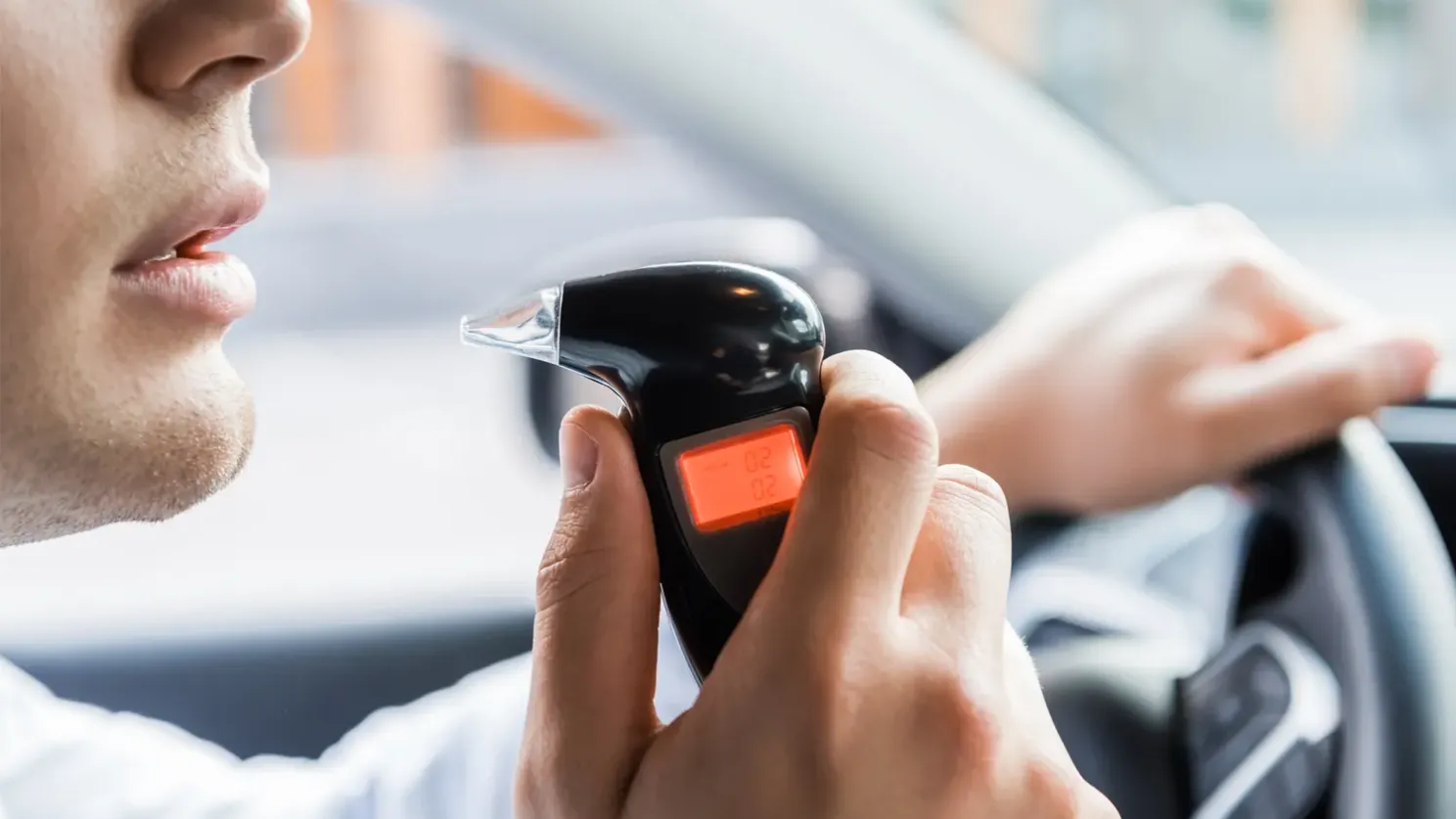
Detecting THC in a sample and assessing impairment are different tasks. Our guide to how long cannabis remains in the body (in Estonian) covers detection windows. Research from the US National Institute of Standards and Technology, NIST, in 2024 and 2025 explains why cannabis breath results cannot be interpreted as simply as alcohol breathalyser readings.
What does one THC sample establish?
A measurement may detect THC, but a single result may not clearly distinguish recent use from earlier exposure. NIST reported in 2024 that regular users could have similar breath THC levels on a non-use day and an hour after consumption.
That does not make chemical analysis worthless. The question is what a particular sample supports: presence of a substance, approximate timing of use and fitness to drive are different measures.
Why investigate repeated measurements?
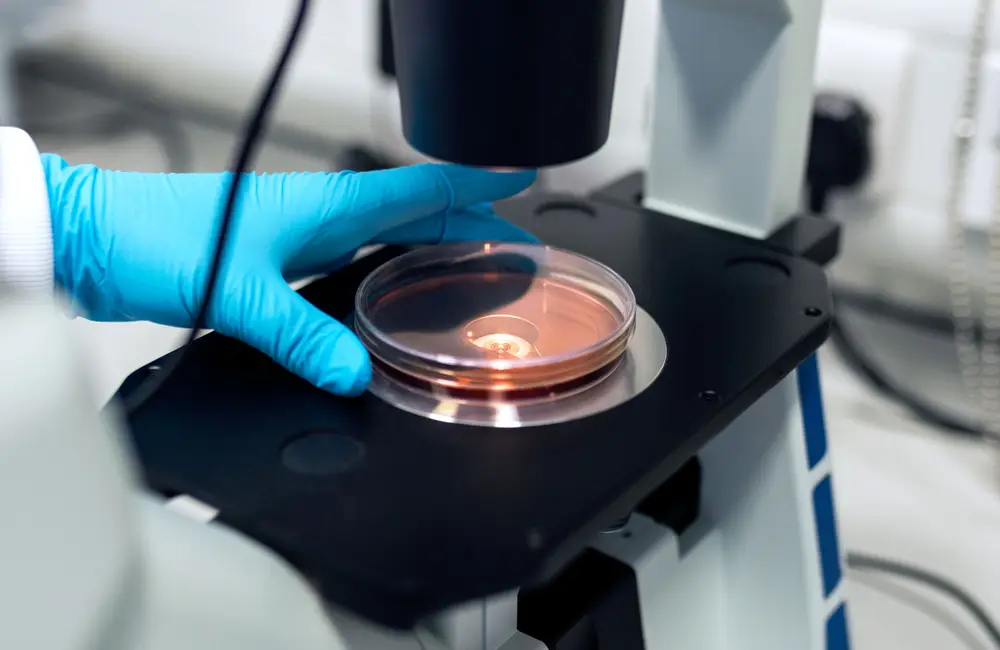
In 2024, NIST and University of Colorado Boulder researchers described plans to compare two breath samples taken around an hour apart. They wanted to investigate whether changes over time could better identify recent use. This was a research approach, rather than a finished universal impairment detector.
THC was detected in breath after edibles too
A collaboration between NIST and the University of Colorado Anschutz Medical Campus involved 29 people. Results published in July 2025 found a noticeable increase in breath THC after a cannabis gummy in 19 participants. Other participants’ levels did not rise or fell during monitoring.
This confirmed that breath THC need not come solely from smoke residue in the mouth or airways. It advanced measurement research, rather than proving that one number determines intoxication severity.
NIST researches measurement, rather than manufacturing a breathalyser replacement
NIST emphasised in its 2025 announcement that it was not developing a cannabis breathalyser itself. Its role is to support accurate, reliable measurements and scientifically grounded standards. Their relationship with impairment requires separate assessment.
It is therefore unjustified either to call all THC tests useless or promise a definite year when a universal impairment meter will be ready. What matters is understanding what each test measures.
Also read about the differences between THC, THCA and THCV.