Cannabis culture has shaped the reputation of several travel destinations, but cannabis tourism does not mean legal purchase or use everywhere. National rules differ, and tourists may not have access to local regulated supply channels.
We look at five destinations known internationally for cannabis culture and explain why tourism marketing is not a reliable guide to local law.
Updated on 5 November 2026: This article was originally published in 2024. Cannabis-related tourism does not mean that visitors can lawfully buy or use cannabis in every country described. Local laws and club rules differ substantially. For a more recent European comparison, see Eight European cities with a prominent cannabis culture.
Amsterdam, Netherlands: a pioneer of cannabis tourism
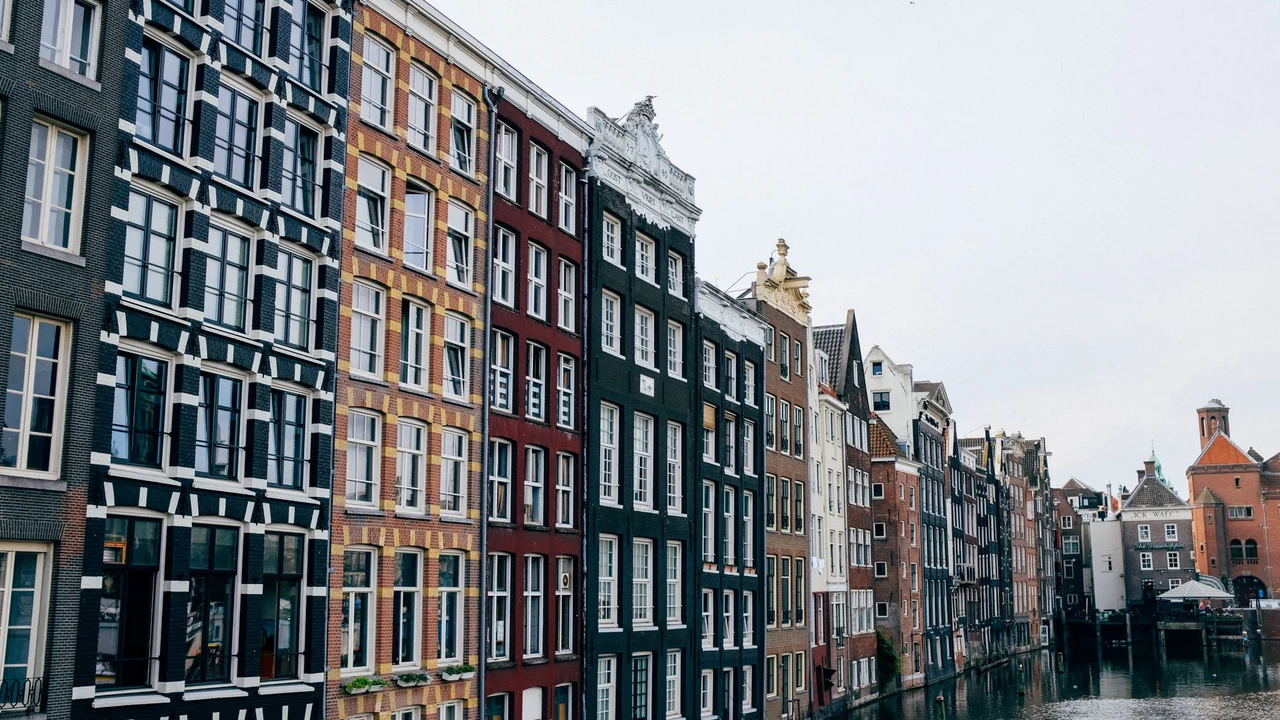
Amsterdam is one of the best-known destinations associated with cannabis culture. Its coffeeshops and long history of tolerance policies have shaped its international reputation.
Coffeeshops operate under local conditions, and public consumption may be restricted. Dutch tolerance policy does not mean that cannabis production and distribution are generally legalized.
Barcelona, Spain: private cannabis associations
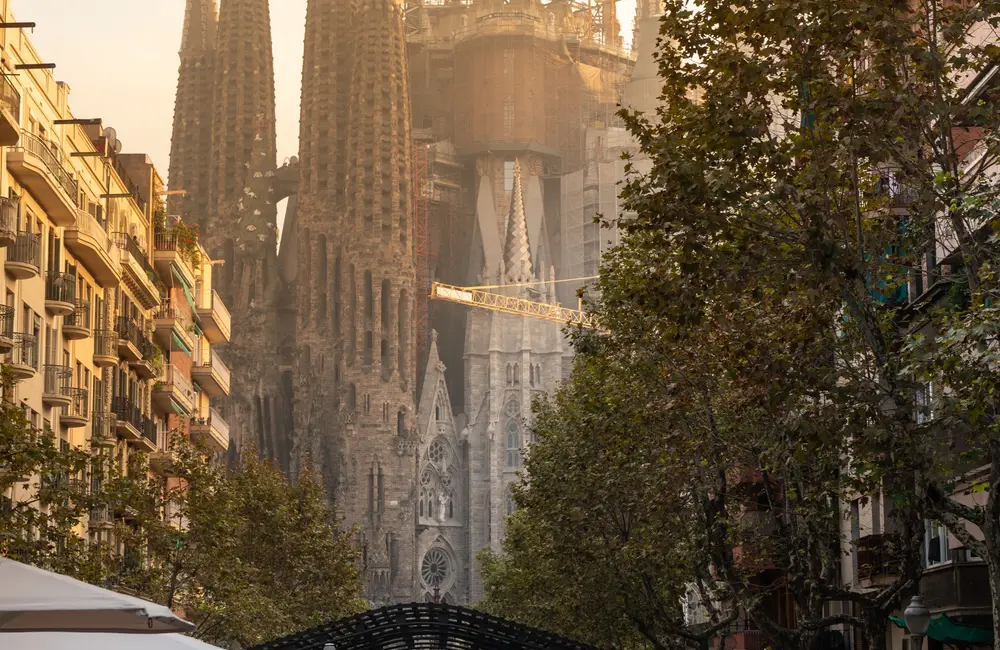
Barcelona has a long-established cannabis culture and various private membership associations. These are not equivalent to public retail shops: their legal position and access rules are complex and vary. Visitors should not assume that club membership automatically makes obtaining cannabis lawful.
Spain has not legalized general recreational cannabis retail. The European Union Drugs Agency notes that Spain’s Supreme Court has held that ongoing, organized cultivation and distribution through an association open to new members can constitute drug trafficking. Barcelona’s clubs should therefore be approached as a legally complex area. See our guide to Spain’s cannabis laws and EUDA’s overview.
Denver, United States: legalization and tourism
Denver, in Colorado, was among the early US destinations with a legal adult-use cannabis market. The regulated market has attracted visitors interested in cannabis shops, products and related events.
Colorado’s regulated market does not permit unrestricted use. Visitors must follow age requirements, public-consumption restrictions and federal law.
Montevideo, Uruguay: a national regulatory model
In 2013, Uruguay became the first country to establish a nationally regulated adult cannabis market. This makes Montevideo an interesting destination for people exploring changes in cannabis policy and culture. However, legalization does not mean tourists can freely buy cannabis from pharmacies.
Uruguay’s legal adult access routes require registration. According to its regulator IRCCA, registration is available to eligible Uruguayan citizens and permanent residents, rather than ordinary short-term tourists. Visitors can learn about the reform and culture without assuming access to residents’ purchasing system. Source: IRCCA registration requirements.
Jamaica: cannabis culture and reggae
Jamaica is known for beach holidays and its prominent place in international cannabis culture. Cannabis is closely associated with reggae music and aspects of local culture.
Reggae and Rastafari culture have helped shape Jamaica’s international image. These cultural connections do not create a right to buy or consume cannabis everywhere: the applicable restrictions need to be checked separately.
Overall, cannabis tourism takes several forms. Some destinations have regulated markets, while others are associated with private clubs or local tolerance policies. Travellers need to distinguish cultural interest from what local law permits.
Comparisons should also account for destinations where cannabis is strictly prohibited. In Bali and elsewhere in Indonesia, cannabis and CBD products are prohibited and can carry very severe penalties. Bali should therefore not be promoted as a cannabis tourism or cannabis retreat destination. Source: UK travel advice for Indonesia.
Check current official laws and travel advice before travelling.