

A six-year sentence for cannabis cultivation raises questions of proportionality. Assessing it requires the circumstances of the case, rather than plant numbers alone. The issue can be debated without assuming that another person’s release was secured through money or connections. Arguments about proportionality deserve verifiable facts and clear reasoning.
Editorial clarification, 15 November 2026: an earlier version compared alleged 2026 early-release decisions concerning Bruno Sternfeldt and Valeri Ramjalg. The original decisions could not be verified during editing. We removed conclusions based on that comparison and unsupported assumptions about motives. The article below concerns verified 2023 court information and general early-release principles.
What do we know about the Võrumaa grow?
On 20 October 2023, Tartu County Court announced convictions of 11 people in a plea-agreement case involving cultivation and sale in Võrumaa. The official announcement said Bruno Sternfeldt received six years of immediate imprisonment, counted from detention on 8 February 2023.
It described a substantial underground grow intended for sale. Reducing this to punishment for one home plant or a small personal amount would be inaccurate. The announcement also said the judgment was not yet final when published. That historical notice does not establish anyone’s current detention status.
Is six years a reasonable response?
420Eesti believes the sentence deserves critical discussion. Whether someone breached existing law is one question; whether that law and imprisonment best reduce harm is another. Answering the first does not end the second debate.
Policy debate should ask what long imprisonment achieves compared with regulation, prevention or other interventions. It should consider families and the prospect of returning to ordinary life after release. These social and political choices deserve justification even when a sentence is lawful.
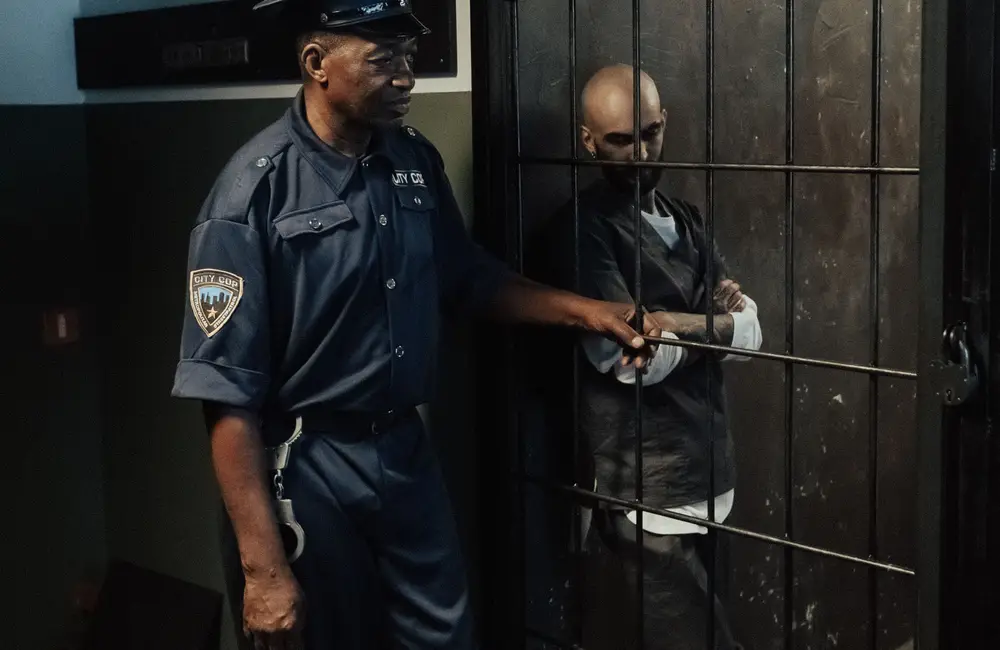
Early release depends on more than the offence label
The Prison Service explains that courts consider conduct in prison, the offence, reoffending risk and readiness to live lawfully, alongside time served and release preparations. Reaching an eligibility date does not guarantee release.
Conditional release can include probation, supervision and electronic monitoring. It does not erase the sentence. Refusal should likewise be justified by the individual’s circumstances.
Risk assessments need reasons in cannabis cases too
The Supreme Court’s February 2023 case-law overview stresses that prior convictions cannot be treated as a simple list. Their continuing relevance and connection to possible reoffending need assessment. A label cannot replace substantive consideration of a person and their situation.
Similarly, sentence lengths alone cannot establish which of two people should be released first. The facts and reasons in both decisions are needed. Different outcomes do not themselves prove corruption, although asking for explanations is reasonable.
Criticism does not require abandoning facts
Supporting less punitive cannabis sentencing does not require claiming every cannabis offence is identical or every severe decision malicious. A stronger question is whether the system achieves its aims and whether the same outcomes could be reached at lower human and social cost.
That is the debate 420Eesti considers necessary: when does imprisonment protect society, and when does it perpetuate overly punitive drug policy? Answers should rest on results and reasons rather than frightening labels.
For background, see our overview of Estonian cannabis laws.