
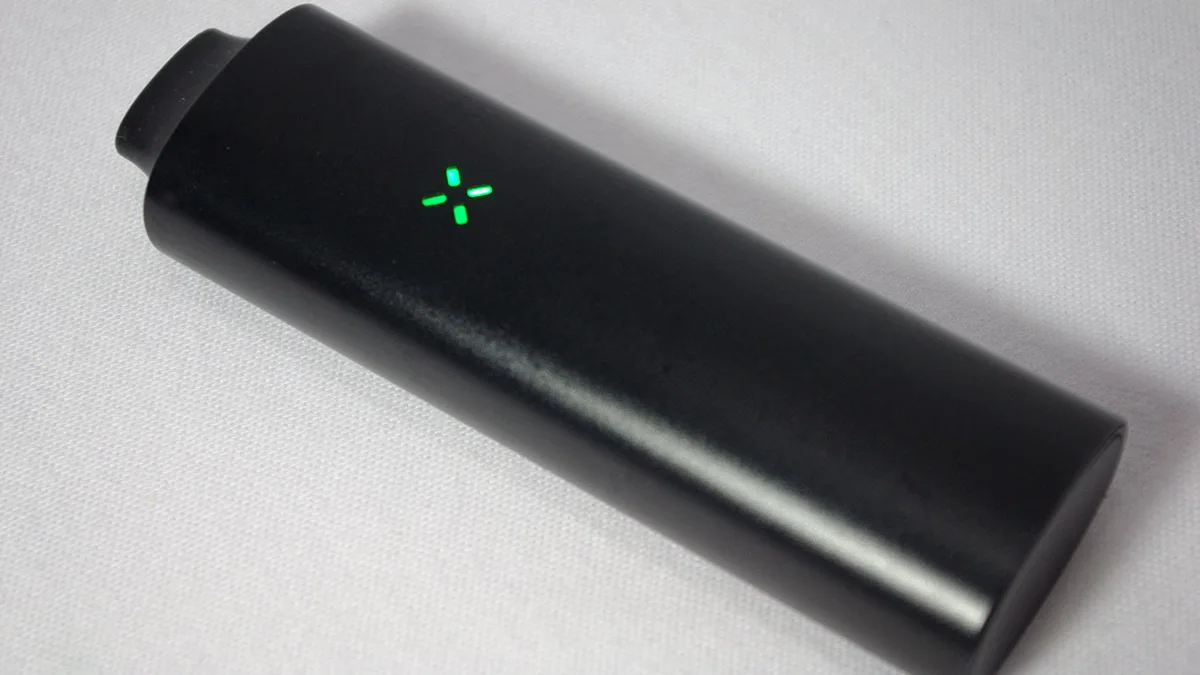
A dry herb vaporizer heats dried flower at a controlled temperature without burning it in the usual way. Whereas smoking produces combustion smoke, vaporization creates an inhalable aerosol from compounds released by heating.
Vaporizers have become more technically varied in recent years. Options range from simple mechanical devices and small battery-powered units to more complex desktop systems.
How do they actually differ? Does a higher price always mean better quality? What do convection and conduction mean in a product description? And what should you know about potential health risks?
This guide covers the main technical differences, strengths and drawbacks, and features worth understanding before choosing a device.
What is a dry herb vaporizer?
A dry herb vaporizer heats dried flower. Its main parts usually include a heating chamber, heat source, air path and mouthpiece. The principle is simple: heat releases volatile compounds from the material, while ordinary combustion is not the intended process.
This differs substantially from smoking. Combustion produces smoke containing numerous combustion products. With vaporization, the released compounds depend more on temperature, device design and the material used.
The aerosol is not simply water vapour. It can contain various chemical compounds and fine particles, so vaporization cannot be considered entirely risk-free.
A dry herb vaporizer should also be distinguished from an electronic cigarette. E-cigarettes usually heat liquids, while dry herb devices are designed for dried plant material. Dry herb devices are not automatically suitable for oils or concentrates either: use must follow the manufacturer’s intended purpose.
Electric or manual?
A fundamental technical difference is how a device generates heat.
Electric vaporizers
An electric vaporizer usually uses a battery-powered heating element. Temperature is controlled electronically, with different settings depending on the model.
These devices are usually portable and start heating at the press of a button. Some have a display; others use simple LED indicators.
Their main advantage is repeatable temperature control. They can generally maintain a setting more precisely than a manually heated system. Drawbacks include reliance on a battery, possible electronic failures and sometimes more complex maintenance or repair.
Manual vaporizers
A manual vaporizer does not necessarily need a battery or electronic temperature control. Heat comes from an external source, such as a dedicated torch or induction heater. Familiar examples include DynaVap-style devices, whose metal heating section signals temperature changes with a mechanical click.
Manual devices offer relatively simple construction. There is no onboard battery to charge and fewer electronic components to age. Heating results, however, depend more on the user’s skill. Excessive heating can overheat or even burn the material.
Neither approach is inherently better. Electric devices emphasise precision and automation; manual devices offer simpler mechanics and freedom from charging the device itself.
Conduction, convection and hybrid heating
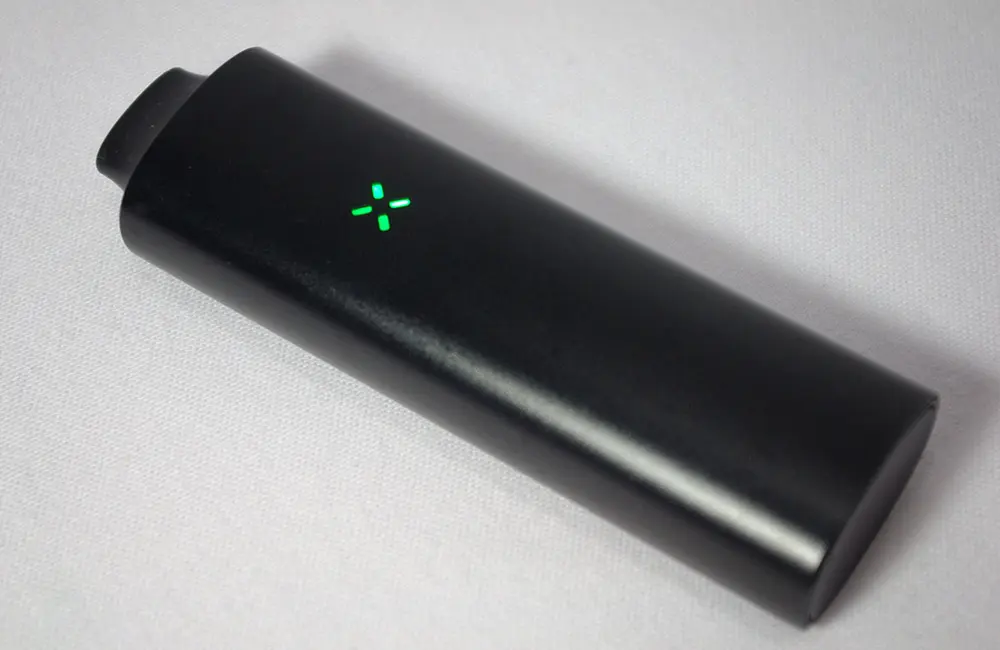
Technical descriptions often use three terms: conduction, convection and hybrid. They describe how heat reaches the material.
Conduction heating
In a conduction device, heat reaches the plant material mainly through the hot chamber walls.
Possible advantages include fast heat-up, compact dimensions and relatively simple construction.
Material may continue heating even when air is not being drawn through the device. Some designs can heat unevenly. Conduction is used in many smaller portable vaporizers.
Convection heating
A convection system heats the air passing through the plant material. Heat transfer therefore depends more on airflow than direct contact with hot chamber walls.
This can support more even heating and, in some devices, heat material mainly while air flows. Actual performance still depends on air path design, heater power and temperature control. The word convection alone does not guarantee a better result.
Hybrid heating
Hybrid systems combine conduction and convection. This common approach uses both the chamber’s heat and hot air flowing through it.
In practice, the boundaries are not absolute. Chamber walls can warm in convection devices, while airflow also affects conduction devices. Look beyond the label to the design and independent measurements.
Why does temperature control matter?
Temperature is a central parameter in vaporization. Operating ranges vary, but many electronic dry herb devices allow heating within roughly 160–220 °C.
Changing temperature affects which compounds are released, how quickly material heats and the aerosol’s composition. Differences are not limited to flavour or visible aerosol: higher temperatures may also increase emissions of some unwanted breakdown products.
A laboratory study presented at the 2024 European Respiratory Society congress examined carbonyl compounds released while vaporizing different plants. Emissions increased as temperature rose. This was an emissions experiment rather than a long-term health study, but it illustrates why temperature and heating conditions matter.
No single temperature suits every plant, device or situation. Stay within the manufacturer’s permitted range. A very high maximum temperature is not automatically a sign of quality.
Session and on-demand vaporizers
Devices also differ in how they manage heating during use.
Session devices
A session vaporizer keeps the chamber at operating temperature for a set period.
This approach is common in electronic portable devices. Heating begins when the session starts and ends after a specified time or when the device is switched off.
It offers a relatively consistent process, but material may continue heating during pauses.
On-demand devices
An on-demand vaporizer is designed to heat actively mainly during use or immediately beforehand.
Some use powerful hot-air systems that reach operating temperature quickly.
This allows short heating intervals but requires precise control and sufficient power. Manufacturers sometimes use these terms loosely, so check how the particular model actually works.
How important are the battery and charging?
An electric vaporizer’s convenience depends on more than its chamber: the battery matters too. Devices with built-in batteries can be compact, but battery ageing may eventually limit the life of the whole unit.
A replaceable-battery model may allow replacement at the end of the battery’s service life, if the manufacturer supports this. That can improve repairability. Lithium-ion batteries are not universally interchangeable: compatibility depends on dimensions, electrical specifications and manufacturer requirements.
USB-C is practical because many other electronics use it, but the connector alone says nothing about charging speed or battery quality. Check battery replacement, warranty terms, charging restrictions and spare parts before choosing a device.
Chamber size and airflow
Chamber capacity affects a device’s dimensions and heating behaviour. Smaller chambers support compact designs. Larger ones usually need more space and may influence heating uniformity.
Chamber materials also vary, including stainless steel and ceramic, sometimes with a special surface treatment. Materials must suit the intended temperatures and be approved by the manufacturer for that use.
Airflow is often overlooked. Narrow passages, dirty screens or complex cooling systems can increase draw resistance. The design determines how freely air passes through the chamber.
Two vaporizers with the same temperature setting and similar prices can therefore feel quite different to use.
Mouthpieces, cooling and materials
Pay attention to the air path as well. Mouthpieces may use glass, metal or heat-resistant polymers, which differ in durability, heat transfer and ease of cleaning.
Some devices have long or separately cooled air paths; others have a short route from chamber to mouthpiece. A longer or more complex cooling path does not automatically make a better device. It may cool the aerosol while making cleaning more demanding.
Good construction requires suitable materials wherever heat is involved and clear maintenance information from the manufacturer.
How much does price reflect quality?
Vaporizer prices can vary several-fold. Less expensive devices often use simpler controls and air paths. Higher-priced models may offer more precise temperature control, better repairability and more spare parts.
A high price alone does not prove greater safety or technical quality. Brand, design, production volume, warranty and extra features also affect price.
Ask what the extra cost buys: a removable battery, easier maintenance, better temperature control or appearance? A price tag alone cannot reliably rank technical quality.
Examples of familiar device designs
Several manufacturers illustrate different approaches. DynaVap is known for small manual metal vaporizers. The M7 and related models use external heating rather than a conventional built-in battery.
XMAX Starry illustrates compact electronic devices with electronic temperature control and conduction heating. WOLKENKRAFT ÄRiS is an example of a product family emphasising convection and a cleanable air path.
The DaVinci MIQRO-C combines a small portable body with a replaceable battery. PAX focuses on compact, minimalist electronic designs, while Storz & Bickel offers portable and desktop systems.
These are examples of different designs, rather than a tested ranking. Availability and specifications can change. A model’s manual, safety information and independent technical tests are more useful than brand recognition alone.
What are desktop vaporizers and ball vapes?
Not every vaporizer is designed for a pocket. Desktop systems often use mains electricity, allowing larger heaters, more extensive temperature control or separate air circulation.
One category is the ball vape: a system using specially designed heat-resistant balls to store and transfer heat as air passes through them.
The aim is high thermal capacity and rapid heat transfer. These systems are often larger, and components can become extremely hot. Burns are a particular concern with exposed heaters and high-temperature systems. They require stable placement and proper handling.
How important is cleaning?
Regular maintenance affects reliability and airflow. Plant particles and residues from released compounds can collect in air paths, screens and mouthpieces.
Over time, deposits can restrict airflow and affect operation. Before choosing a device, check which parts are removable and whether replacements are available.
Follow the manufacturer’s cleaning instructions carefully. Not all plastic, silicone or electronic parts can tolerate alcohol or immersion in water. For electric devices, also follow safety requirements concerning hot surfaces and batteries before maintenance.
Our article ‘Cannabis Accessories: 10 Common Items and Their Uses’ also discusses maintenance and storage of other accessories.
Is vaporization safer than smoking?
This important question needs a precise answer. Vaporization avoids ordinary combustion of plant material and may therefore reduce exposure to certain harmful combustion products.
A review published in Drug and Alcohol Review in 2024 found that cannabis vaporization risks vary substantially by product and device. The authors stressed that vaporizing dried plant material should not be equated with every other form of vaping.
Lower exposure to a toxic compound does not automatically translate into an equivalent reduction in long-term disease risk.
Vaporization can generate fine particles and, under some conditions, harmful breakdown products. Health risks also depend on the substance, its composition and frequency of use. Avoiding combustion does not eliminate risks from cannabis’s active compounds.
Calling vaporization safe is therefore scientifically inaccurate. It is more precise to discuss differences in exposure and the need to study long-term outcomes. Our article ‘Study: Cannabis and Tobacco Smoke May Affect Airways Differently’ examines related inhalation research.
What should you know about regulation in Estonia?
Different requirements can apply to vaporizing devices depending on their purpose, technical classification and marketing. Electronic cigarettes and certain tobacco-related products fall under Tobacco Act restrictions, with strict rules on advertising and distance selling.
A dry herb device’s exact legal classification depends on the product and intended use. Calling it a general vaporizer does not automatically exempt it from tobacco-related product rules. Owning a vaporizer also does not legalise the substance used with it.
Distinguish a device’s technical features, specific intended use and the legal status of the substance. Our article ‘Cannabis Legality in Estonia: Laws, Rules and Reality in 2026’ provides broader context.
Frequently asked questions
Are dry herb vaporizers and e-cigarettes the same?
No. Dry herb devices heat dried plant material; e-cigarettes generally use specially formulated liquids. Their construction and legal classification may differ.
Is conduction worse than convection?
Not necessarily. They are different heat-transfer methods. Reliability and quality depend much more on design, temperature control and materials.
Does a manual vaporizer need a battery?
Many manual devices do not need an onboard battery. They use an external heat source, although a separate induction heater may require electricity.
Does a wider temperature range mean a better device?
No. Very high temperatures can increase unwanted breakdown products. A suitable operating range and precise control matter more.
Does a vaporizer need regular maintenance?
Yes. Pay particular attention to the mouthpiece, air paths, screens and chamber, following the manufacturer’s instructions.
Is a more expensive vaporizer always safer?
No. Price is not a reliable safety indicator. Suitable materials, construction, clear safety instructions and trustworthy technical information matter more.
Is vaporization completely odourless?
No. Heated plant material can release noticeable aromatic compounds. Their strength and persistence depend on the material, temperature and surroundings.
Summary: which vaporizer should you choose?
Understanding technical differences matters more than choosing solely by price or brand.
Manual and electric devices use different heating arrangements. Conduction, convection and hybrid describe heat transfer. Session and on-demand describe heating timing.
Also consider battery replacement, airflow, chamber materials, maintenance and spare parts. Vaporization differs technically from smoking and can avoid some combustion-related exposure, but it is not risk-free. More independent research is needed into long-term health effects.
Assess the actual features, safety information and manufacturer documentation, rather than marketing promises alone.
Archive photograph: WeedPornDaily / original, CC BY 2.0. Cropped to 16:9 and optimised as WebP.