
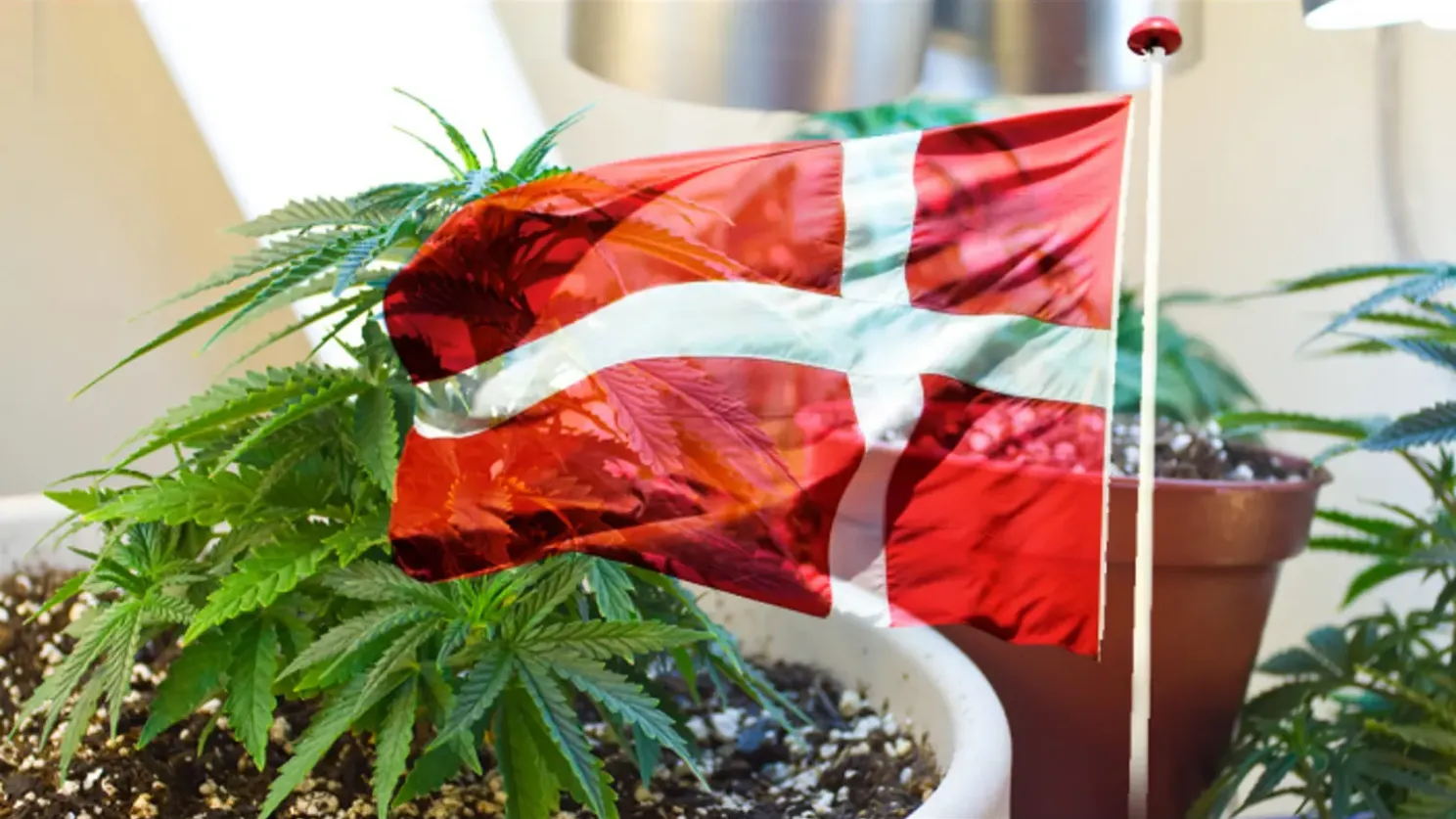
Updated 6 November 2026. Denmark’s medical cannabis pilot became permanent on 1 January 2026. Introduced in 2018, it allows doctors to prescribe specified cannabis products for some patients when conventional approved medicines have not helped enough. Access no longer depends on periodically extending a pilot.
Eight years from pilot to permanent framework
Denmark launched the pilot on 1 January 2018. Following extensions, the government and a broad parliamentary majority reached an agreement on 28 November 2024. The necessary amendment was adopted in 2025, and the permanent framework took effect on 1 January 2026.
Patients may continue doctor-prescribed treatment where appropriate after the former pilot ended. Official 2026 clinical guidance said approximately 5,800 people had received at least one prescription under the pilot, including around 2,400 who had used prescriptions at least four times.
Which patients was the option intended for?

The Danish Medicines Agency identifies possible indications including chronic and neuropathic pain, multiple sclerosis symptoms, pain or spasticity following spinal cord injury, and chemotherapy-related nausea and vomiting. The doctor assesses the individual and other treatment options.
Products in this programme do not have the same marketing authorisations as ordinary approved prescription medicines. A separate regulated system applies. Controlled access does not mean the efficacy of every available product has been established to the same standard.
Why does permanence matter?
For patients receiving cannabis treatment, continuity and legal certainty are the main changes. Someone who has found symptom relief under medical supervision no longer depends on a temporary programme’s expiry date. Denmark’s decision shows how cannabis-based treatment can form part of ordinary health policy rather than a short-term exception.
The medicines agency continues monitoring adverse effects and advising doctors. Permanence does not generally legalise recreational use; that is a separate issue. For comparison, see our guide to Estonian cannabis laws.
What does Denmark’s experience offer Estonia’s debate?
It illustrates how a state can maintain medicines oversight while reducing patients’ need to turn to uncertain sources. Public debate could focus on patients’ needs, clinicians’ working conditions and product quality without automatically stigmatising the entire subject.