

Sem Karlos Kolk was killed in Tallinn Prison on 22 June 2024. Harju County Court imposed an aggregate 15-year sentence on his cellmate Marek Madisoo on 16 December 2025. The case raised questions about how the state protects people in its custody.
What did coverage of the judgment establish?
According to ERR, Kolk’s body was found in a locked cell in the remand section. Kolk and Madisoo had been placed together in early June 2024. It is therefore inaccurate to describe Kolk’s situation at that time simply as serving an already imposed prison sentence.
Madisoo’s case involved 11 offences, so the aggregate 15-year sentence was not punishment for one act alone. ERR’s coverage said the court found him guilty of every offence charged.
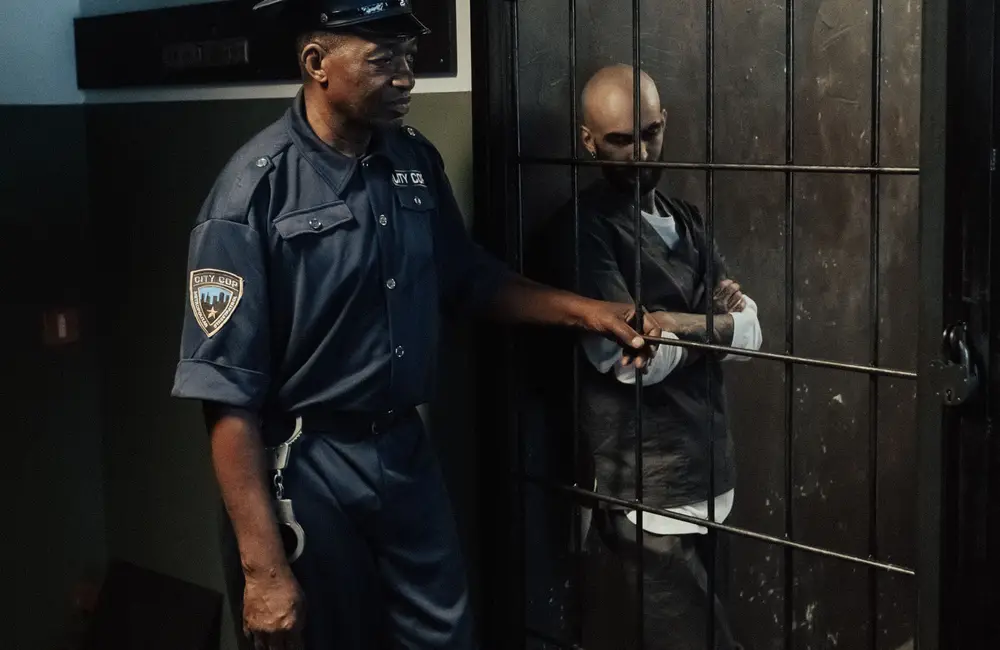
Compensation was ordered against the state and the killer
According to the Prison Service’s statement of 13 January 2026, the court ordered Madisoo and the Republic of Estonia to compensate Kolk’s relatives jointly and severally. Pecuniary damages were €3,121.71, while two relatives were each awarded €22,000 for non-pecuniary damage.
The Prison Service decided not to appeal, although it did not fully agree with the assessment of a causal connection between officers’ conduct and the killing. Its director cited the relatives’ loss and the cost of continued litigation among the reasons. The statement describes the service’s decision, rather than possible appeals by every party.
What lessons did the prison draw?
The Prison Service reported an internal review and changes to Tallinn Prison’s working arrangements. It said placement principles had been clarified and supervision strengthened.
420Eesti’s view: custody must not become a death sentence
A person’s earlier conduct does not reduce the state’s duty to keep them safe in prison. Debate about proportionate cannabis penalties must also consider the environment in which people are placed and how warning signs are handled.
Discussion of safety in custody needs accurate, verifiable facts. Reporting should distinguish judicial findings, agencies’ positions and public assessments.