
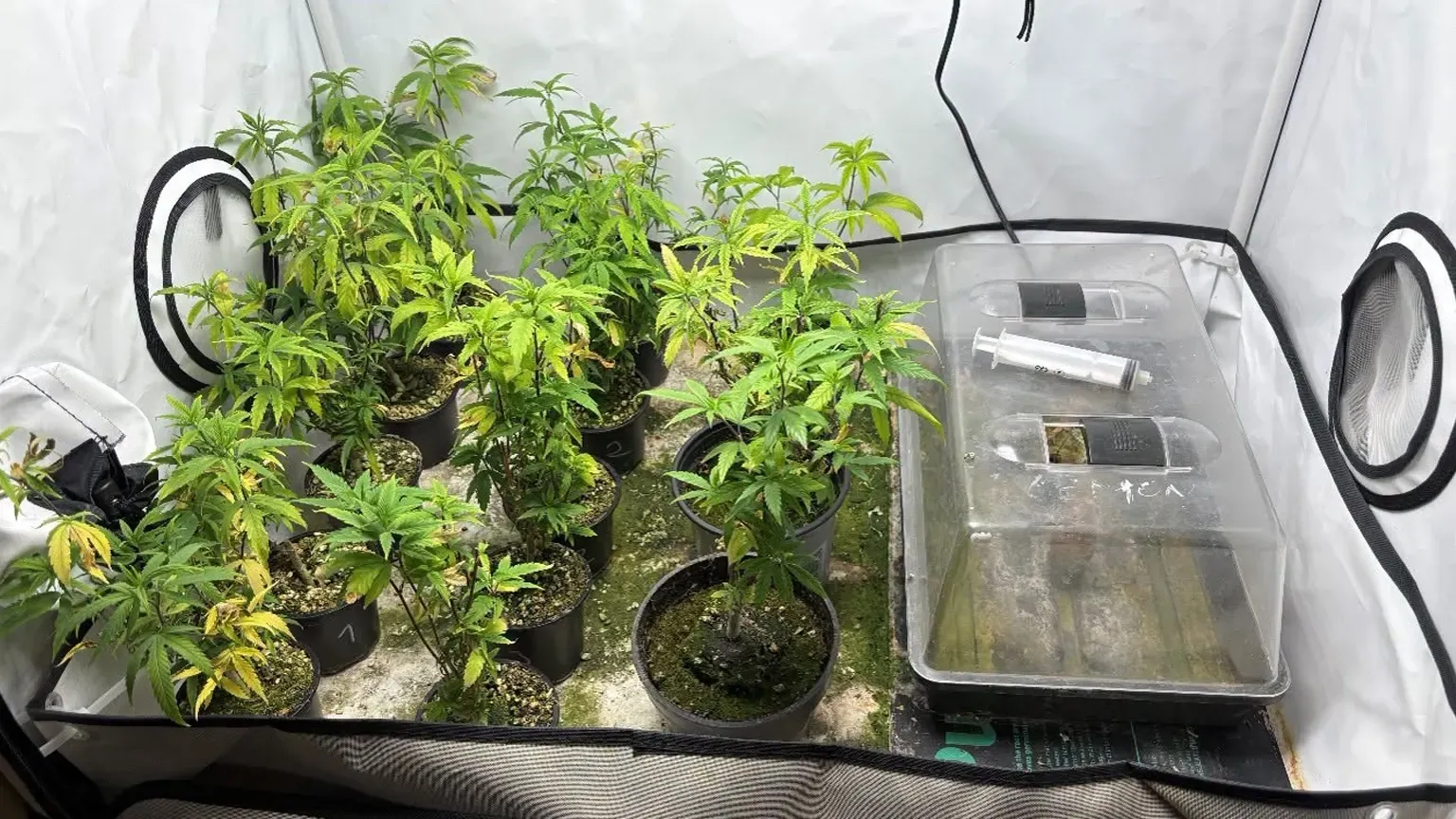
In July 2026, police found 21 growing cannabis plants and around 1.5 kilograms of prepared cannabis material in a flat in Tallinn’s Lasnamäe district. A 37-year-old man was detained as a suspect. Detention does not amount to a conviction. Võrumaa Teataja reported the case on 14 July, citing police and prosecutors.
Police had received a tip about a cannabis smell coming from an apartment building. The flat contained five tents used for growing and drying, fertilisers and small quantities of other narcotic substances.
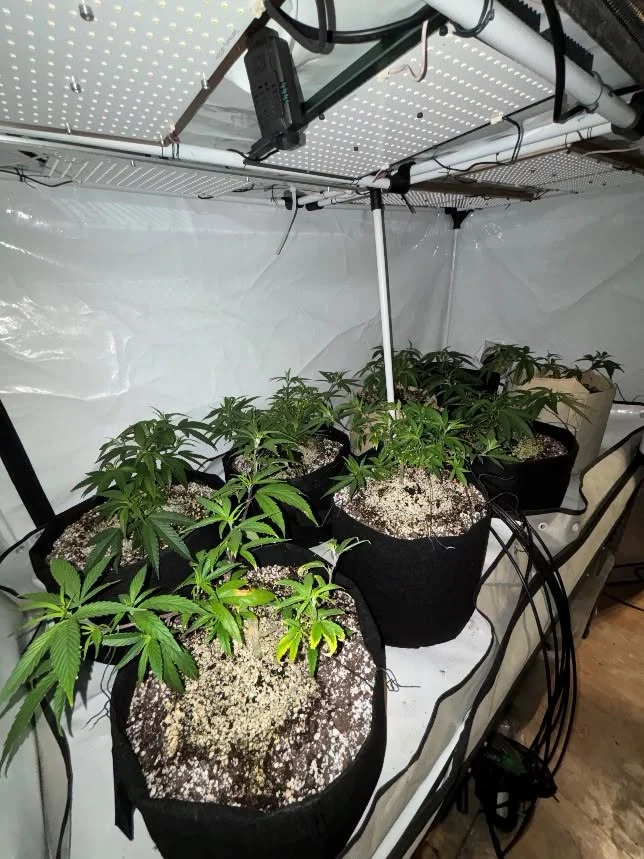
Police suspected cultivation for sale
Artur Kamnerov, head of the North Prefecture’s narcotics and organised crime unit, said the equipment suggested an operation established for profit. This was the investigating authority’s assessment underlying a suspicion, rather than a conviction cited in the article.
The man, who had no previous criminal convictions, was remanded in custody at prosecutors’ request. According to the report, prosecutors and the court considered the risk of continued offending significant. Remand is a procedural measure, rather than a sentence.
Officials estimated potential sales revenue of more than €30,000 and a quantity sufficient to intoxicate around 2,000 people. These are official estimates, rather than proven revenue or evidence that cannabis was sold to that many people.
Cannabis policy can be debated while proceedings continue
In 420Eesti’s view, the proportionality of cannabis-related punishments and the possible effects of a regulated market merit debate. In this case, however, facts being examined in proceedings must be distinguished from broader political positions. Individual social media comments do not establish what the public as a whole thinks.