
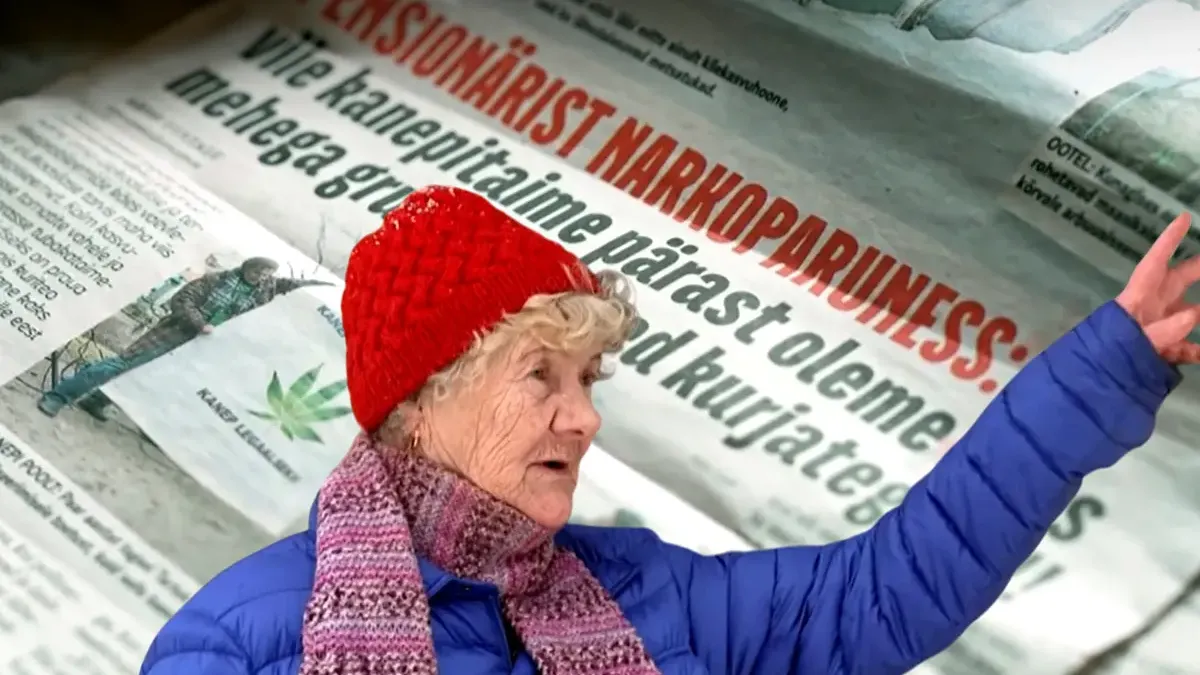
In January 2026, ETV’s Impulss revisited a retired couple from Jõgeva County whose five cannabis plants had led to three-year suspended prison sentences. Police searched their home on 6 August 2015. The programme examined a case from years earlier, rather than a growing operation discovered in 2026.
From greenhouse to criminal case
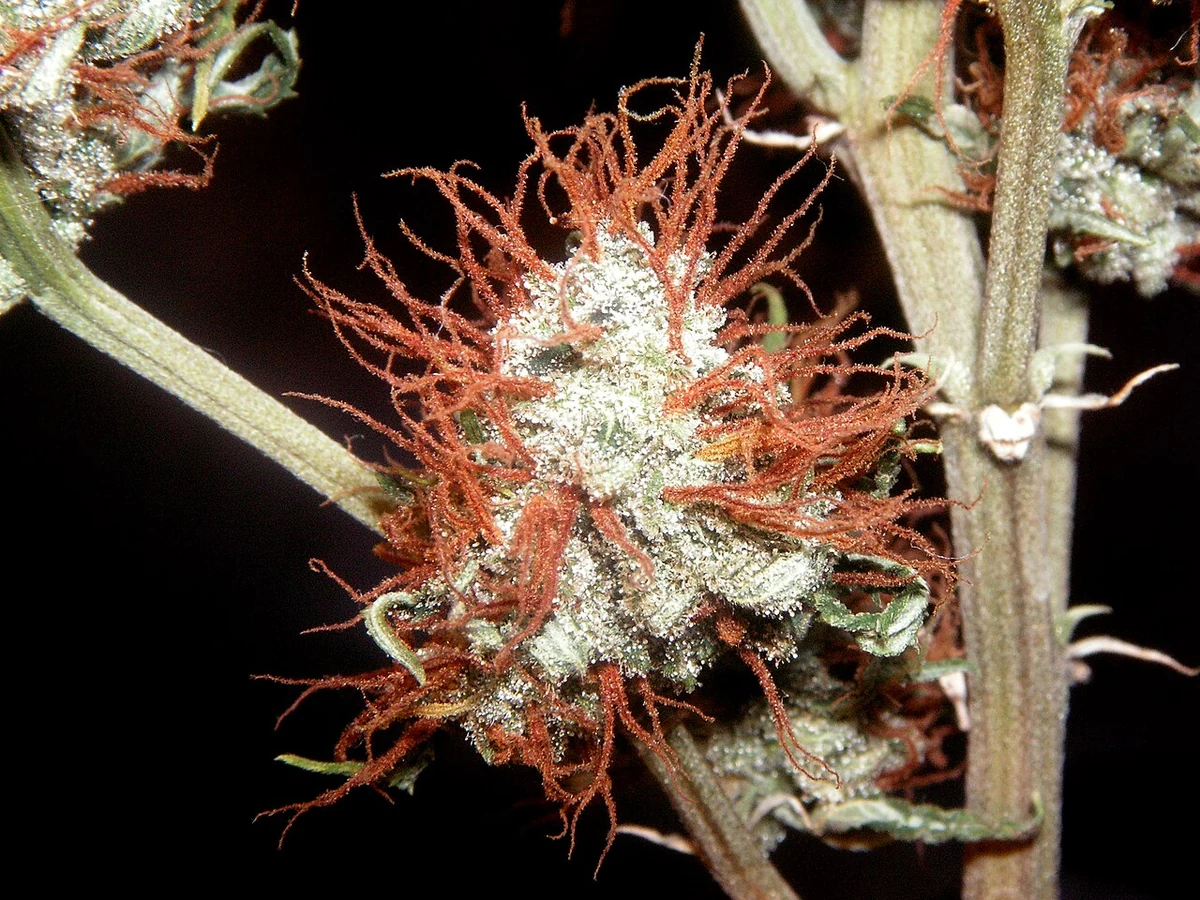
In ERR’s coverage, Valve Raska said she had grown three plants in a greenhouse and two in a garden bed. She said the experiment began with seeds found in bird food. The couple had also tried cannabis, and dried plant material was found at their home.
Raska said they had neither offered nor sold cannabis to anyone. This is her account in the programme, rather than a finding from a court judgment independently verified in this article.
Suspended sentences and a financial burden
According to ERR, the couple were not sent to serve their sentences in prison: each received a three-year suspended sentence. Additional financial obligations of several thousand euros were a heavy burden given their small income. Raska said volunteers from MTÜ Ravikanep helped them.
The programme coverage does not distinguish the legal basis of every financial obligation. The entire amount therefore cannot accurately be described as a court fine, nor can a suspended sentence be equated with three years actually spent in prison.
What does the case say about proportional punishment?
In 420Eesti’s view, the case deserves a substantive debate: does criminalising personal cultivation reduce harm, and is a punishment’s actual impact proportionate to the conduct and circumstances? A small retirement income also makes the same financial obligation affect someone very differently from a wealthier person.
Drug policy changes discussed in the programme should not be treated as enacted law. Our guide to Estonian cannabis laws explains the current framework.