
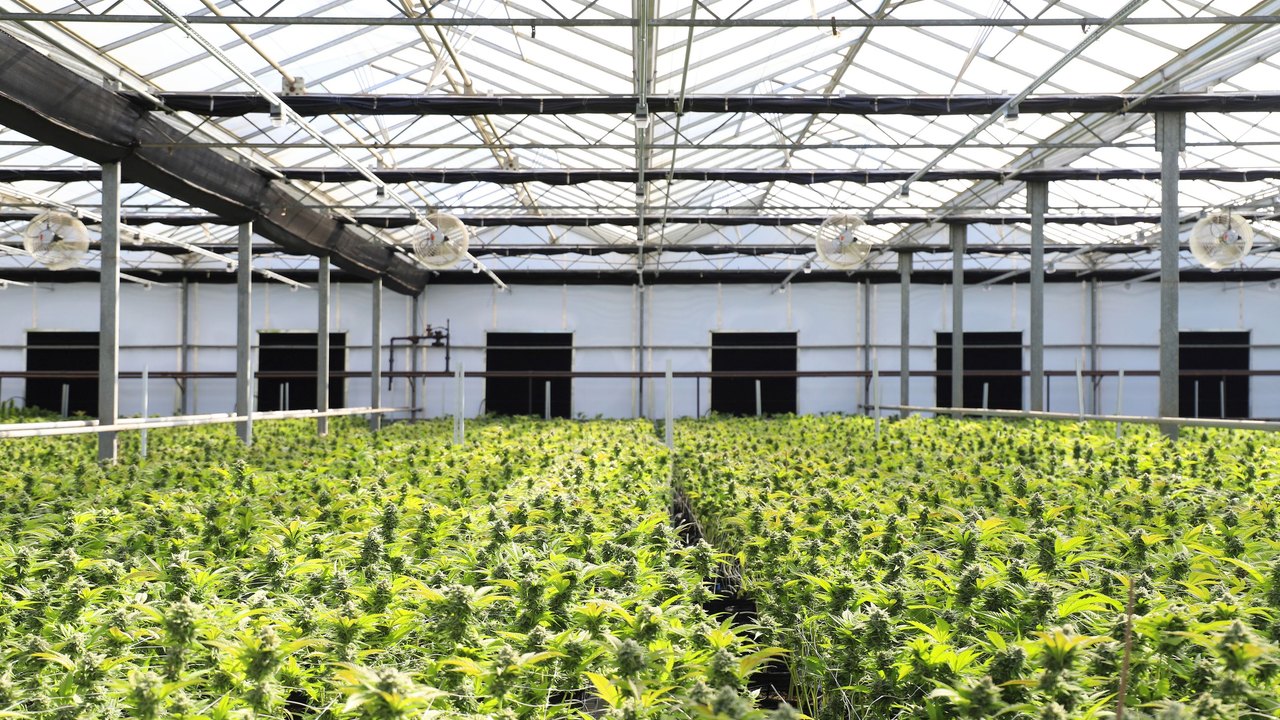
US cannabis operators have found a surprising possible second life for indoor growing facilities: some are exploring whether former cultivation buildings could be turned into small AI data centers. Falling wholesale cannabis prices and the AI sector’s demand for power and cooling are driving the idea. The proposals are real, but a widely discussed Michigan property is still a potential development site, not a completed AI computing center.
From growing plants to cooling computers
Indoor cannabis cultivation requires powerful lighting, ventilation, temperature and humidity control, plus significant electrical capacity. Data centers also need substantial electricity, cooling systems and reliable connectivity. An existing cultivation building may therefore provide useful infrastructure when operators consider a new computing site.
That does not mean server racks can simply be wheeled in after removing grow lights. The reliability, cooling, networking and electricity requirements are different, while permits, operating costs and local planning rules can become significant obstacles.
An Arizona entrepreneur proposes a network of smaller data centers
In November, former cannabis operator Moe Asnani told Arizona Public Media that he is exploring smaller data-processing sites inside former grow facilities. Having spent more than a decade in cannabis, he has seen oversupply and falling prices make growing less attractive for many Arizona businesses.
Rather than a giant new server campus, Asnani envisages a distributed network of smaller facilities serving businesses and local users. AZPM reported that he was still at an early stage, working to persuade officials and communities of the concept. There is no basis for presenting his idea as an already operating network.
A real Michigan cultivation property is being marketed to data center buyers
The most concrete example is Harbor Farmz in Kalamazoo, Michigan, where a roughly 3,050-square-meter cultivation and processing property has been marketed for data center use. Reports point to its existing electricity, water, climate-control and connectivity infrastructure.
November technology coverage described roughly 1.5 megawatts of electrical capacity and potential expansion to as much as 15 megawatts in the longer term, subject to investment and utility upgrades. Such figures are development potential, not evidence that AI servers are already running at that scale.
The crucial qualification comes from the City of Kalamazoo. As of June 2026, the city had received no formal data-center development proposal and approved no such project for the site. Officials indicated the use could fit the existing industrial zoning, but a real proposal would still face site-plan review and other applicable requirements.
A further obstacle emerged later in 2026: Kalamazoo introduced a moratorium on accepting or processing new applications for data centers in August and incorporated the restriction into its city regulations in the autumn. Under the current rule, the pause remains in effect until 5 October 2027, unless replacement regulations take effect earlier. Harbor Farmz’s marketing proposal therefore must not be confused with an approved data center development. The moratorium concerns the acceptance and processing of new project applications.
Why the conversion might not be a quick money-maker
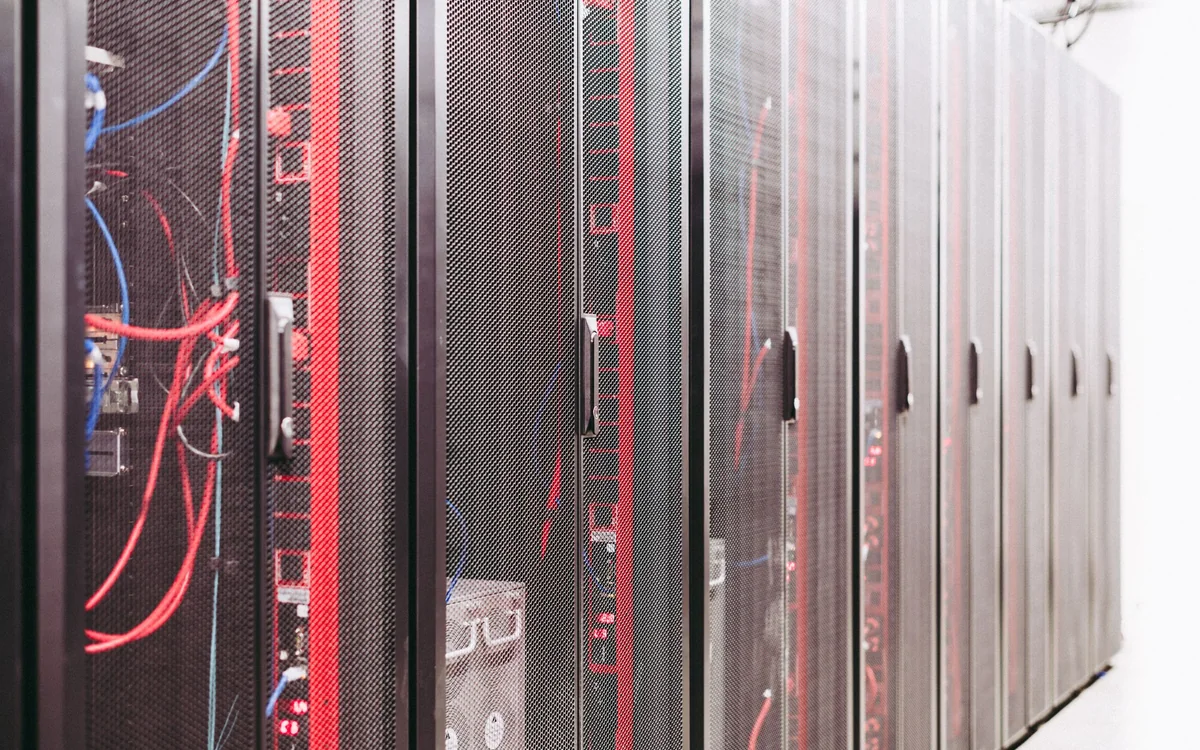
Electricity is only one part of a data center. AI computing hardware can demand more power than an existing grow facility supplies, with upgrades potentially taking years. Fiber-optic access, cooling design, construction costs, local opposition and tax rules matter too. A smaller data center may also face higher costs per unit of computing capacity.
David Ebert, the University of Arizona’s chief AI and data-science officer, cautioned AZPM that smaller centers are not necessarily more energy-efficient than large operators. Hyperscale facilities can spread cooling and computing workloads across many customers and systems.
Two industries, very different markets
Oversupply and intense competition have squeezed growers in some US states while AI companies search for sites with electricity and cooling capacity. That overlap explains why an old cannabis property can suddenly look interesting to a very different industry.
Cannabis markets do not all move in the same direction. We have previously covered how Germany’s medical cannabis imports grew strongly in 2025, illustrating the difference between market segments and countries.
Bottom line: reusing a cannabis facility as an AI data center is an intriguing business prospect, not evidence of a completed industry-wide conversion. Kalamazoo shows how existing infrastructure can become a selling point, but financing, permissions and an actual operator still have to come together.
The featured photograph shows a real cannabis growing facility in California (Cannafornia / Pexels), not the Harbor Farmz property in Michigan. It has been cropped to a 16:9 frame. The Pexels License allows use without public attribution.
Sources
- Arizona Public Media, 9 November 2026: Asnani’s proposal and independent expert commentary
- TechRadar, 17 November 2026: Cannabis facilities as potential data center sites
- News Channel 3 / WWMT, 16 June 2026: Kalamazoo city officials clarify approval status
- MJBizDaily, 2026: Harbor Farmz property and cannabis real-estate market
- City of Kalamazoo, 17 August 2026: decision to pause data center applications
- Current Kalamazoo city ordinance: moratorium through 5 October 2027 or earlier rule change